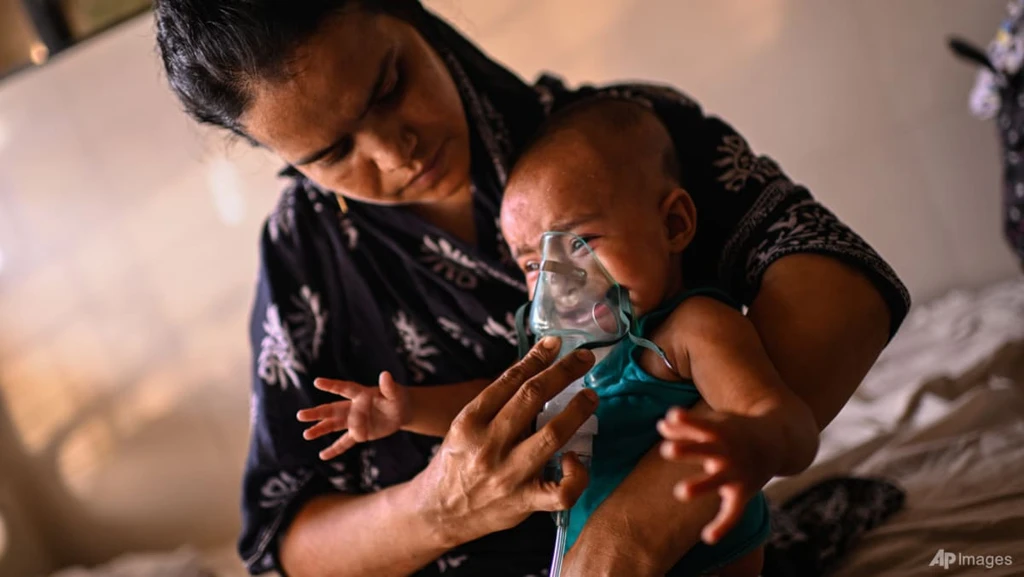
A mother administers a nebuliser treatment for her child suffering from measles in Dhaka, Bangladesh, Apr 6, 2026, amid a countrywide outbreak. (AP Photo/Mahmud Hossain Opu)
A deadly double standard in global health: In May, the Andes hantavirus and Bundibugyo Ebola grabbed headlines-yet a measles outbreak in Bangladesh has killed more than 500 children in just two months, with far less attention.
Bangladesh is facing one of its worst measles outbreaks in decades: over 78,000 suspected or confirmed cases. Most victims are unvaccinated children under five. Measles remains the leading cause of vaccine-preventable child deaths worldwide.
By contrast, the Andes virus outbreak on a polar cruise ship has caused 13 cases and 3 deaths. The Ebola outbreak in the Democratic Republic of the Congo and Uganda has more than 1,000 cases and 220 deaths.
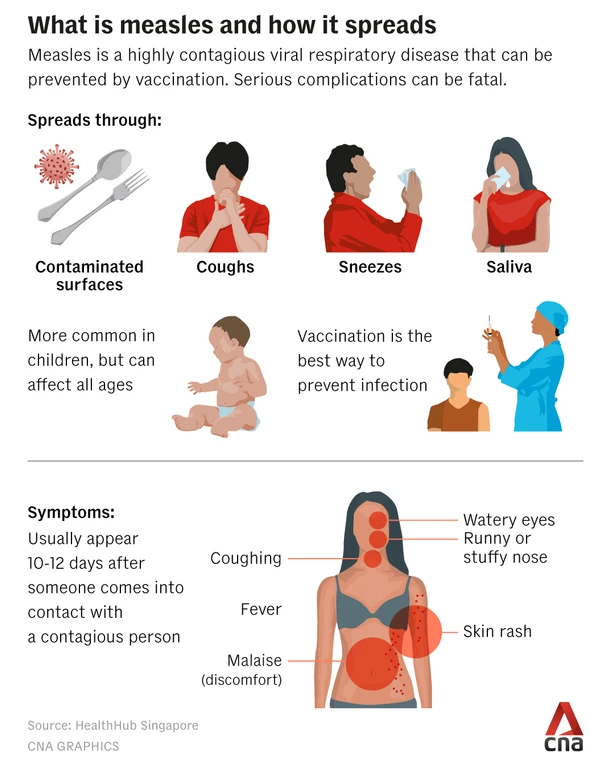
Why the imbalance? Unfamiliar, deadly diseases command more public and media attention. After COVID-19, every outbreak is viewed through the lens of pandemic potential.
The mismatch has real costs: alert fatigue, misinformation, and misallocation of resources. International health aid for prevention and response has grown, while basic primary healthcare funding has shrunk.
Dr. Hsu Li Yang, director of the Asia Centre for Health Security at the National University of Singapore, argues against treating pandemic preparedness as a separate vertical agenda. True resilience, he says, comes from steady investment in primary care, public health systems, and a trained workforce.
The challenge for experts and media: communicate measured risks, express uncertainty when science is unclear, and maintain focus on preventable but familiar diseases like measles.