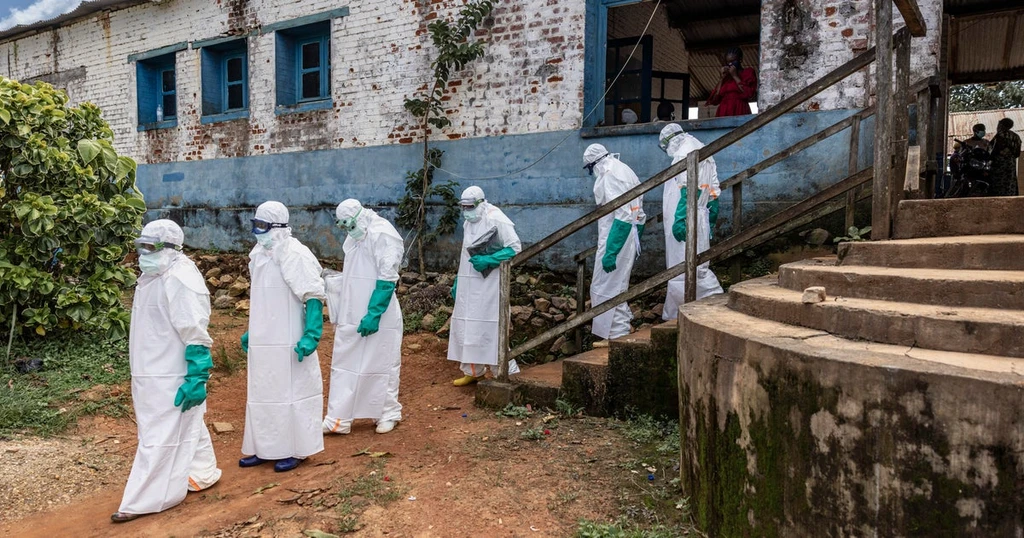
Ugandan health authorities confirmed two new Ebola cases Monday, bringing the total infections to seven, all linked to the outbreak in the neighboring Democratic Republic of Congo where suspected cases have surpassed 900.
The index case was a 59-year-old Congolese man admitted to a hospital in Kampala on May 11, who died three days later before Ebola was diagnosed. Two other Congolese nationals later tested positive after seeking care in Uganda. Local infections now include a driver and two health workers exposed to the deceased patient.
In Congo, the outbreak centered in eastern Ituri province has seen over 100 confirmed cases. The World Health Organization has declared this a public health emergency of international concern. The Bundibugyo type of Ebola has no approved vaccine or treatment, though Oxford scientists aim to start clinical trials within two to three months.
Response efforts are severely hampered by community distrust and violence. On Sunday evening, armed young men stormed Mongbwalu General Hospital, forcing evacuation of Ebola patients amid gunfire. This was the third attack on healthcare facilities in a week. On Saturday, residents attacked and set fire to a Doctors Without Borders treatment tent, leaving 18 suspected cases unaccounted for. Earlier, a treatment center in Rwampara was burned down after family members were barred from retrieving a body.
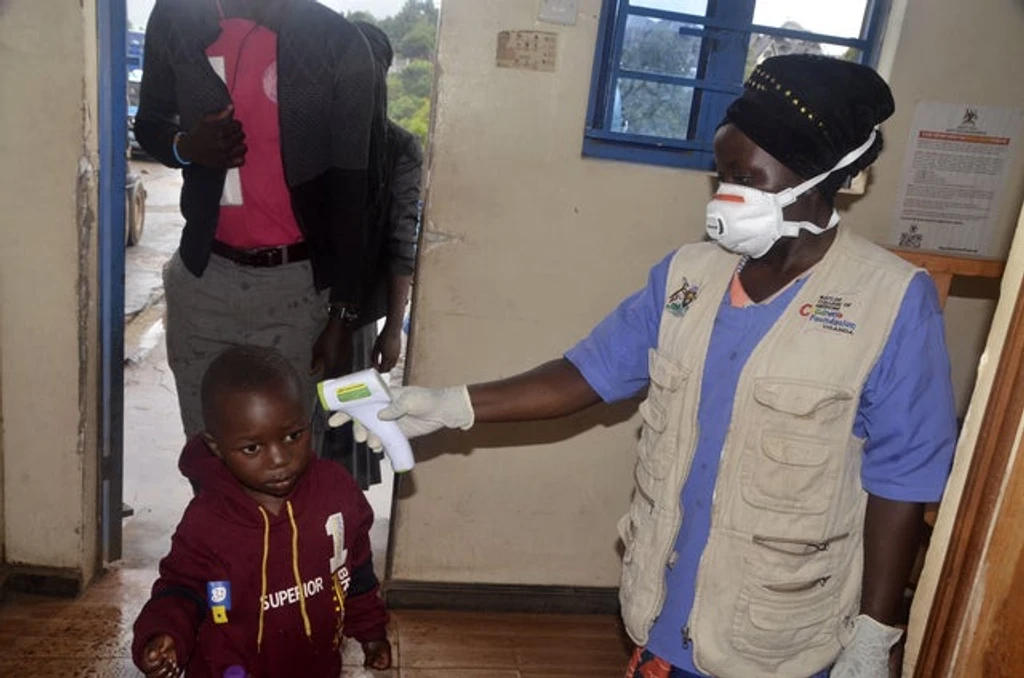
Congolese authorities have mandated that burial of suspected Ebola victims be handled by officials, sparking protests. Funerals and gatherings of over 50 people are banned in northeastern Congo. The International Federation of Red Cross reported three of its volunteers died from the outbreak, likely contracting the virus on March 27, which would push back the outbreak's timeline significantly.