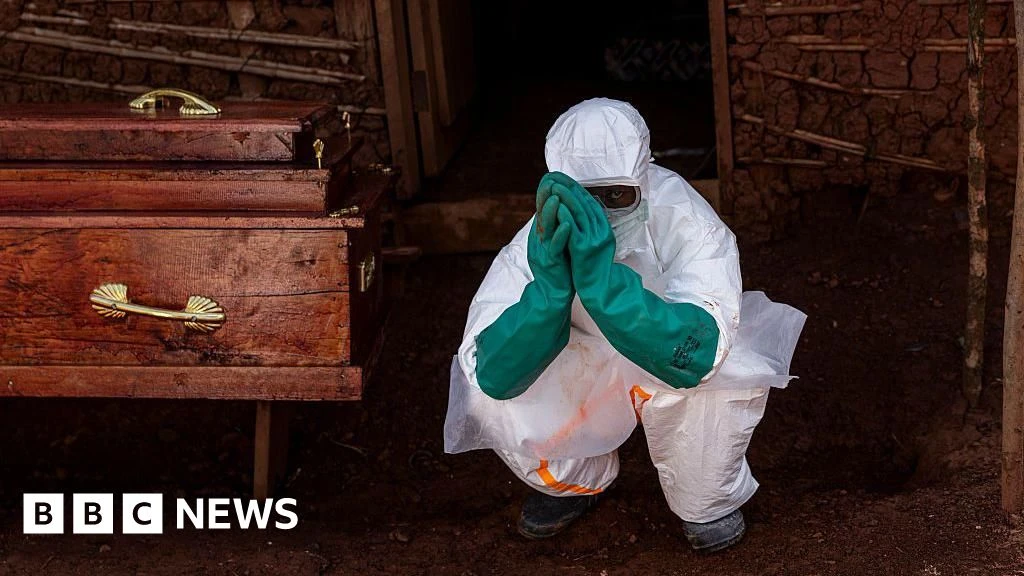
Health workers in eastern Democratic Republic of Congo are racing to contain a rising Ebola outbreak, balancing patient care with personal safety.
All suspected and confirmed patients are isolated. Medical staff wear full personal protective equipment. One key tool is the Cube, a transparent treatment unit developed by Alima after the 2014-2016 West Africa outbreak. It lets doctors treat patients via attached gloves without full PPE.
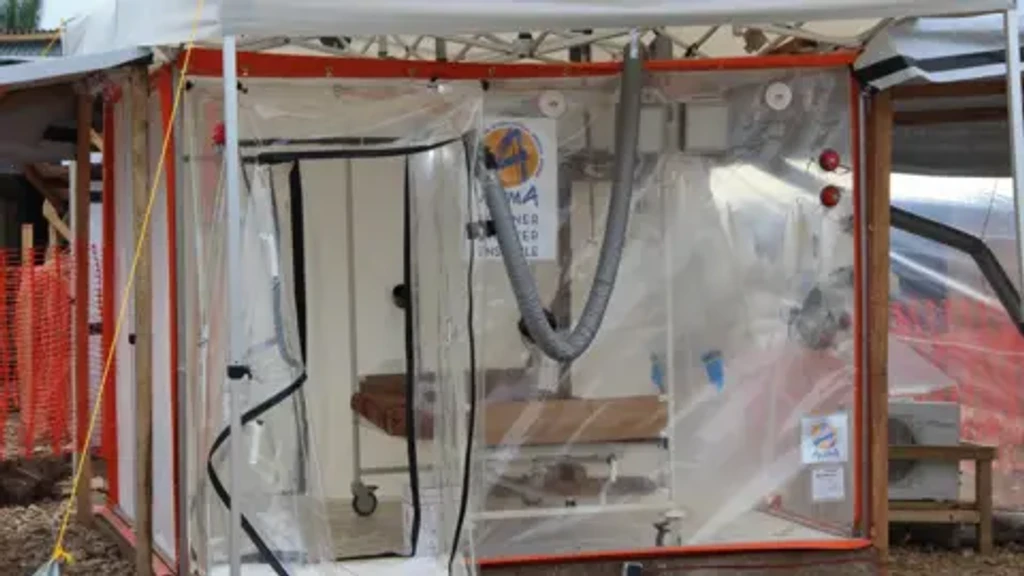
Two Cubes arrived in Bunia, Ituri's capital, this weekend; two more are en route. But shortages persist. The International Council of Nurses warns of PPE scarcity, leaving nurses scared for their safety.
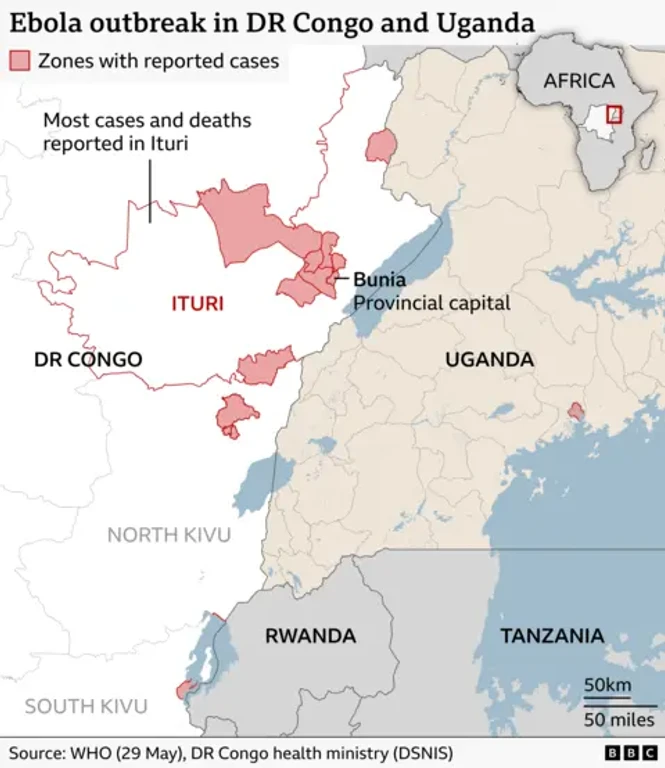
The virus spreads through bodily fluids. Early symptoms-headache, fever, weakness-mimic malaria and typhoid. Later signs include bleeding. Cases have spread from Ituri to North and South Kivu and into Uganda.
Testing delays hinder response. Unlike the Zaire species, this Bundibugyo strain lacks approved drugs; patients receive supportive care: oxygen, IV fluids, symptom management.
MSF's Dr. Armand Sprecher says without a clear transmission map, health workers operate blindly. They rely on a buddy system to avoid contamination, but mobility is limited by heat-PPE use is capped at one hour.
Sixteen health workers have contracted Ebola. Alima's Dr. Papys Lame admits psychological toll: “We lose patients… we are human, so naturally we are afraid.”
Ongoing conflict compounds the crisis. WHO chief Tedros Adhanom Ghebreyesus calls Ituri a “catastrophic collision of disease and conflict.” Armed groups, including M23, control large areas. Some aid agencies, including Alima and MSF, maintain access in rebel-held zones.
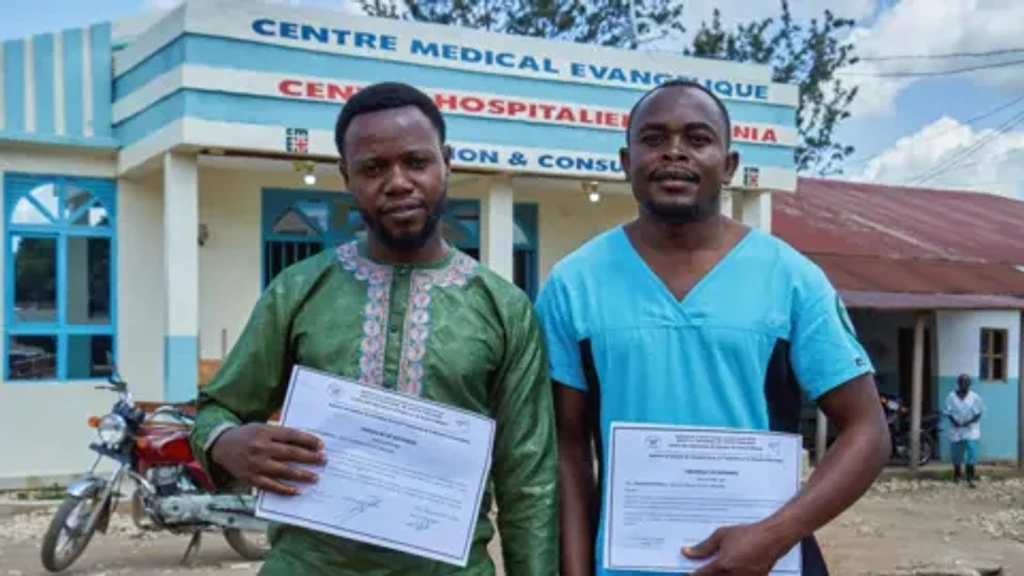
Amid the crisis, two nurses recently recovered, underscoring the human stakes in this ongoing battle.