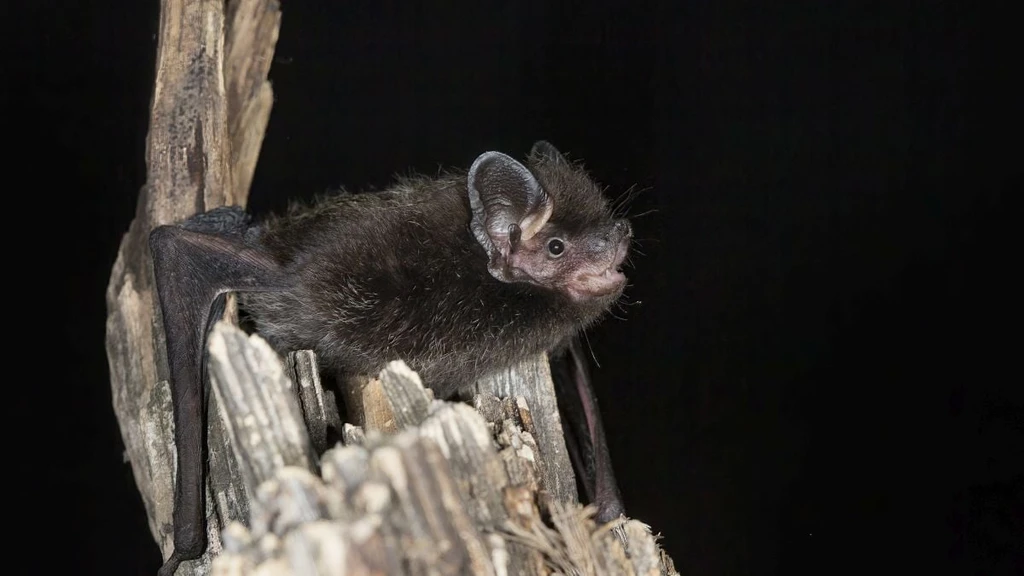
An 11-year-old boy in Ontario, Canada, has died from rabies after direct contact with a bat, marking the province's first locally acquired case since 1967. The child woke with a bat on his face but had no visible wounds. His parents did not seek medical care. Nineteen days later, he developed numbness, vomiting, and pain. Rabies was diagnosed. Once symptoms appear, the disease is almost always fatal.
The case highlights a critical public health warning. Bats pose a unique risk because bites or scratches can be tiny and go unnoticed. The boy's medical team urges that any direct human contact with a bat, even without a visible wound, requires immediate medical consultation and possible post-exposure prophylaxis (PEP).
Rabies is a viral disease that attacks the nervous system. In North America, bats are the leading source of human infection. The virus has an unpredictable incubation period. Initial symptoms like tingling and fever can mimic other illnesses before progressing to severe neurological decline.
The boy's case was published in the Canadian Medical Association Journal to raise awareness. Doctors state that simply finding a bat in a room is not grounds for PEP, but if contact cannot be ruled out, the bat should be captured and tested. The incident underscores the necessity of immediate action following any potential bat exposure.