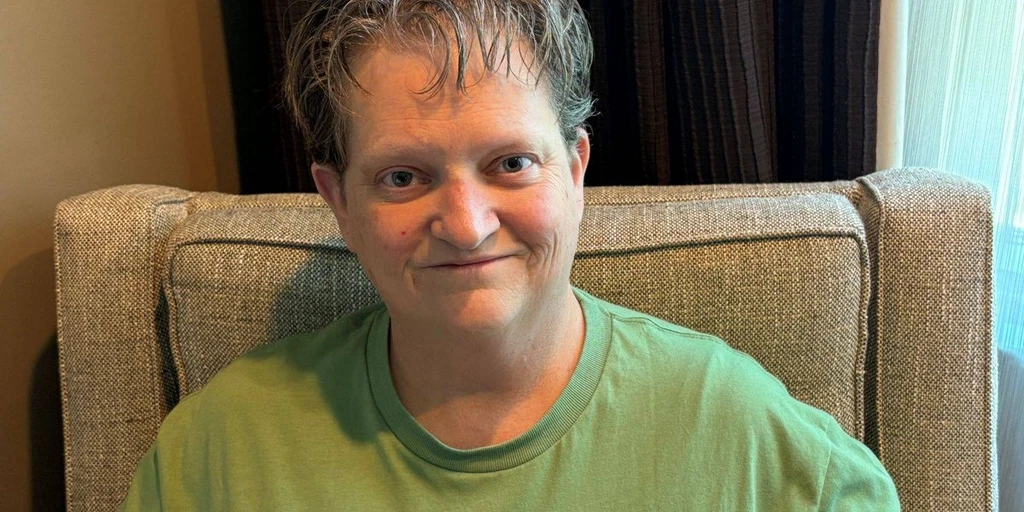
An unexplained swollen stomach led to a shocking emergency room diagnosis: a rare granulosa cell tumor. Immediate surgery was followed by aggressive chemotherapy. The treatment proved nearly fatal, causing severe infections and weight loss that forced an early stop. Yet, tests revealed no evidence of disease.
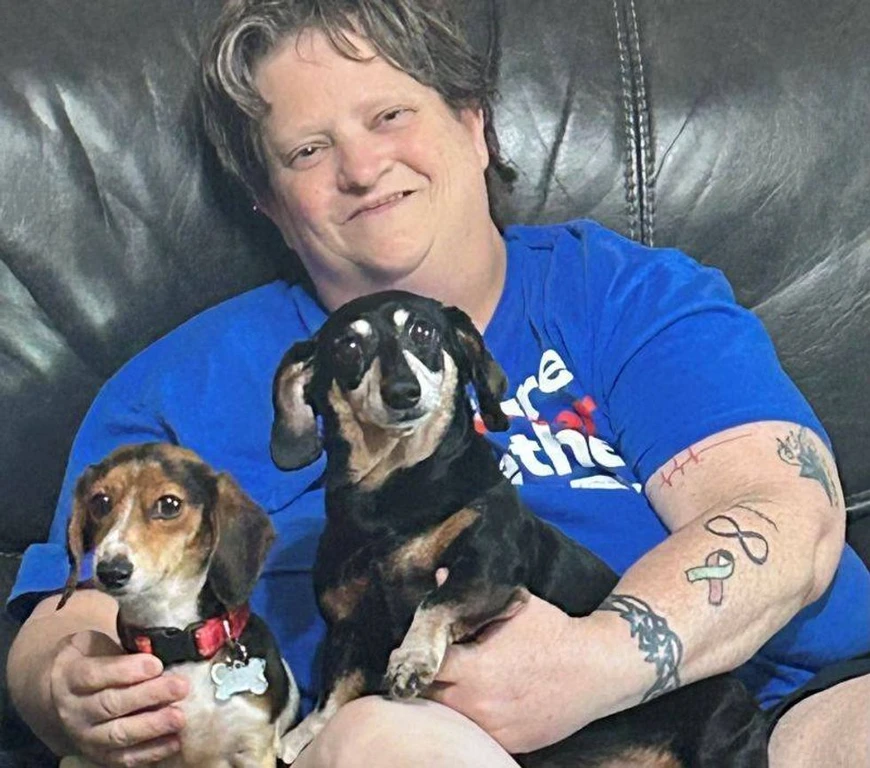
Eight years later, elevated CA-125 levels signaled a potential return. The oncologist dismissed the numbers, refusing a CT scan. Only after a dermatologist intervened-seeing unrelated bumps as a systemic warning-was imaging ordered. The scan revealed a cluster of tumors.
It was a pivotal moment of self-realization. After surgery and a milder round of chemotherapy, peace was fleeting. Three years later, the cancer antigen marker spiked again, and a new oncologist again dismissed the data due to a lack of physical symptoms. This time, she stood firm and demanded a scan, which uncovered ten tumors on the stomach lining.
Seeking confidence, she pursued a second opinion from a specialized oncologist in San Diego. Financial barriers were dismantled through nonprofit aid covering travel and lodging. The specialist validated her treatment path, providing the assurance needed to proceed. Back in Texas, surgery succeeded without the need for further chemotherapy. Today, she maintains vigilant monitoring and an unbreakable vow to protect her body on her own terms.