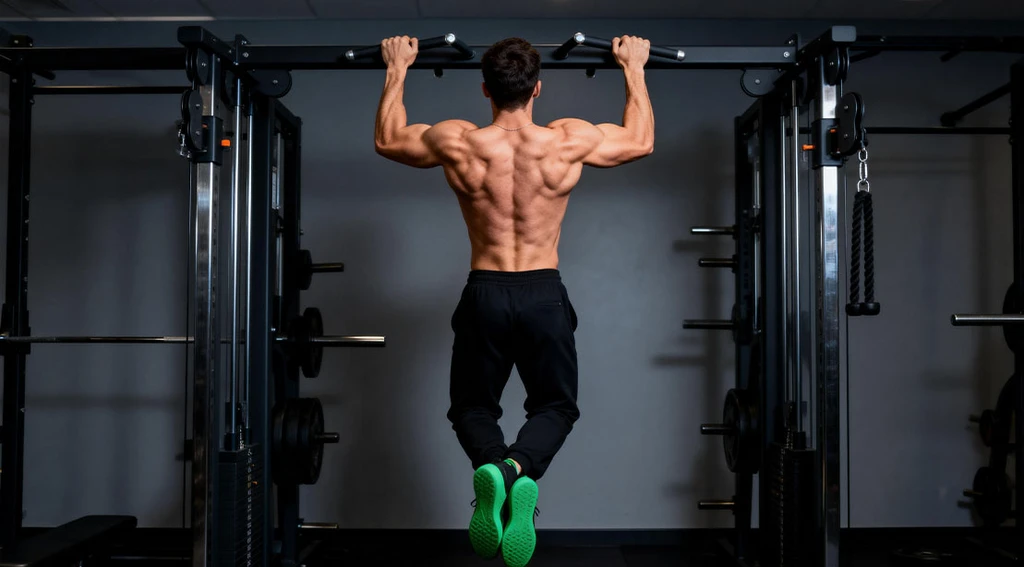
Pull-ups are the benchmark for upper-body strength, building powerful lats and biceps. However, many struggle to perform even a single rep, often due to joint pain or insufficient strength.
Instead of forcing difficult reps, focus on building the foundational strength, control, and technique essential for effective pull-ups. These five exercises are not just alternatives; they are targeted solutions to address specific limitations.
Why Pull-Ups Are Challenging
Pull-ups demand a blend of strength, control, and coordination. Common obstacles include insufficient relative strength against body weight, leading to swinging or reduced range of motion. Shoulder or elbow discomfort can arise from poor technique, inadequate mobility, or improper setup. Grip strength often becomes a limiting factor before the back muscles fatigue. Furthermore, poor scapular control, failing to initiate the movement by depressing and retracting the shoulder blades, shifts the load to the arms and forearms.
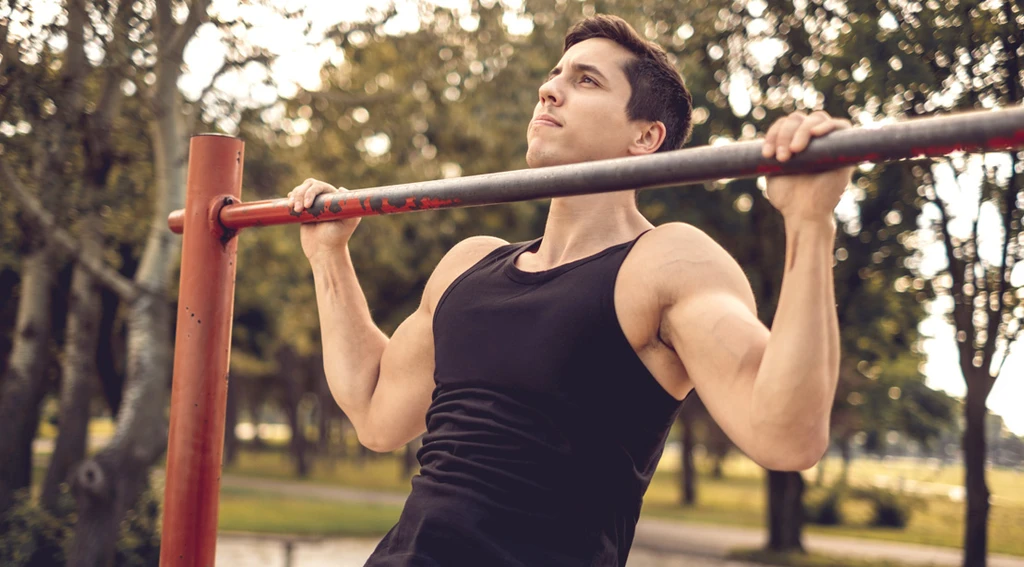
Targeted Solutions for Stronger Pull-Ups
To build pull-up capability, select exercises that mimic the vertical pulling pattern, emphasize lat and upper back engagement, promote scapular control, and allow for progression.
- Mixed Grip Pull-Up: Offers an advantage by combining pull-up and chin-up grips, improving leverage and reducing grip fatigue. This helps achieve early reps and builds essential strength.
- Inverted Row: Works the same muscle groups as pull-ups but with less body weight, reinforcing proper mechanics and enabling strength development through adjustable body angles.
- TRX Pull-Up: Strengthens the pull-up motion by using adjustable straps, demanding core stability and controlled movement without the full body weight challenge.
- Negative Pull-Ups: Focuses on building strength in weak ranges of motion and specific muscle positions, ideal for those experiencing elbow or shoulder discomfort during the pulling phase.
- Half-Kneeling Unilateral Lat Pulldown: Enhances mind-muscle connection with the lats and reinforces scapular depression. Single-arm execution improves unilateral strength and addresses imbalances.
Stop struggling with half reps and joint pain. Focus on these targeted movements to build the strength, control, and technique needed to master the pull-up.