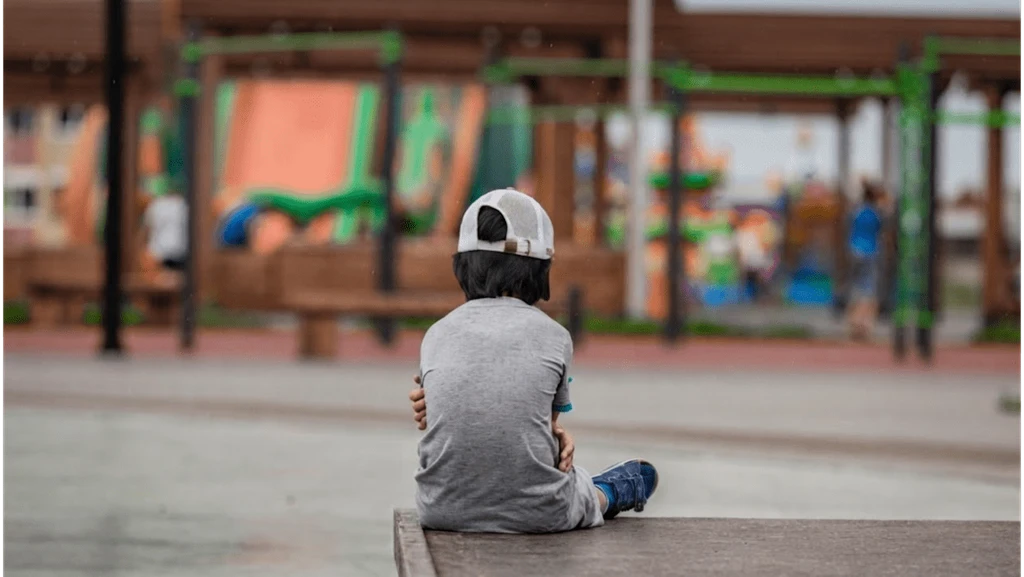
When a child is left out of a game or a party, the parental instinct is to step in immediately. However, experts caution that a swift rescue may do more harm than good.
Patricia Zoey Tan of The Early Brain Academy notes that exclusion can be particularly painful during adolescence, amplified by social media visibility. Neurologically, as educator Jacinth Liew explains, social rejection can activate the same brain region that processes physical pain.
The consensus among specialists like behavioral therapist Claire Chong is to "support, don't rescue." A parent's primary role is to provide emotional safety, allowing the child to process feelings of hurt or confusion first.
Once the child feels understood, parents can guide them toward agency. This might involve offering choices or open-ended questions like, "Would you like me to just listen first?" The goal is to help the child develop problem-solving skills and the understanding that rejection, while uncomfortable, is manageable.
Therapist Grace Lio emphasizes teaching children to be "comfortable with being uncomfortable." This involves respecting others' choices and learning to expect and accept social discomfort without it defining their self-worth.
Long-term, experts like Liew and Tan recommend proactive strategies: early playdates to build social confidence, teaching boundary-setting, and fostering emotional intelligence through daily conversations that go beyond schoolwork. The objective is not to eliminate every disappointment but to equip children with the resilience to navigate social complexities.