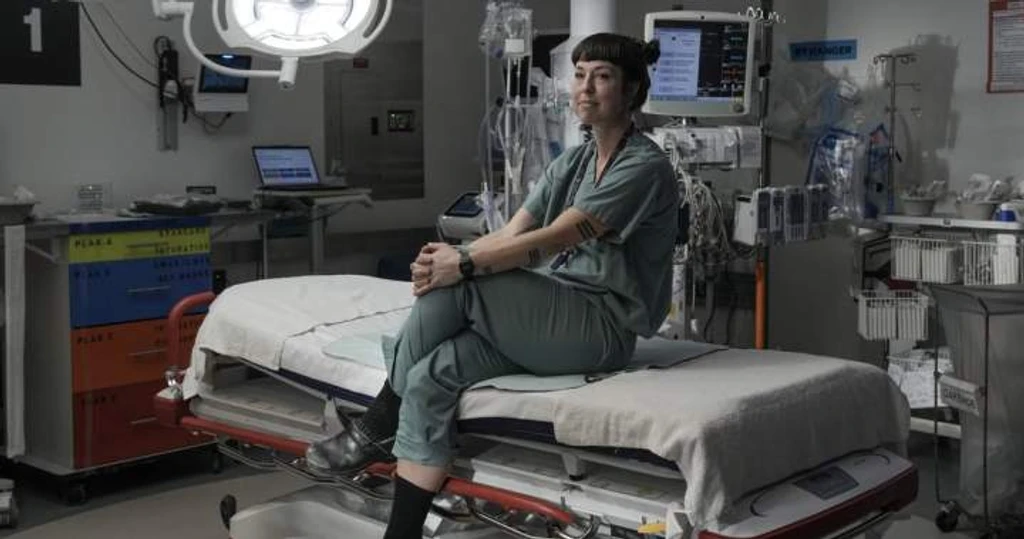
Seven times over two winters, staff at St. Michael’s Hospital in downtown Toronto paused for a moment of silence after a patient-often unidentified-died from severe accidental hypothermia.
The emergency department treats many of Toronto’s unhoused residents, who face extreme risk when temperatures drop. Dr. Evelyn Dell, an ER physician and trauma specialist, leads a hospital initiative to improve treatment for the most severe hypothermia cases-saving four patients on the brink of death.
With shelters routinely at capacity-housing up to 15,000 people nightly-hundreds sleep outside, in subways, or in parking lots. St. Michael’s partnered with nearby Haven shelter: over three weeks in January, 51 patients were transferred; 76 total stayed warm and safe over two months.
Ontario coroner data shows 90 hypothermia-related deaths in 2022-the highest in four years-with 16 involving homeless individuals. Though numbers declined slightly in 2023-2024, all remain preventable. Dr. Dirk Huyer, Chief Coroner, calls it a public safety priority.
Dr. Stephen Hwang of the MAP Centre found a 46% rise in cold-related ER visits by homeless people last winter-unseen in the general population. Notably, 72% of hypothermic events occurred above −15°C.
Outreach worker Greg Cook of Sanctuary Ministries confirms the crisis: shelters are full, warming centers overflow, and survival tactics-including makeshift fires-lead to burns. "The solution is simple: shelter and affordable housing," he says. "At the very least, we should prevent the cold from killing people."