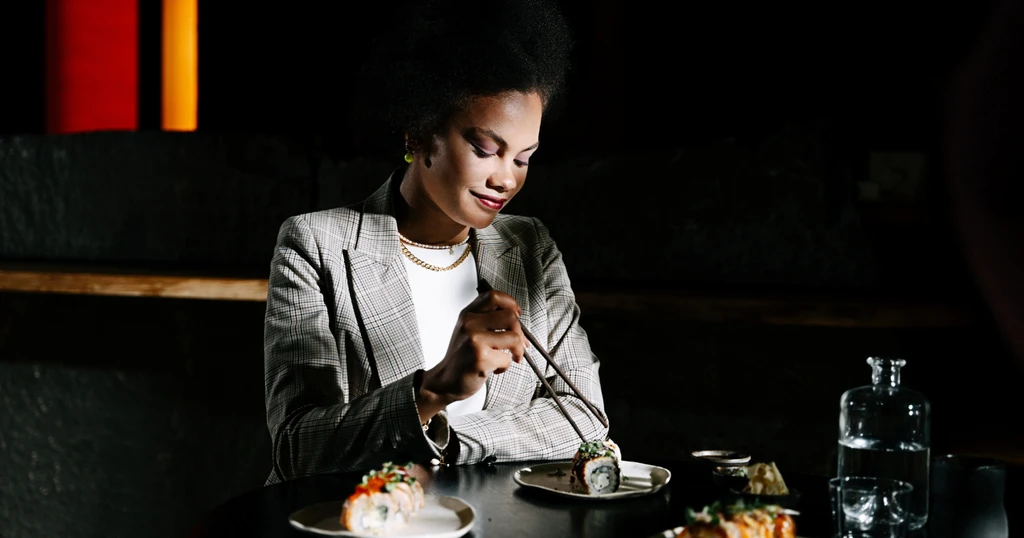
For years, restaurant managers treated solo diners as a logistical problem. They were often seated near the kitchen to spare other guests from perceived awkwardness.
That perspective misses a fundamental psychological distinction. Loneliness is the painful gap between desired and actual connection. Solitude, however, is chosen time alone that replenishes you. The same empty evening can be either, depending on whether you selected it.
A major barrier is the "spotlight effect"-the mistaken belief that others are scrutinizing you. Research shows people massively overestimate how much they are noticed in public.
A 2015 study by Rebecca Ratner and Rebecca Hamilton found people avoid solo activities due to fear of being judged as friendless. However, participants who went to an art gallery alone enjoyed it just as much as those in pairs. This reluctance is a cross-cultural phenomenon, appearing in the U.S., China, and India.
Observational evidence from busy restaurants supports this. Regular solo diners often appeared the most relaxed. They ordered decisively, ate mindfully, and were not anxiously absorbed in their phones. Their comfort stemmed from being good company to themselves, a skill that also enhances social connections.
Starting small, like with a solo lunch, and choosing a bar seat can make the first experience easier. The key is to engage with the meal and the moment, not the imagined audience.