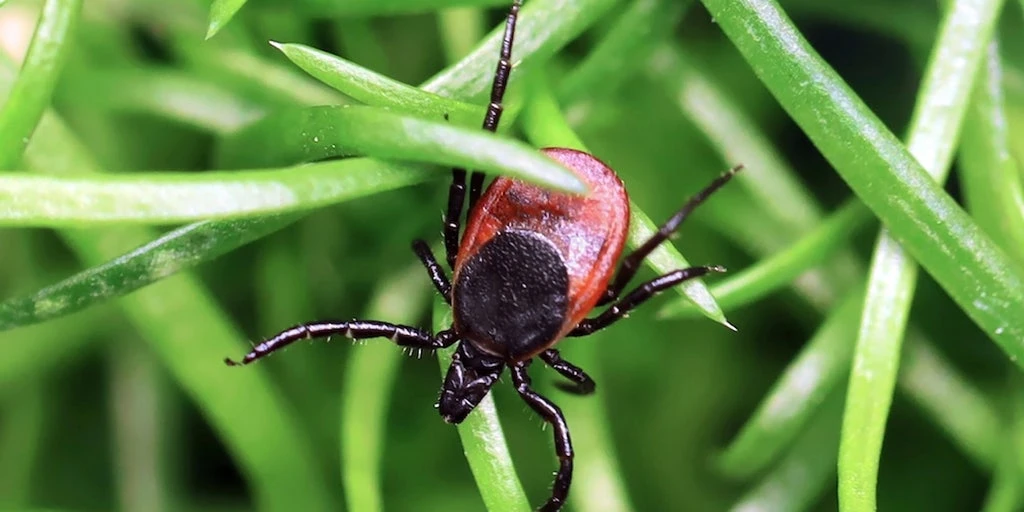
A rare and potentially fatal tick-borne illness spreading across the United States has reached a historic peak. The disease, known as Powassan virus, was named for the Ontario town where it was first discovered in 1958.
According to the CDC, 76 Americans were diagnosed with the virus in 2025, the highest annual total on record. The US previously averaged just seven to eight diagnoses each year. The virus is transmitted through the bite of an infected woodchuck tick or deer tick.
Dr. Jorge P. Parada, a medical advisor at the National Pest Management Association, warns that transmission speed makes the virus uniquely dangerous. "Powassan can be transmitted in as little as 15 minutes after the infected tick bites, while Lyme disease usually requires a 36- to 48-hour attachment time," Parada stated.
Dr. Marc Siegel, senior medical analyst for Fox News, confirmed the incubation period spans one to four weeks. Initial symptoms include fever, headache, vomiting, and weakness. The virus can progress to severe neurological complications including encephalitis and meningitis. Approximately 10% of severe neurological cases are fatal, and many survivors experience long-term issues.
There are no specific medications or vaccines to treat Powassan virus. Clinical care remains limited to supportive therapy. Those at highest risk include children, older adults, and immunocompromised individuals.