A long-standing theory suggests viruses could be a contributor to Parkinson's disease. New research from Texas A&M University provides a novel way to study this link.
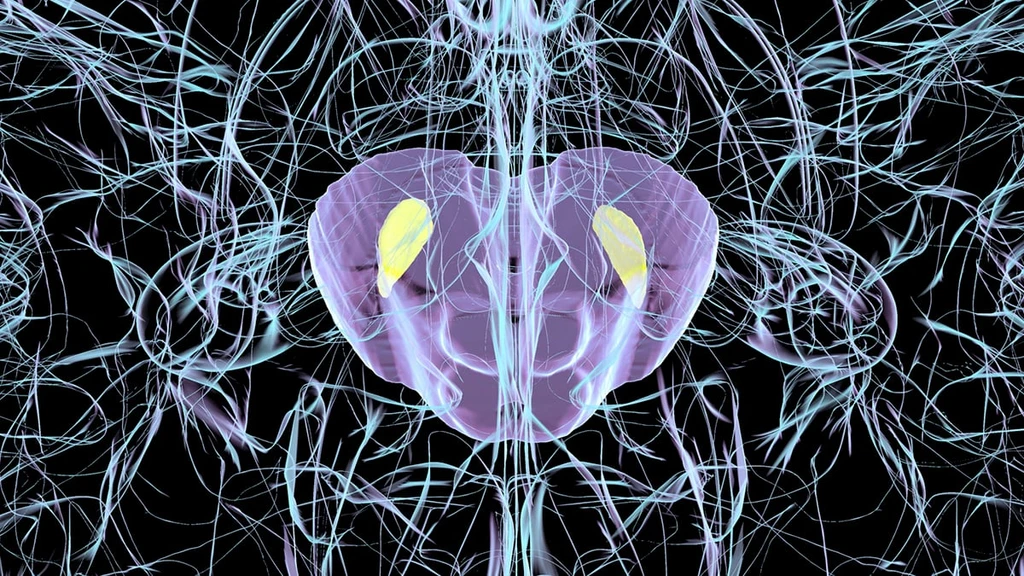
Using Theiler's Murine Encephalomyelitis Virus (TMEV) in mice, scientists confirmed it infected and destroyed dopamine-producing neurons in the substantia nigra, the brain area affected by Parkinson's.
Crucially, the resulting motor coordination problems persisted long after the virus was cleared. This indicates the initial viral damage can lead to chronic symptoms characteristic of Parkinson's.
Unlike traditional genetic or toxic chemical models, this viral approach may better mimic how the disease initiates in some humans. Researchers say it offers a new tool to unravel the complex causes of Parkinson's.
The study underscores that viruses might not cause Parkinson's alone, but could create enough neural damage for other genetic or environmental factors to trigger the full disease.