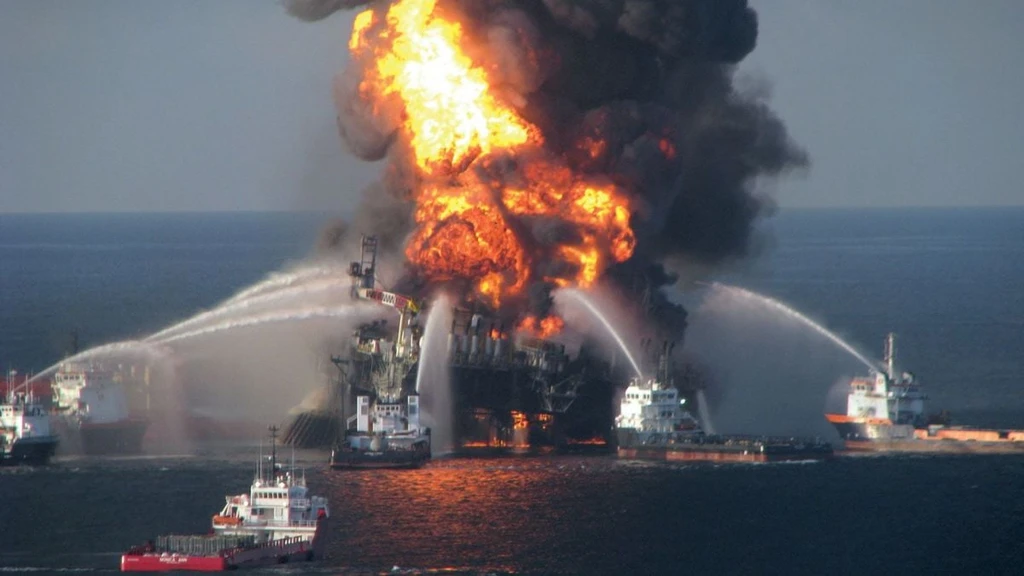
Scientists are testing a radical new tool against oil spills: giant fire tornadoes.
Unlike conventional in-situ burning, which spreads flames outward, fire whirls create a vortex. This draws in oxygen, creating a hotter, more efficient blaze that can vaporize crude oil before it sinks.
"This is the first time anyone has conceived using fire whirls for oil spill remediation," said Elaine Oran, an aerospace engineer at Texas A&M University and study co-author.
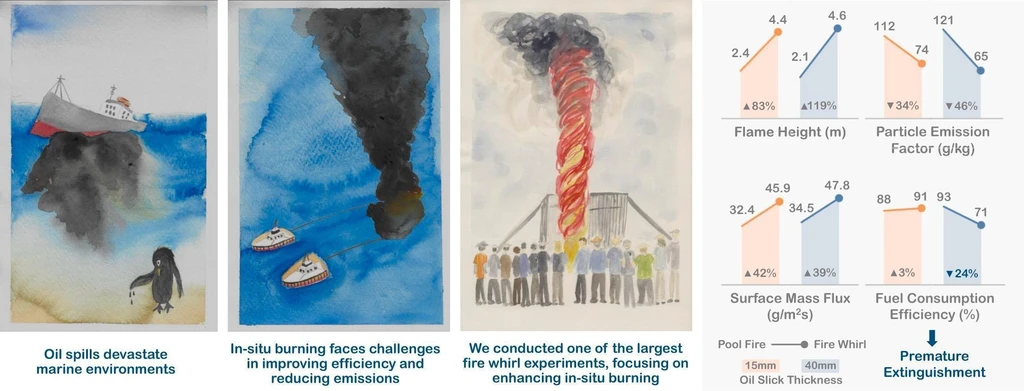
In field-scale tests, fire whirls achieved temperatures near 1,900 degrees Fahrenheit, outperforming conventional burns. They increased burning rates by up to 40 percent and reduced soot emissions by up to 40 percent.
The research, supported by the Bureau of Safety and Environmental Enforcement, was a large-scale follow-up to smaller lab demonstrations. It could one day help mitigate disasters like the 2010 Deepwater Horizon spill.
However, the method has limitations. It currently requires calm conditions and is sensitive to wind, which can extinguish the flames. Scaling the technology for open ocean use presents significant challenges.
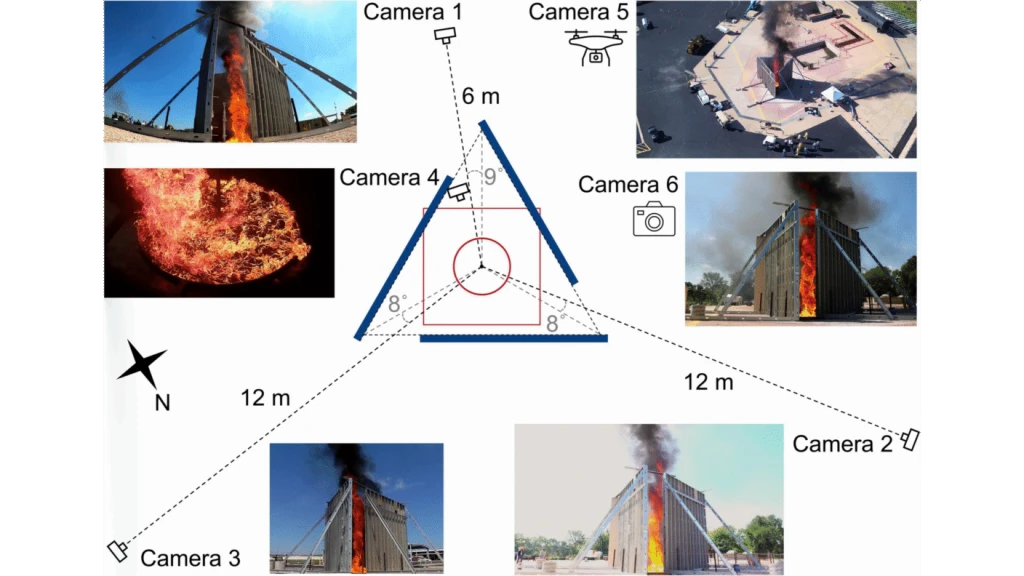
Despite the hurdles, researchers see promise. Future systems might use deployable walls to create fire whirls at sea, turning a destructive force into a cleanup tool.