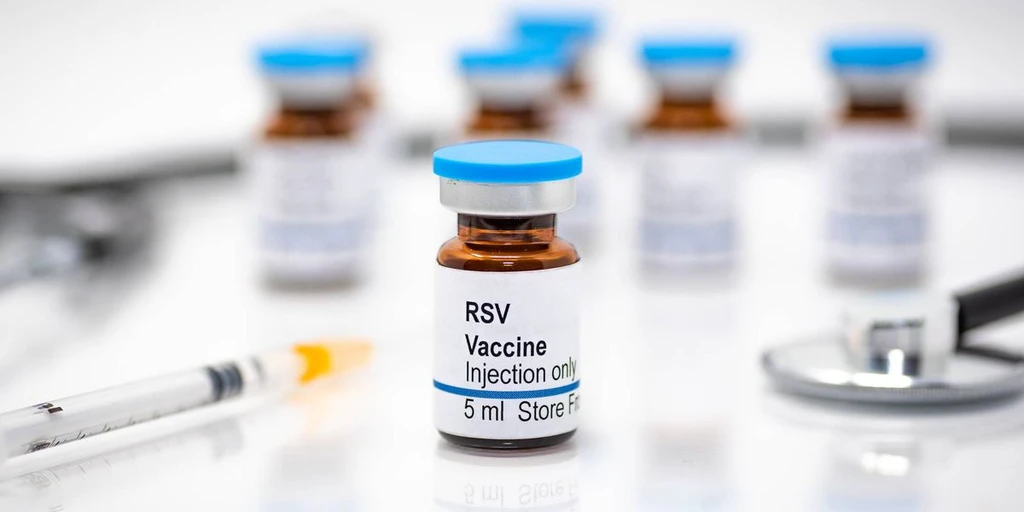
Respiratory syncytial virus (RSV) is a common infection that targets the lungs and respiratory system. It can infect adults, not just children. Many infections are mild, but infants under 2 months, adults over 75, and adults over 50 with chronic conditions are at higher risk for serious complications.
RSV spreads like the flu through coughing and sneezing. You can get the virus by breathing in infected droplets or touching contaminated surfaces and then your face.
The CDC recommends an RSV vaccine for all adults 75 and older, and for those 50 and over with conditions like COPD, congestive heart failure, diabetes, chronic kidney disease, or obesity. Currently, only one dose is recommended, even if received during pregnancy.
RSV season runs October through March, with late summer or early fall the ideal time for vaccination. Side effects are mild: pain at injection site, fatigue, fever, headache, nausea, or muscle pain.
Benefits include preventing serious illness, reducing hospitalization rates, and lowering dementia risk. For pregnant women, vaccination between 32-36 weeks provides 68% protection against infant hospitalization. If unvaccinated during pregnancy, newborns can receive a protective antibody injection.