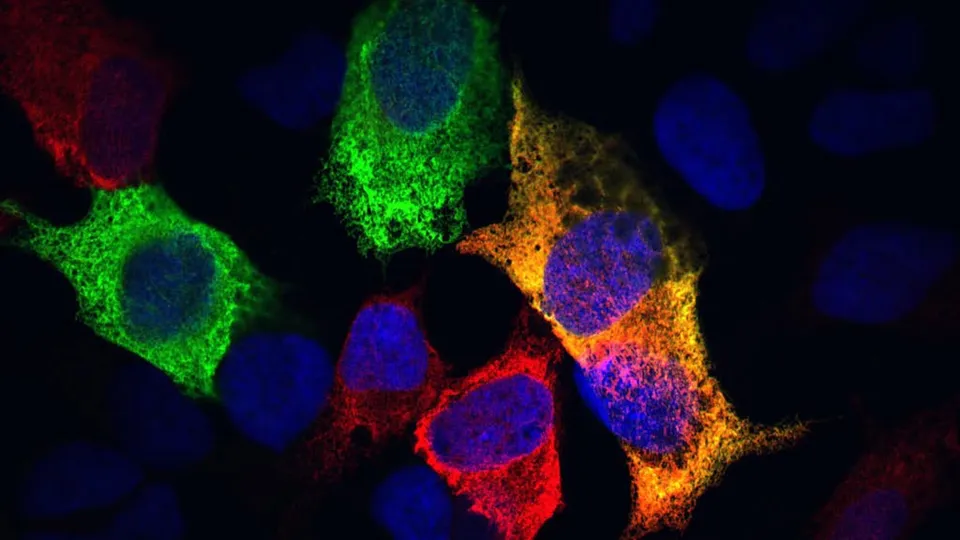
Scientists at Vanderbilt University have identified a fundamental cellular process that actively remodels the endoplasmic reticulum (ER) - a vital internal cell structure - in aging animals. This discovery sheds light on the mechanics of aging and may offer new drug targets for age-related chronic diseases.
As organisms age, their cells modify the ER, a complex network involved in protein folding and transport. This adaptation, known as ER-phagy, is a specialized form of autophagy, where damaged or excess ER components are broken down and recycled.
The new study reveals ER-phagy plays a role not only in healthy aging but potentially in extending lifespan. Researchers observed that as model organisms, Caenorhabditis elegans nematodes, aged, the amount of rough ER significantly decreased, while smooth ER remained largely unchanged.
This remodeling of the ER is suggested to be a "proactive and protective response" during aging. Changes in the ER appear early in the aging process and could be a trigger for later cellular dysfunction and disease.
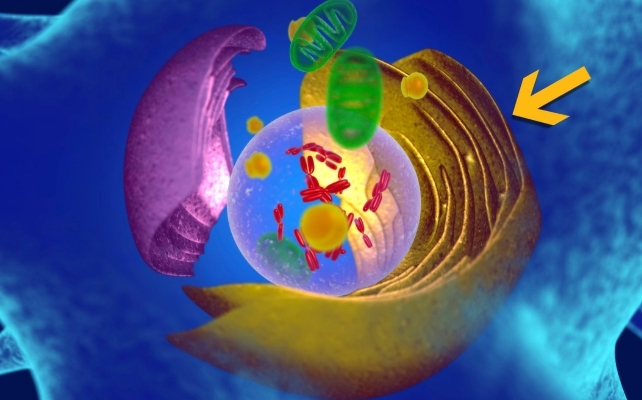
Further research aims to clarify these ER dynamics and explore how this knowledge can be leveraged to promote healthy longevity.