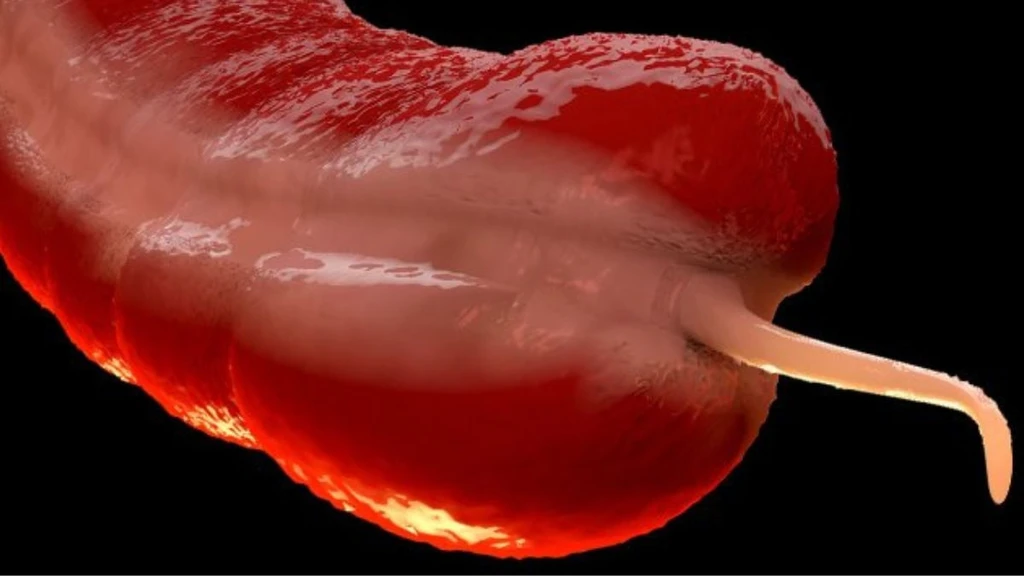
A rare cancer of the appendix is rising sharply among younger generations in the United States, and scientists have yet to pinpoint the cause.
New research from Vanderbilt University shows that people born between 1976 and 1984 are three times more likely to be diagnosed with appendiceal cancer than those born between 1941 and 1949. For those born between 1981 and 1989, the risk is quadrupled. Today, one in three appendix cancer patients is under age 50.
Epidemiologist Andreana Holowatyj, who led the analysis, notes that while the disease remains rare-with about 3,000 cases annually in the U.S.-the trend demands attention. She points out that appendix cancer often presents with vague symptoms like abdominal pain, bloating, and pelvic discomfort, easily mistaken for more common conditions.
Holowatyj and her team suspect possible contributing factors include dietary changes, physical inactivity, inherited gene variants, and environmental exposures such as plastics and chemicals. Other experts note that the rise mirrors similar increases in colorectal cancer among younger adults.
Currently, there are no standardized screening protocols for appendix cancer, and treatment options remain limited. Holowatyj emphasizes the importance of consulting a healthcare professional when symptoms appear.
The findings were published in the Annals of Internal Medicine and Gastroenterology. Holowatyj plans to continue investigating who is most at risk and why.