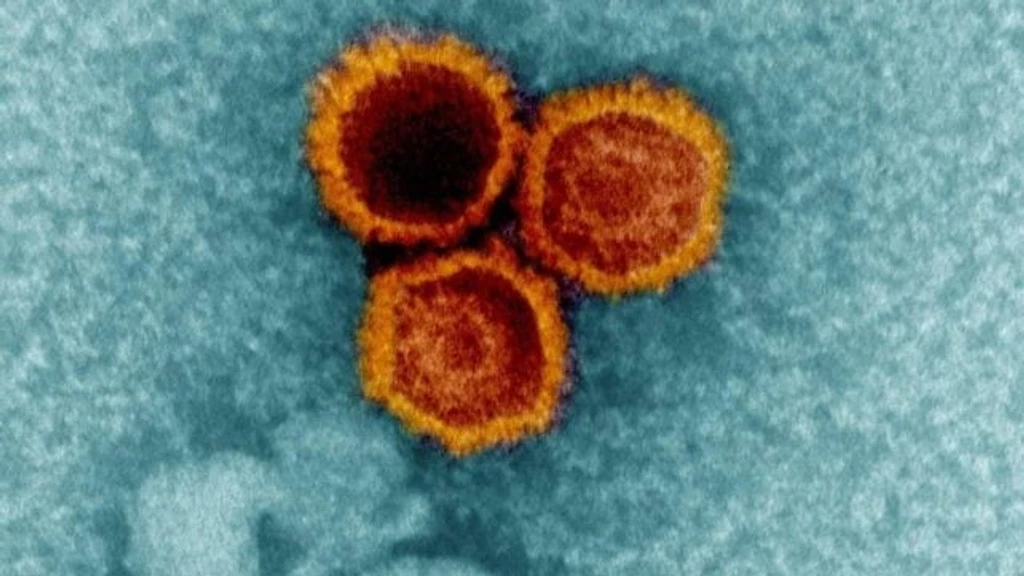
The Epstein-Barr virus (EBV) infects an estimated 95% of adults worldwide, often causing no symptoms but remaining in the body for life. It is linked to several cancers, multiple sclerosis, and other severe conditions.
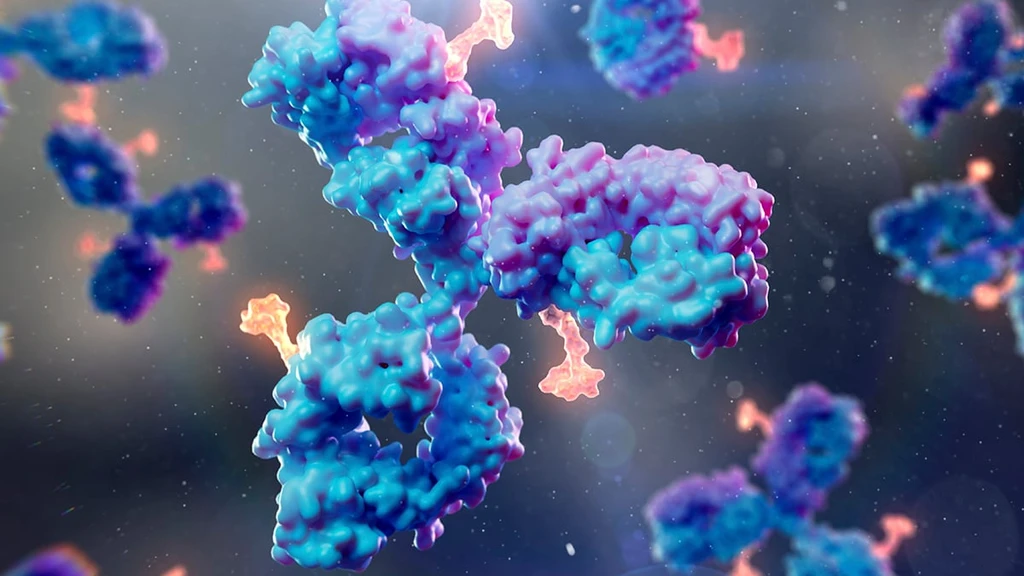
Now, a team from the Fred Hutchinson Cancer Center and the University of Washington has developed antibodies that target two key proteins on the surface of EBV particles. These proteins, gp350 and gp42, allow the virus to enter B cells, a type of white blood cell crucial to the immune system. Blocking these proteins could prevent initial infection and potentially stop reactivation later in life.
In experiments with mice carrying human-like immune systems, one of the antibodies successfully protected the animals from EBV infection. The researchers used specially bred mice to produce human antibodies, increasing the chance they will be accepted by the human body in future treatments.
The team isolated 10 new antibodies in the lab. One showed particularly strong promise in protecting against EBV. The next stage will involve human safety testing and clinical trials. The research is published in Cell Reports Medicine.