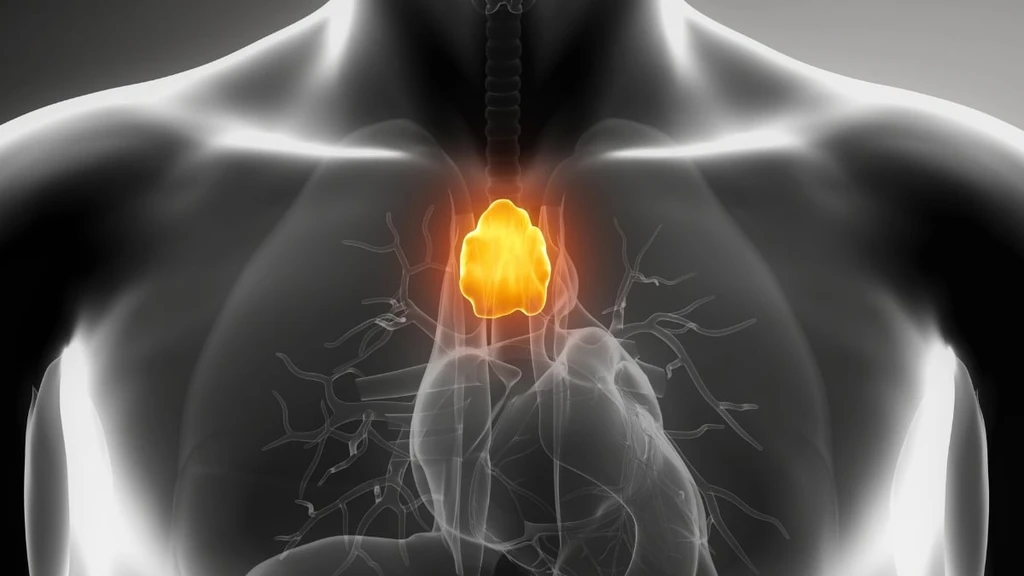
There's a small fatty gland that sits behind your sternum and is often said to be 'useless' in adulthood. Research, however, suggests the thymus gland is not nearly as expendable as experts once thought.
A 2023 study found that patients who had their thymus removed faced an increased risk of death and developing cancer within five years of surgery. "We discovered that the thymus is absolutely required for health. If it isn't there, people's risk of dying and risk of cancer is at least double," said Harvard University oncologist David Scadden.
The observational study, which was published in The New England Journal of Medicine, cannot prove direct causation. But researchers now argue that preserving the thymus should be a clinical priority.
In childhood, the thymus is known to play a critical role in developing the immune system. By puberty, however, it shrivels up and produces far fewer T cells. Because it sits in front of the heart, it is often routinely removed during cardiothoracic surgery.
Boston researchers compared outcomes from over 6,000 control patients and 1,146 who underwent a thymectomy. Those who had the gland removed were almost twice as likely to die within five years, and twice as likely to develop cancer. The cancer in these patients was also generally more aggressive.
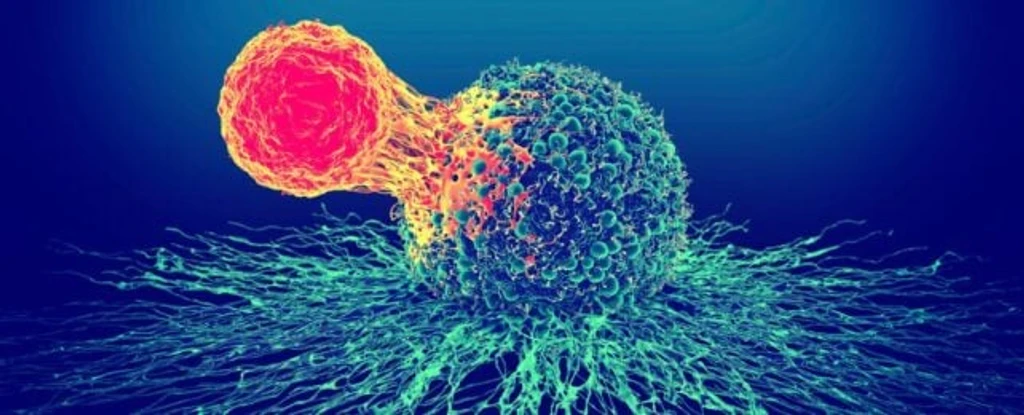
A subset of patients showed fewer diverse T-cell receptors in their blood after removal, which could possibly contribute to the development of cancer or autoimmune diseases.
The scientific community isn't universally convinced. A 2025 study from the Yale School of Medicine analyzed patient records and could not find any evidence that removing the thymus had a negative effect on patient health, suggesting more research is needed to unpack the long-term consequences.