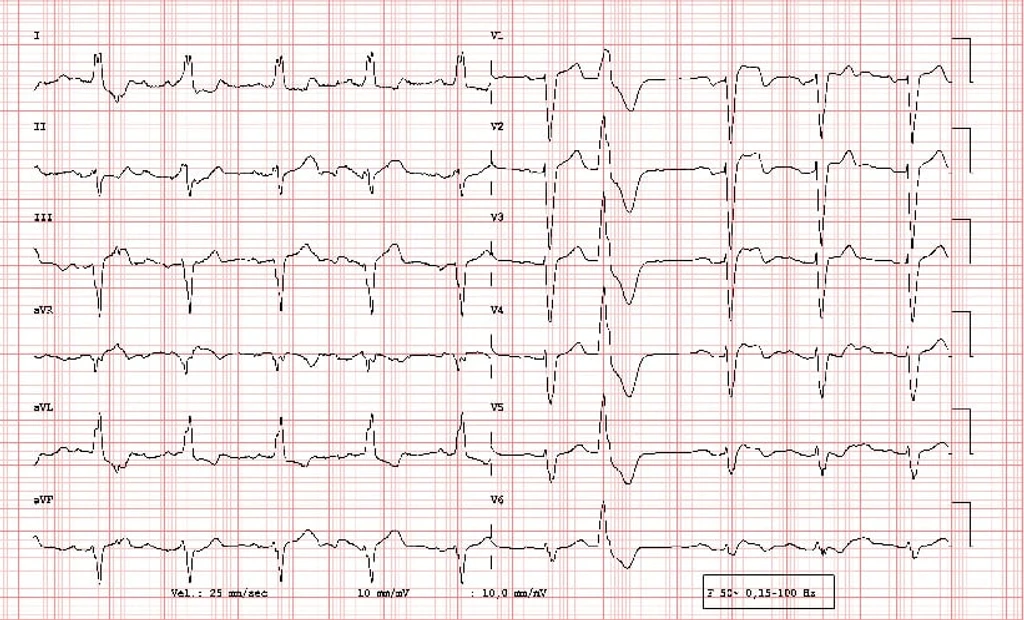
A retrospective study suggests cardiac magnetic resonance (CMR) can identify patients with acute myocarditis who are at risk for advanced atrioventricular block (AVB).
The key marker is elevated extracellular volume (ECV) in the basal superior ventricular septum.
The study evaluated 105 patients admitted with acute myocarditis. Researchers compared 18 patients with advanced AVB against those with non-advanced or no AVB. While AVB is often transient, the imaging differentiated the severity of conduction disturbances.
Patients with advanced AVB demonstrated higher ECV values across multiple myocardial segments. The strongest statistical signal came specifically from the basal superior ventricular septum, where investigators set a threshold of 36.95%.
Adverse clinical outcomes-including death, heart failure readmission, or device implantation-occurred exclusively in three patients from the advanced AVB group who displayed this elevated septal ECV.
The findings highlight a potential imaging tool for risk stratification, though the retrospective, single-centre design requires further validation.