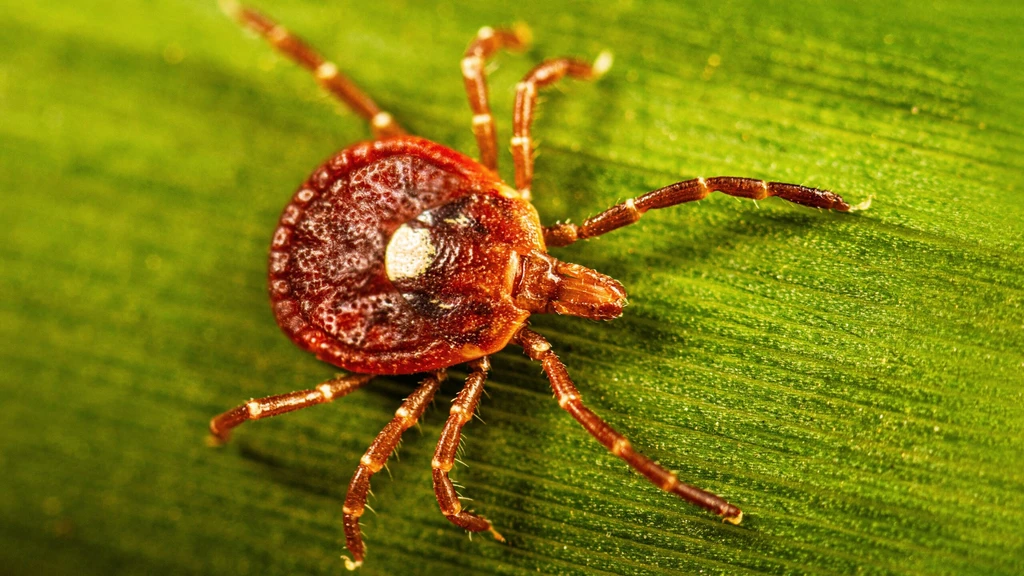
New research indicates the risk for a red meat allergy linked to tick bites is far more widespread than health officials previously thought.
A study in the Centers for Disease Control and Prevention's Morbidity and Mortality Weekly Report found that up to 30 percent of people in certain parts of the United States carry the specific antibody for alpha-gal syndrome. This is dramatically higher than the CDC's prior estimate that only 0.14 percent of the US population, or roughly 450,000 people, actually have the allergy.
The condition is triggered by the bite of a lone star tick. The tick's saliva introduces a sugar molecule called alpha-gal into the body, causing the immune system to produce IgE antibodies. These antibodies can then trigger a severe allergic reaction to red meat from mammals like beef and pork, as well as other animal products.
What makes alpha-gal syndrome uniquely dangerous is its delayed reaction. Symptoms-including hives, nausea, vomiting, and potentially life-threatening anaphylaxis-typically flare two to six hours after eating, often making it difficult for patients and doctors to identify the trigger.