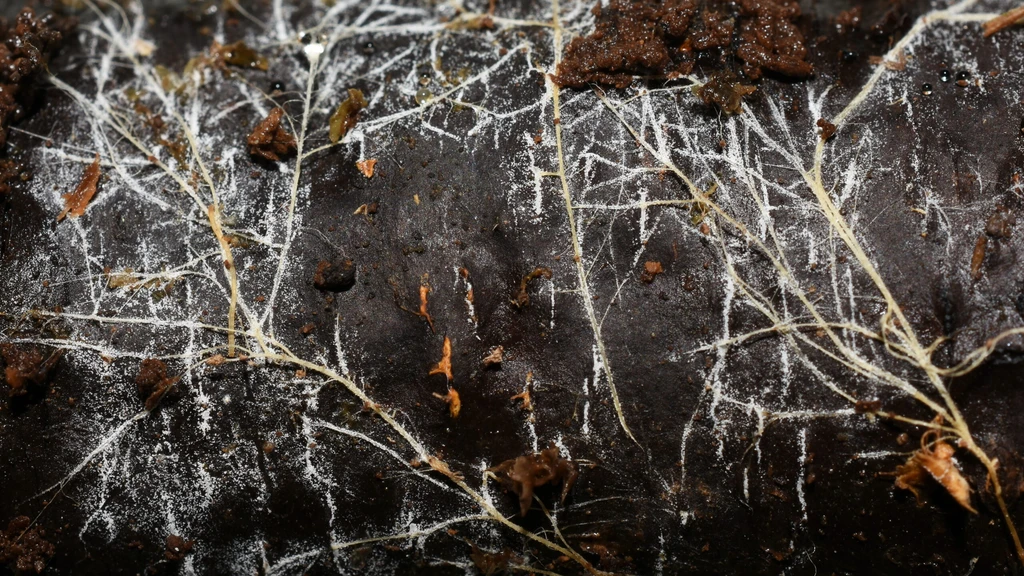
The first comprehensive map of Earth's living arbuscular mycorrhizal fungal networks has been released, revealing a subterranean infrastructure of staggering proportions. According to lead researcher Stewart, these biological threads are so extensive they could theoretically stretch beyond the Solar System.
However, this discovery comes with a stark warning. The study identifies croplands as critical threat zones, where fungal density sits at merely half that of wild ecosystems. While wild grasslands harbor approximately 40 percent of global arbuscular mycorrhizal biomass, they remain among the most unprotected environments on Earth. These lands are being converted to farmland at four times the rate of forests, jeopardizing vital carbon storage and plant health.
Previous data from the Soil Protection and Utilization Network (SPUN) indicates that 90 percent of global fungal communities lack legal protection. Many regions, including the deserts of the American Southwest, remain significantly understudied.
Corentin Bisot, an AMOLF biophysicist and co-author, emphasized the current limitations in our scientific capabilities. "We’re still far from completely understanding how... to increase microbes and fungi there," Bisot stated. "We don’t have the toolbox for you to do it."
Stewart described this initial mapping effort as a foundational step, akin to early Spanish maps of California. He noted that future discoveries will refine public understanding of these networks' density and distribution.
To address these gaps, the SPUN team will present their findings at the upcoming United Nations Climate Change Conference, COP31. Their goal is to persuade policymakers of the networks' essential role in ecosystem preservation and carbon sequestration. Research into dead fungal networks, which also contribute significantly to carbon storage, remains ongoing.