Tick season is here earlier and staying longer, driving emergency room visits to record levels. CDC data from late April shows 114 tick-bite-related ER visits per 100,000, the highest rate since at least 2017.
Warmer winters and shorter seasons are extending tick activity, experts say. And it's not just forests-backyards are prime danger zones, particularly transition areas between manicured lawns and wild brush.
Dr. Jim Fredericks of the National Pest Management Association warns that many infections come from bites in residential settings. Even indoor pets need year-round protection, including annual blood tests for tick-borne diseases.
Prevention: Keep grass trimmed, remove leaf piles, create barriers against wild areas, use tick repellent, wear long clothing, and check thoroughly after being outdoors. On pets, focus on the head, ears, abdomen, toes, and tail.
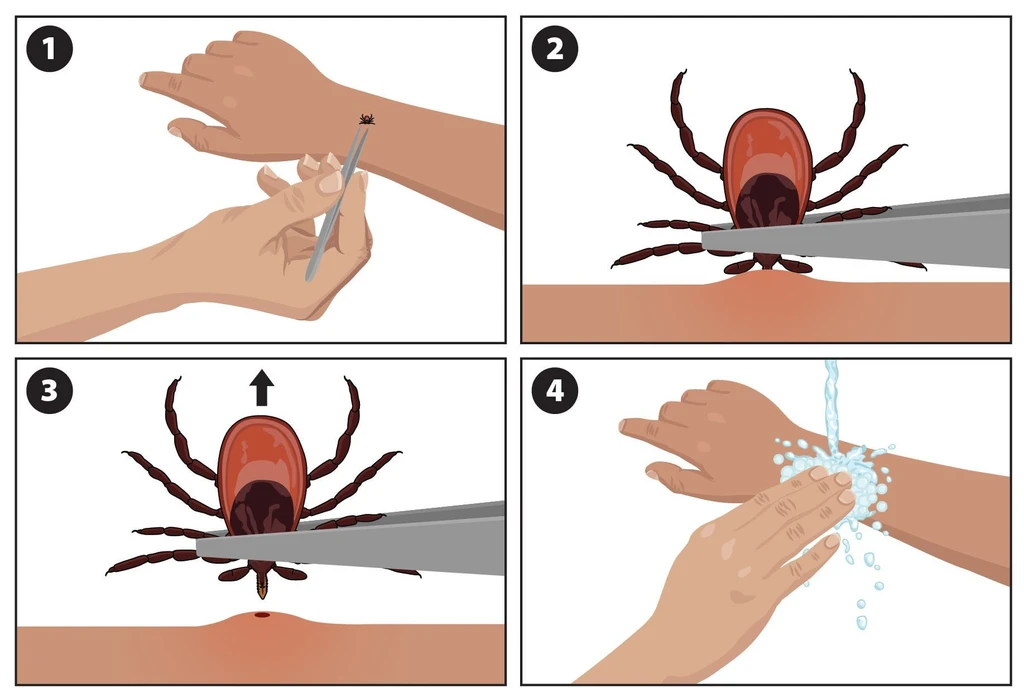
If you find a tick, remove it with tweezers by pulling steadily near the skin until the entire tick comes out. Dispose of it by sealing in tape, flushing, or placing in alcohol. Clean the bite area with soap and water.
Pfizer and Valneva are developing a human Lyme disease vaccine that showed 73.2% efficacy in late-stage trials. Animal vaccines are already available.