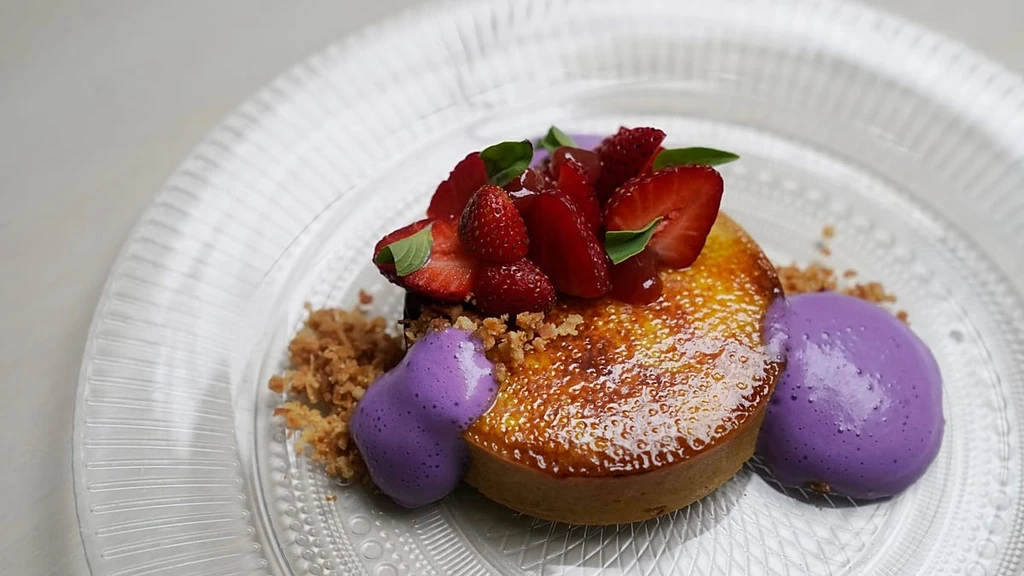
A vibrant purple color is appearing in coffee shops and bakeries worldwide. It comes from ube, a purple yam from the Philippines, now being hailed as the next big trend after matcha.
Ube, pronounced "oo-beh," has a mild, nutty flavor with notes of vanilla and pistachio. Its natural sweetness is widely accessible, unlike matcha's divisive bitter taste. This makes it a strategic ingredient for culinary innovation.
The tuber is now a star in patisserie, creating spectacular natural color in cakes, ice cream, and macarons. The ube latte has become the trend's most visible symbol. Major chains like Starbucks and Costa Coffee have added the purple drink to their menus. Its visual appeal drives significant engagement on social media platforms.
Health-wise, ube's deep purple hue comes from anthocyanins, plant pigments with antioxidant and anti-inflammatory properties. Research indicates these compounds can have positive effects on gut health and liver protection.
However, the trend carries a cost. The sudden global demand risks disrupting established farming in the Philippines. It also tempts other tropical nations to begin cultivation. For markets like Germany, ube remains a product with a significant travel distance and a corresponding poor climate footprint.