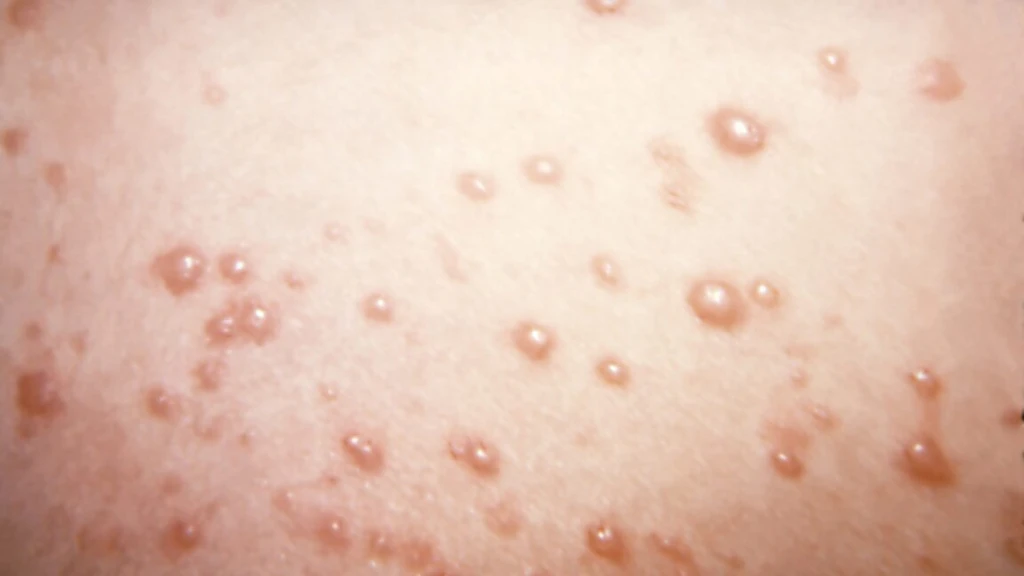
A rare complication following chickenpox has led to the development of large, rubbery nodules, illustrating the complexities of wound healing. The healing process involves inflammatory, proliferative, and maturation phases. In cases of keloid formation, the proliferative phase is disrupted, with fibroblasts producing excessive collagen, sometimes 20 times more than typical skin. While genetics and environmental factors are believed to contribute, with a higher prevalence in individuals with darker skin, the exact triggers remain unclear. Doctors speculate that the pro-inflammatory signals from varicella infections might induce a hyperproliferative state.
Treatment for keloids is challenging, as interventions that create new wounds risk exacerbating the condition. Surgical removal has high recurrence rates, and other methods like cryotherapy, laser, and radiotherapy carry risks with variable results. Corticosteroid injections are a common treatment to manage itching and burning.
In one documented case, a teen's keloids, while stable after monitoring, were managed with antihistamines and acetaminophen due to financial limitations and a preference to avoid aggressive treatment.
While keloids present a persistent challenge, chickenpox itself has an effective preventive measure: the varicella vaccine. Introduced in 1995, two doses provide 97% protection, leading to a dramatic decline in chickenpox cases and complications.