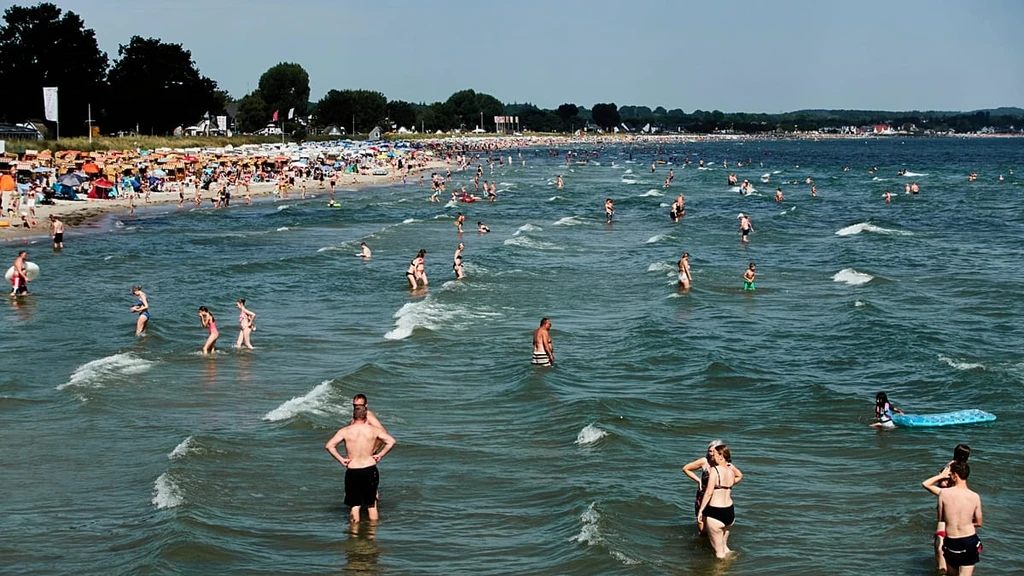
Warmer summer seas are creating ideal conditions for Vibrio, a bacterium naturally found in coastal waters. The European Centre for Disease Prevention and Control (ECDC) reports a significant increase in infections in northern Europe, particularly around the Baltic Sea.
Vibriosis stems from exposure to Vibrio bacteria in water or contaminated seafood. While most infections are mild, certain strains like Vibrio vulnificus can cause severe, necrotizing "flesh-eating" infections. These can enter through cuts or wounds, leading to complications including sepsis and limb amputation.
In 2018, cases surged to 445, over triple the median from 2014-2017. The ECDC warns the trend is tied to extended heatwaves. Those with weakened immune systems or chronic liver conditions are most at risk.
To mitigate risk, avoid swimming in brackish or salt water with open wounds. The agency advises against consuming raw or undercooked shellfish, especially oysters, and recommends thorough cooking of all seafood.
The bacteria are concentrated in the Baltic Sea, transitional waters with the North Sea, the Black Sea, and coastal areas with large river inflows. Experts predict rising global levels in seafood due to extreme weather events.