For millions suffering from depression, standard treatments often fail. A major clinical trial now shows a small implanted device can provide lasting relief for some with the most severe, treatment-resistant cases.
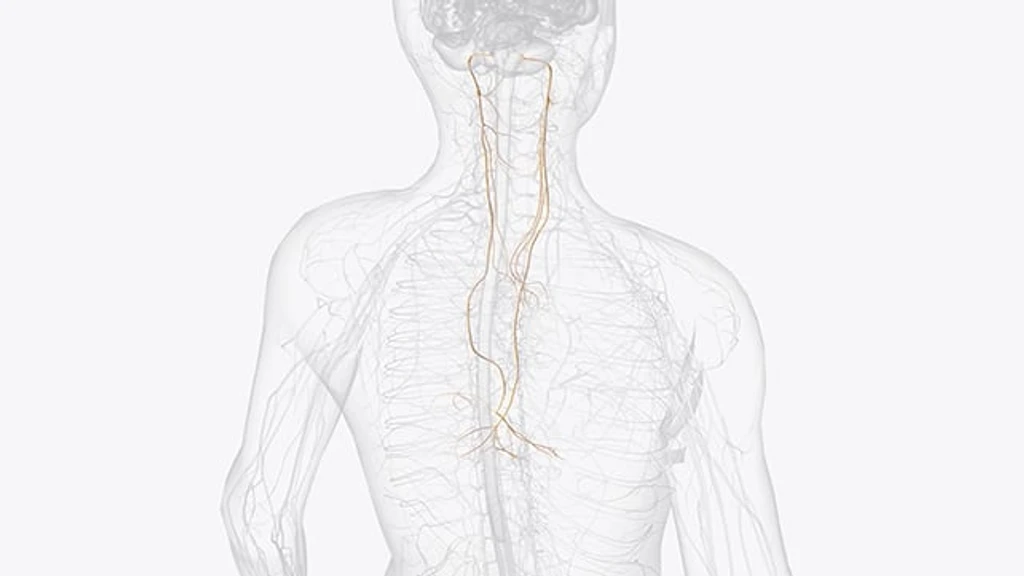
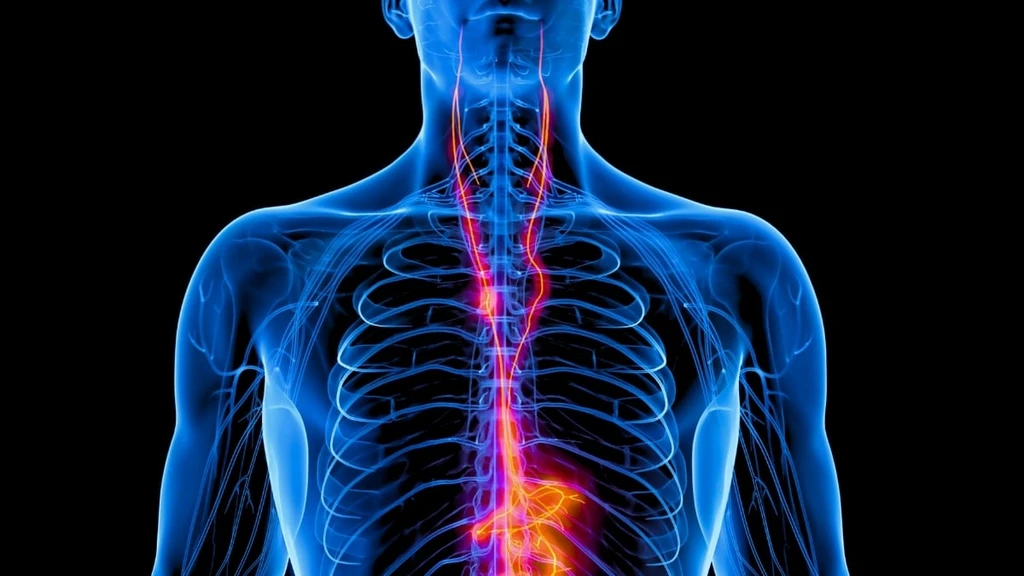
The treatment, vagus nerve stimulation (VNS), involves surgically implanting a pacemaker-like device in the chest. It sends mild electrical pulses to the vagus nerve, which runs from the brain to the abdomen.
The RECOVER trial enrolled 493 patients in the US. Each had tried and failed an average of 13 prior treatments. They had lived with depression for an average of 29 years, and three-quarters were unable to work.
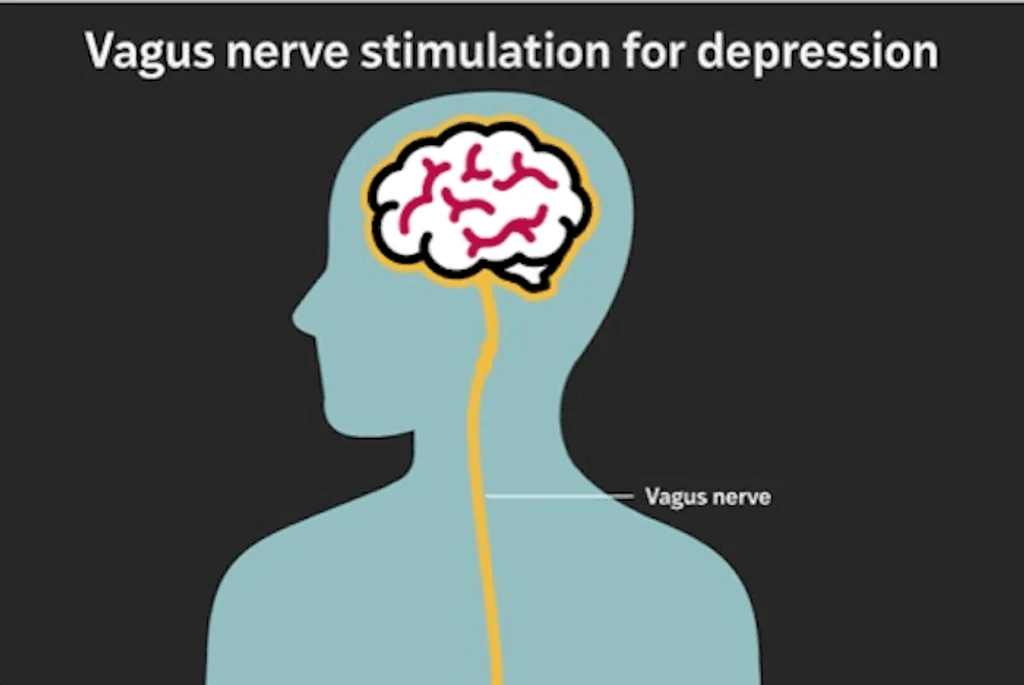
After 12 months of active stimulation, 69 percent of patients showed meaningful improvement. Of those, over 80 percent maintained or improved their benefits at 24 months. For patients with the strongest initial response, 92 percent still showed benefit two years later.
"We were shocked that one in five patients was effectively without depressive symptoms at the end of two years," said researcher Charles Conway of Washington University in St. Louis.
The study also found that some patients who did not respond in the first year improved in the second, suggesting the therapy may have a slow onset for some.
The trial was funded by device maker LivaNova. The data is intended to inform a coverage decision by the US Centers for Medicare and Medicaid Services, which currently does not cover the therapy. The FDA approved VNS for treatment-resistant depression in 2005.