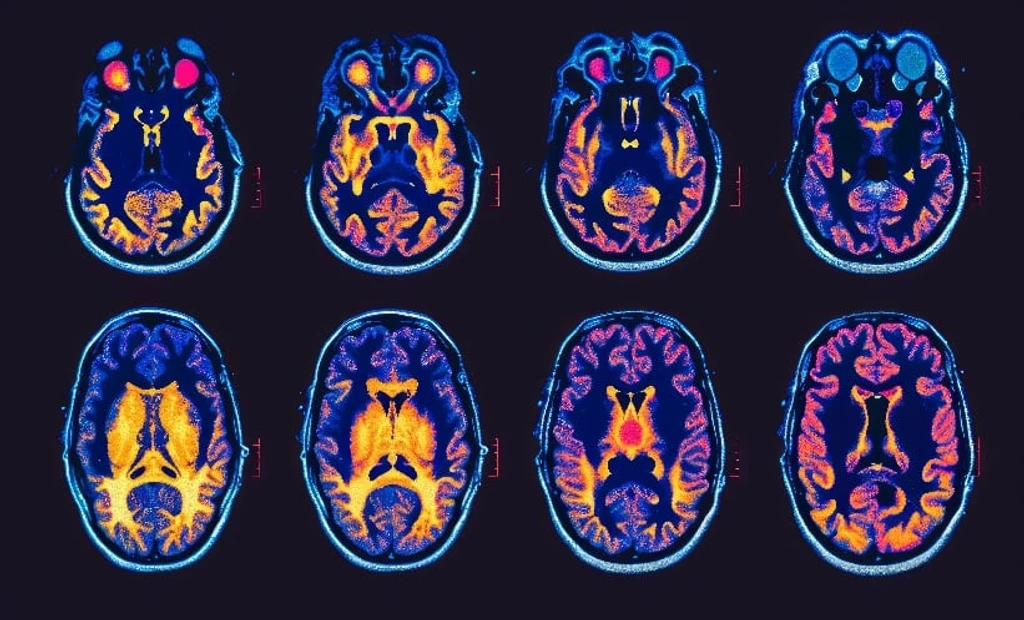
New research indicates that structural brain imaging could help doctors determine which patients with treatment-resistant depression are most likely to respond to ketamine therapy, potentially reducing the trial-and-error process that often delays effective care.
Treatment-resistant depression affects a significant number of patients with major depressive disorder-individuals who continue to suffer despite trying multiple antidepressants. Ketamine has shown promise as a rapid-acting option, but it doesn't work for everyone.
Researchers developed a machine-learning model using pre-treatment structural MRI scans from 99 adults with treatment-resistant depression. Each received a single intravenous ketamine infusion at 0.5 mg per kilogram. Response was defined as at least a 50% reduction in depression scores within 24 hours.
Among participants, 52.5% responded. The model distinguished responders from non-responders with 72.2% balanced accuracy, 72.3% sensitivity, and 73.1% specificity. It was validated in two independent groups totaling 51 patients, maintaining 60% balanced accuracy-still statistically significant.
The scans revealed distinct patterns: greater gray matter volume in frontal brain regions correlated with positive response, while larger cerebellar volumes were linked to non-response. These areas are known to be involved in mood regulation and cognitive control.
Importantly, the model failed to predict outcomes in a placebo-controlled group, suggesting the imaging markers are specific to ketamine's effects, not general placebo responses.
The authors call this the first machine-learning model to predict ketamine response in treatment-resistant depression using only structural neuroimaging. While larger studies are needed, these findings pave the way for MRI-based biomarkers to personalize treatment decisions and advance precision psychiatry.