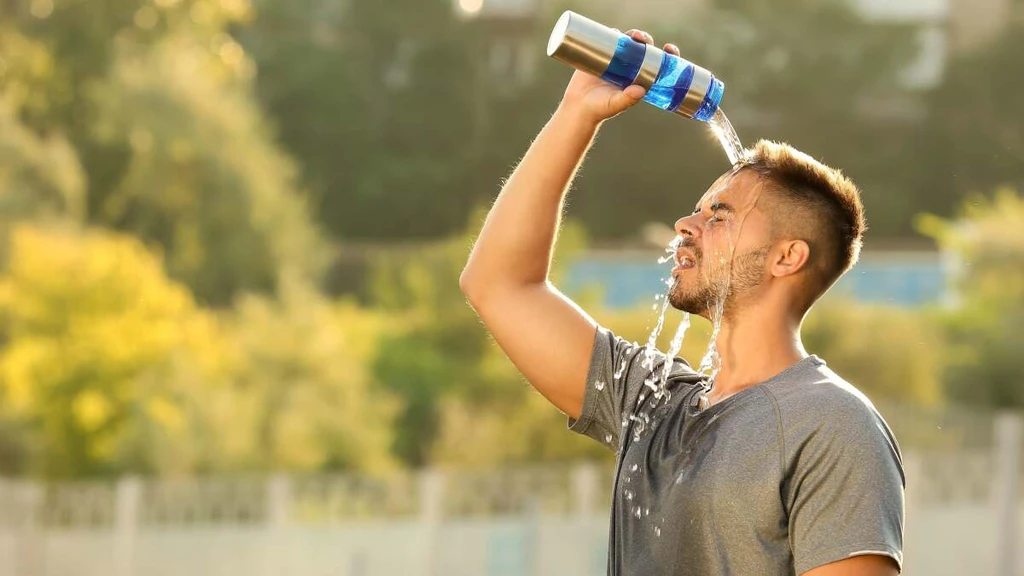
Exercising in summer heat can range from uncomfortable to lethal. The best metric to assess this risk is the wet bulb globe temperature, or WBGT. Unlike standard temperature or heat index readings, WBGT accounts for humidity's critical impact on the body's cooling mechanism.
Sweat evaporates less efficiently in humid air, making heat more dangerous. A WBGT of 82 degrees-a high risk threshold-can occur at 100 degrees with 10% humidity, or at just 80 degrees with 70% humidity.
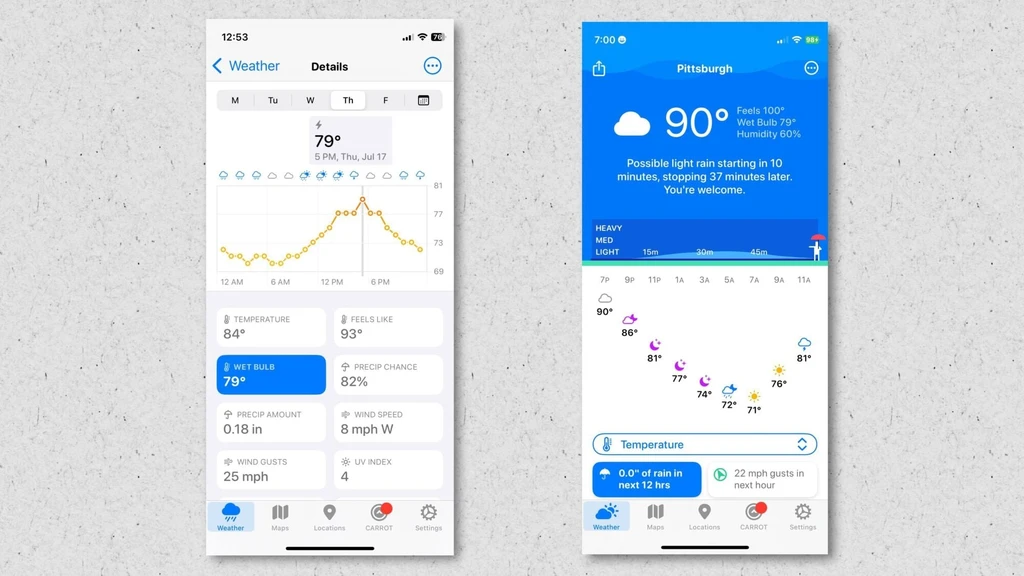
The American College of Sports Medicine provides clear guidance. For non-acclimated individuals, a WBGT above 78 requires restricted duration and intensity. At 82, the risk is high and significant rest is mandatory. All outdoor activity should cease when the WBGT surpasses 86.
For heat-adapted athletes, intense exercise should be limited above a WBGT of 86. The danger becomes too great for any acclimatized athlete at 90 degrees WBGT. Beyond monitoring the metric, standard heat safety remains vital: hydrate aggressively, seek shade, and recognize symptoms of heat exhaustion and heatstroke immediately.