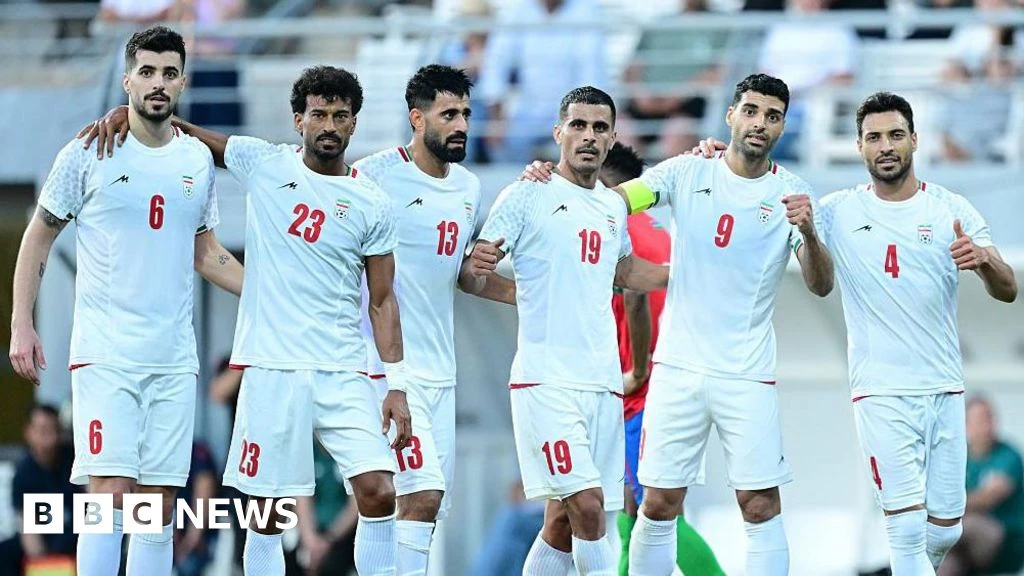
Iran's national football team has arrived in North America for the 2026 World Cup after one of the most complicated preparatory journeys in tournament history.
Last-minute US visas for players were only approved on Friday, while several staff members - including the head of the football federation, Mehdi Taj - were denied entry. The US State Department stated it would not allow the team to "abuse this system to sneak terrorists into the United States under false pretences."
The team was originally set to train in Tucson, Arizona, but FIFA approved a relocation to Tijuana, Mexico, amid ongoing military hostilities between the US, Israel, and Iran. All three group-stage matches - against New Zealand, Belgium, and Egypt - will be played on US soil.
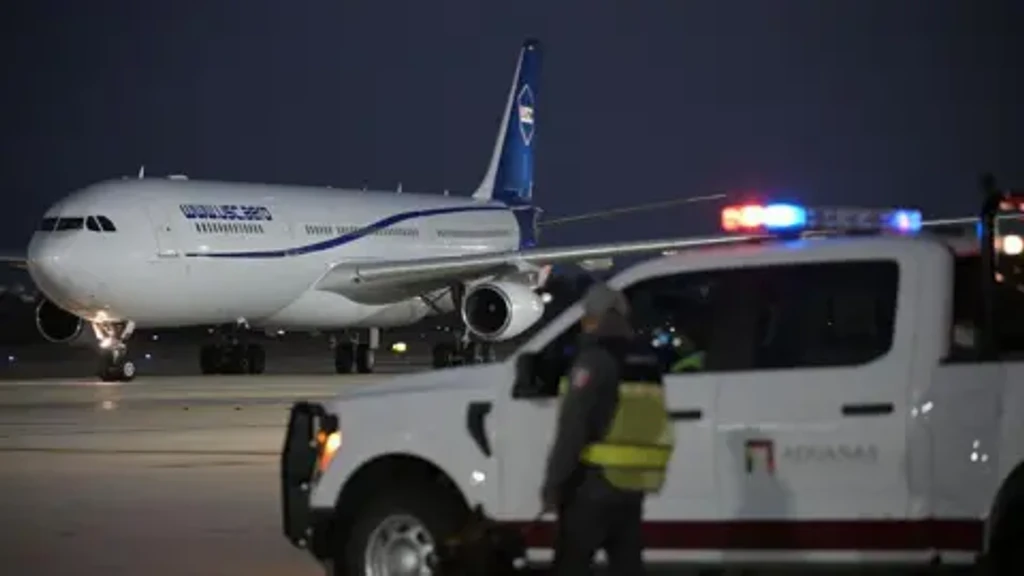
Diplomatic tensions between Tehran and Washington have been frozen since the 1979 hostage crisis. Football has occasionally bridged that divide, most memorably at the 1998 World Cup when Iranian players gave white roses to the US team. The two sides could meet again in the knockout stage this time.
At home, the team's relationship with fans is more fragile. Protests and a severe government crackdown - which human rights groups say killed thousands - have fractured public consensus. While millions still support Team Melli, others view the squad as too closely tied to the regime.
On the pitch, Iran has never advanced past the group stage. The expanded 48-team format offers its best chance yet - but the narrative is no longer just about football.