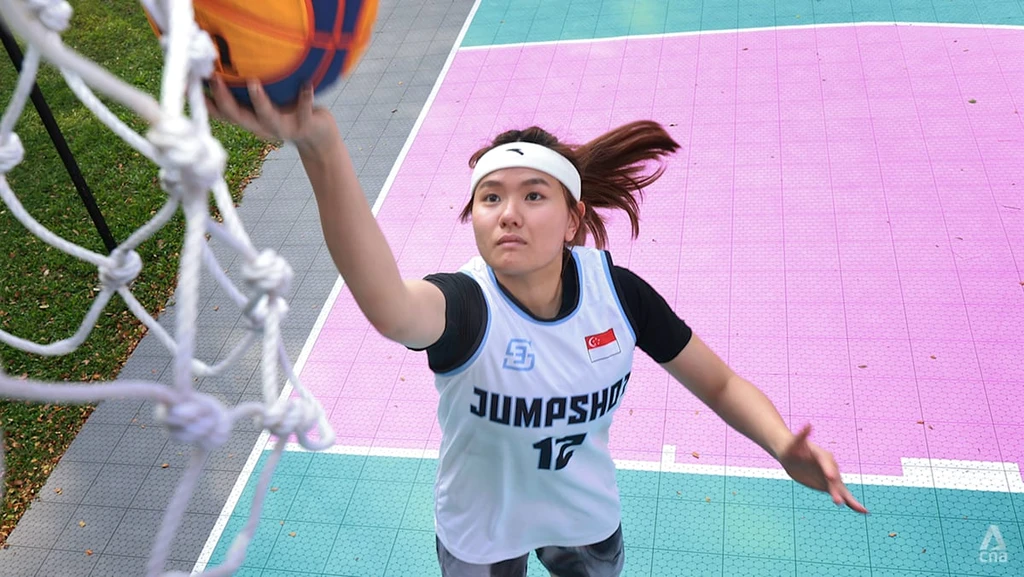
Ms Tan Kang Yi's entry into professional basketball was less a choice and more a destiny, initiated by a significant growth spurt in primary school. Her height, reaching 1.77m, led her to basketball courts and eventually to Raffles Junior College after a near miss due to academic results. This path, guided by her father's encouragement, propelled her into the sport.
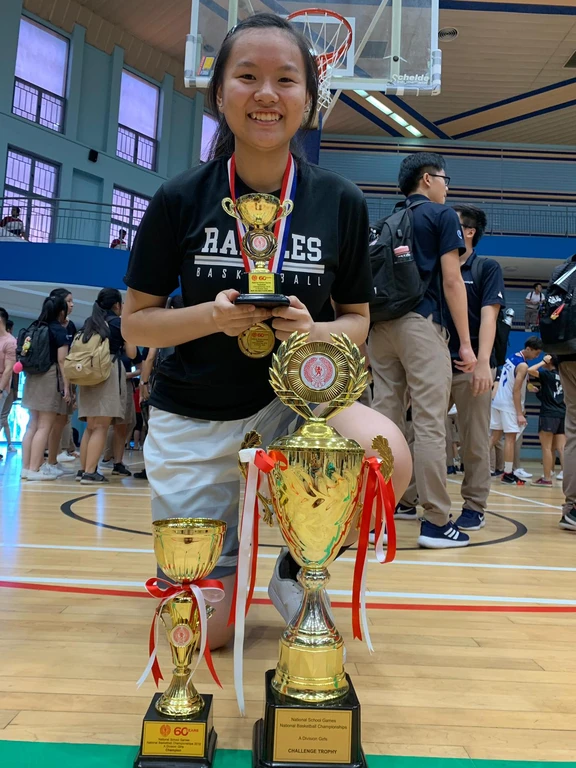
During a gap year, a chance meeting with her former coach, Esther Quek, CEO of Jumpshot Singapore, introduced her to the dynamic world of 3x3 basketball. Quek, rebuilding her academy's women's team, saw potential in Tan for the faster-paced, half-court urban format that debuted in the Tokyo Olympics.
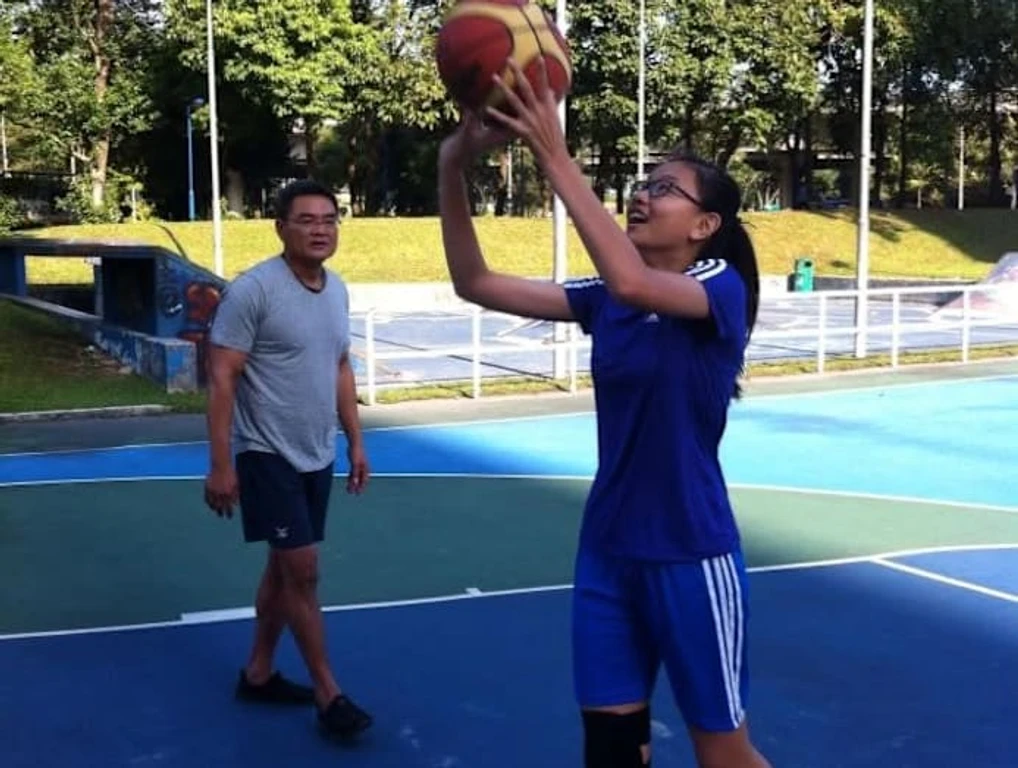
Tan's journey contrasts with the high-pressure, early-specialization model often seen in young athletes. Her parents fostered a laid-back environment, allowing her freedom to pursue her interests without overt pressure, a stark difference to the intense schedules of many aspiring athletes.
Officially turning pro in July 2025, Tan Kang Yi became Singapore's first professional 3x3 player. She quickly made international inroads, joining Filipino teams Uratex Tibay and Uratex Dream for tournaments in Manila and Thailand. A standout performance in the Manila Hustle 3x3 saw her named top scorer with 15 points and the winning shot, a career highlight.
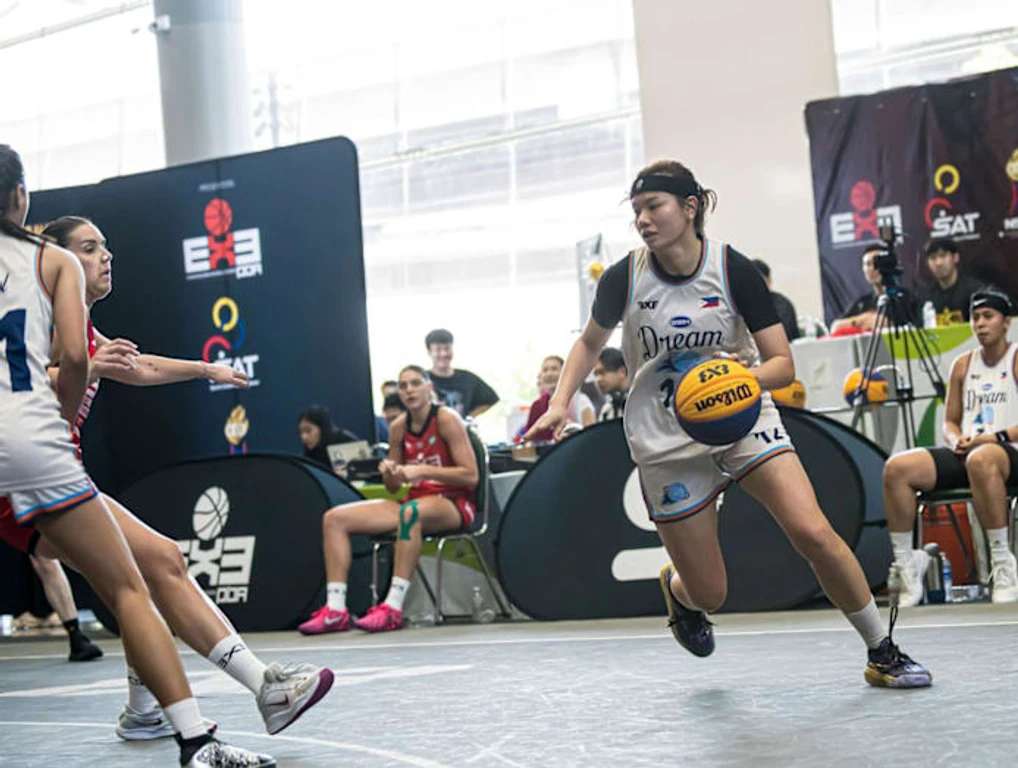
Competing internationally against stronger players has been a significant growth area, exposing her to diverse basketball styles and levels. Beyond playing, Tan coaches at Jumpshot, emphasizing the importance of intrinsic motivation and ample space for young athletes to grow, akin to nurturing plants.
To manage the pressure of professional performance, Tan utilizes journaling to document her training, feedback, and emotions. This practice aids her in processing setbacks and building resilience, supported by her natural optimism and a strong support system. She believes in learning from challenges and moving forward, underscoring the importance of active rest and allowing children to develop at their own pace.