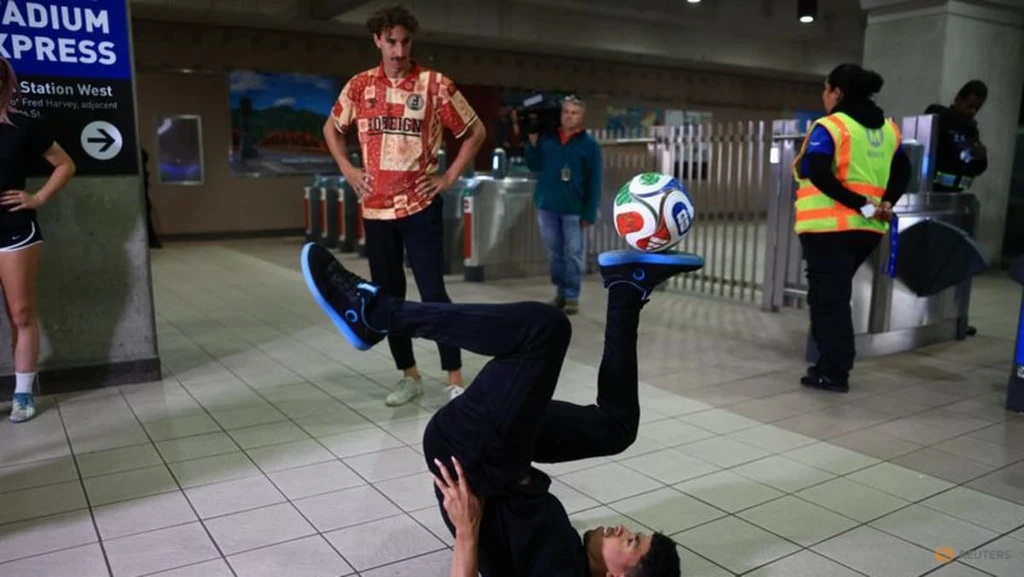
The 2026 World Cup is a critical audition for North American rail and bus operators. With 104 matches across 16 cities in the U.S., Mexico, and Canada, ground transportation companies see a chance to attract a new audience, especially as air travel becomes more expensive and congested.
"We want you to use our system seamlessly," said Conan Cheung, COO of LA Metro, which hosts the U.S. opener. The event is a chance to showcase alternatives to cars, but the pressure is on to deliver a positive experience.
"Transit has an opportunity to serve people who don't typically ride," said Yonah Freemark of the Urban Institute. But operators face a tricky balance between luring new customers and maintaining affordable service for daily commuters.
FlixBus and Greyhound report strong demand for intercity routes. CEO Kai Boysan says, "Every Flix experience needs to be a happy one. This is a great opportunity."
However, price hikes are drawing criticism. NJ Transit drew outrage for a $150 round-trip fare to the final, later reduced to $98 after a public backlash. One New Jersey Senator called the original fare a "ripoff."
In contrast, Philadelphia offers free rides home from matches, and LA Metro will keep its regular $1.75 fare. Amtrak is also preparing to accommodate fans traveling between cities.
The World Cup could be a breakthrough for sustainable travel in North America-if operators can balance cost, capacity, and customer satisfaction.