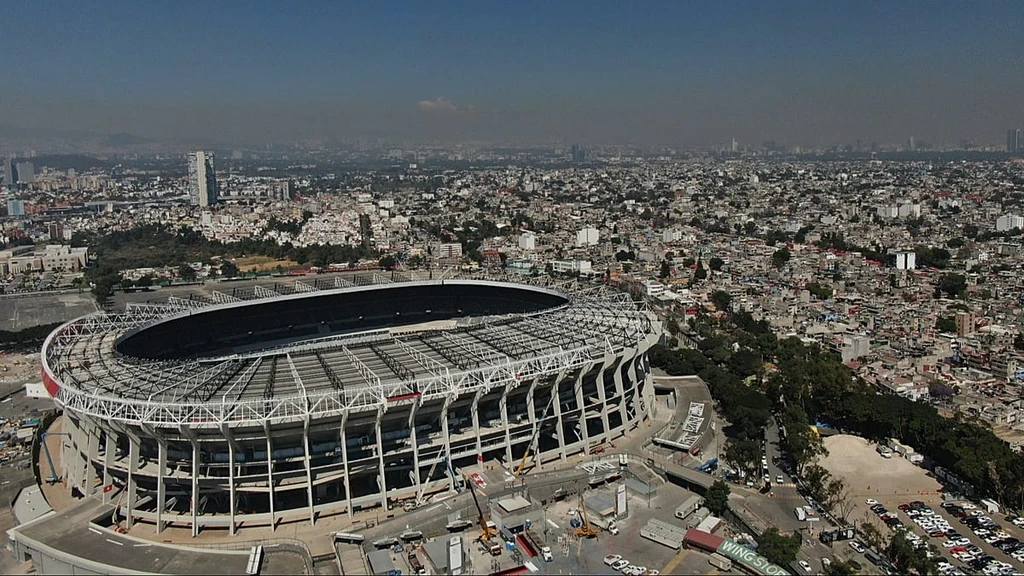
The 2026 World Cup, hosted across the United States, Canada, and Mexico, is on track to become the most polluting tournament in football history, according to a report from the New Weather Institute.
The study estimates the event will generate at least nine million tonnes of CO2 equivalent-nearly double the average of past tournaments. In a worst-case scenario, emissions could reach 15 million tonnes.
The expanded format features 48 teams and 104 matches, a 63% increase over previous editions. With 16 host cities spread across thousands of miles, teams and fans will depend heavily on air travel, which is expected to account for over 7.7 million tonnes of CO2-the vast majority of total emissions. Flight-related emissions could rise 160% to 325% compared to earlier World Cups.
Unlike Europe or Asia, North America lacks extensive high-speed rail networks, leaving few sustainable transport alternatives. The report criticizes FIFA's climate strategy, calling it a 'blind spot,' and warns that the tournament's structural reliance on long-distance travel could worsen the climate crisis.
FIFA maintains it will implement a sustainability strategy focused on reducing impacts and leaving a positive legacy, but the report argues these measures are unlikely to offset the tournament's core environmental footprint.