
The FIFA Council has approved a record-breaking $727 million financial contribution for the 2026 World Cup. This allocation represents a significant 50 percent increase from the 2022 Qatar tournament, driven by the expansion to 48 participating teams and logistical costs across three host nations.
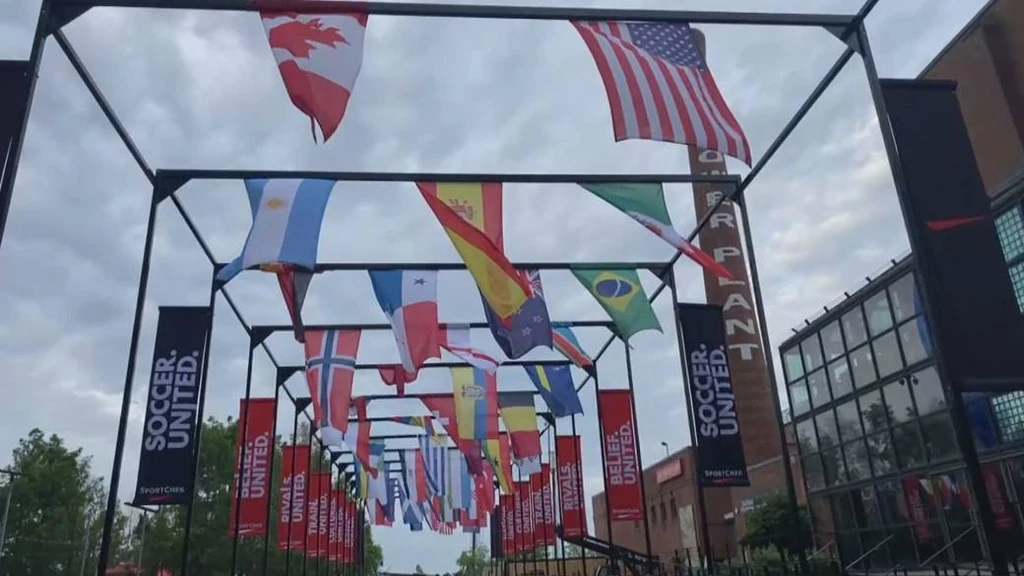
Tournament champions will receive $50 million, while runners-up secure $33 million. Crucially, every qualified federation is guaranteed a minimum of $10.5 million, comprising performance-based prize money and $1.5 million in preparation funding. This structure ensures substantial returns even for teams eliminated during the group stage.
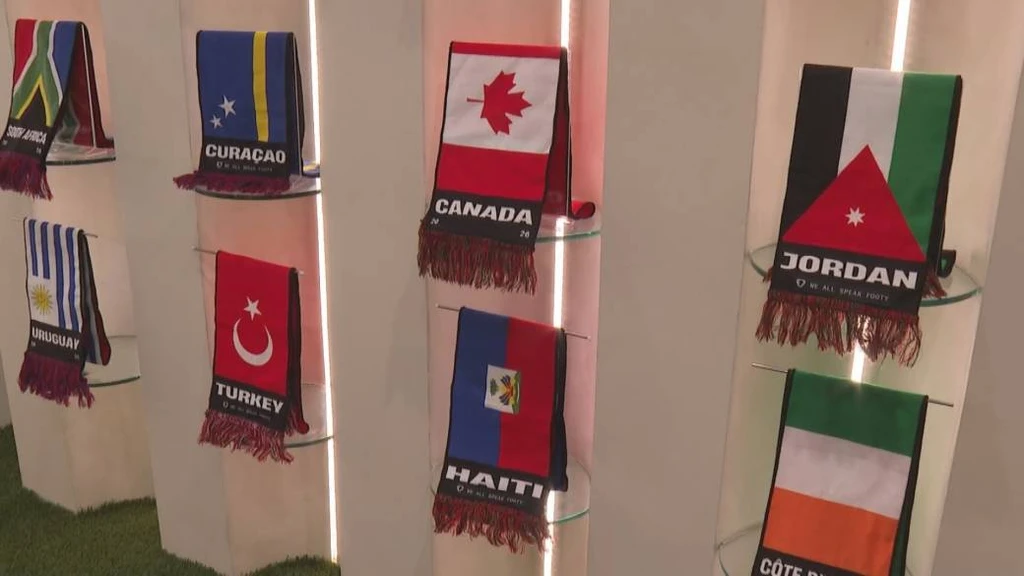
FIFA distributes these funds directly to national federations rather than individual athletes. In response, both Canada Soccer and U.S. Soccer have implemented collective bargaining agreements mandating equitable revenue sharing. Canadian players secured $25,000 per group-stage match, while U.S. teams pool and split 80 percent of their respective FIFA payouts through 2028.
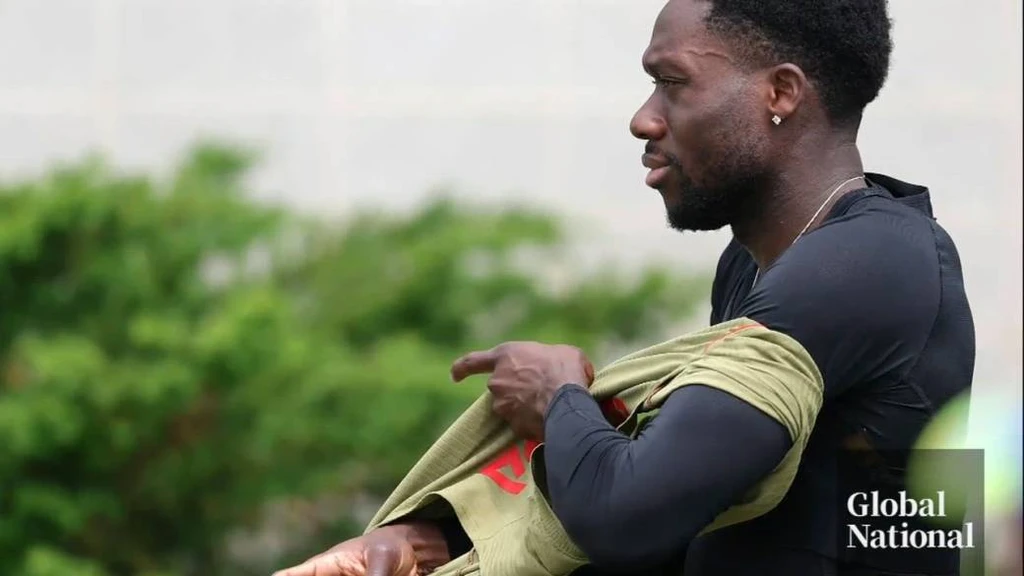
This financial framework marks a definitive shift in global sports economics. By guaranteeing nine-figure base payouts and enforcing standardized player compensation, FIFA has transformed the World Cup into a high-stakes financial vehicle that extends far beyond athletic prestige.