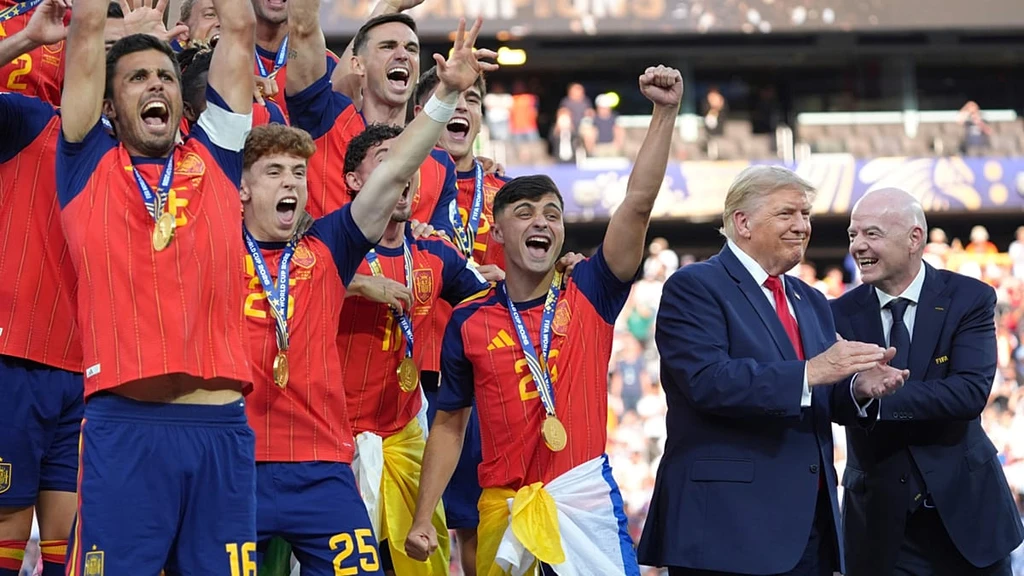
Following Spain's 1-0 victory over Argentina in the World Cup final, a parallel tournament of online disinformation unfolded, featuring AI-generated videos and fabricated narratives that went viral.
Erling Haaland was a primary target. A fake video of the striker reacting to his reflection amassed over 40 million views. More dangerously, a fabricated clip showed him allegedly pledging support for Argentina over England, citing a false claim about the Falkland Islands.
Haaland was not alone. England's Jude Bellingham was falsely quoted calling Messi his idol and accusing FIFA of corruption-statements he never made.
A major conspiracy theory alleged the tournament was rigged for Argentina. This narrative intensified after controversial refereeing decisions in Argentina's match against Egypt, prompting a formal complaint from the Egyptian Football Association to FIFA.
Supporting the theory were AI-generated images, including one of Israeli Prime Minister Benjamin Netanyahu in an Argentina jersey and another of FIFA President Gianni Infantino injecting a substance into Lionel Messi's arm. Both were fabricated.
Other viral fakes included a doctored clip of Messi feigning injury and a misleading image of a referee with the player. None of the claims were supported by official evidence, highlighting the pervasive challenge of AI-powered misinformation.