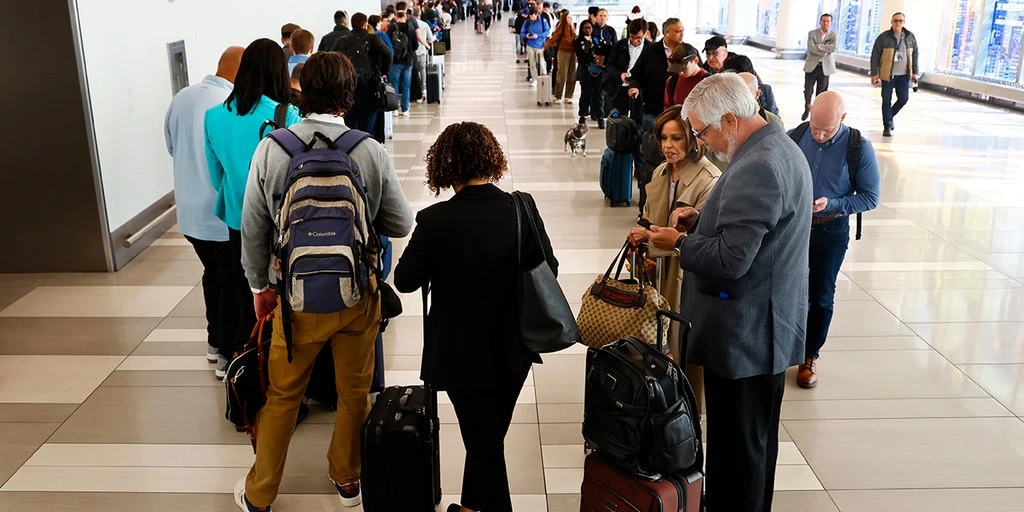
The Federal Aviation Administration is testing a new artificial intelligence system designed to predict air traffic congestion weeks in advance, aiming to reduce the growing number of flight delays.
The system, called Strategic Management of Airspace Routing Trajectories (SMART), analyzes flight patterns far ahead and suggests small schedule shifts-like moving a flight five or ten minutes earlier-to ease bottlenecks across thousands of flights.
Transportation Secretary Sean Duffy says the system could help planners spot problems weeks out, smoothing schedules before delays compound. The project is part of a broader push to modernize air traffic control, with an estimated cost of $12 billion.
The government is working with three private firms: Palantir Technologies, Thales SA, and Air Space Intelligence. Each is competing to shape how SMART operates.
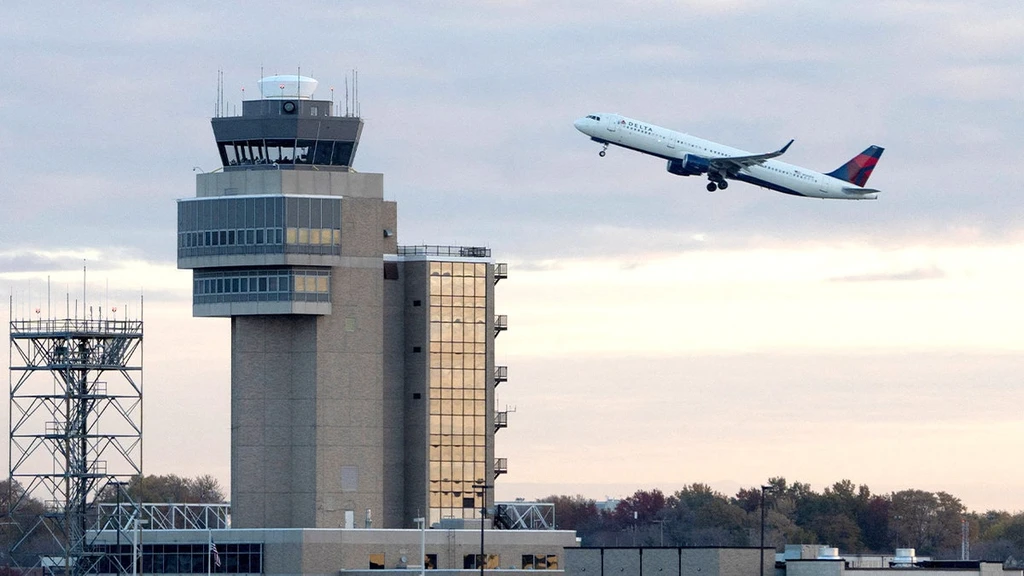
Supporters believe AI can identify patterns humans miss, such as routes that clog at certain times of year. Adjustments could be made before tickets are even sold.
But there are concerns. AI systems can produce errors, including confidently wrong outputs known as hallucinations. The FAA's last major overhaul, NextGen, cost $36 billion over two decades but delivered only 16% of expected benefits. Duffy has stressed SMART will support human controllers, not replace them.