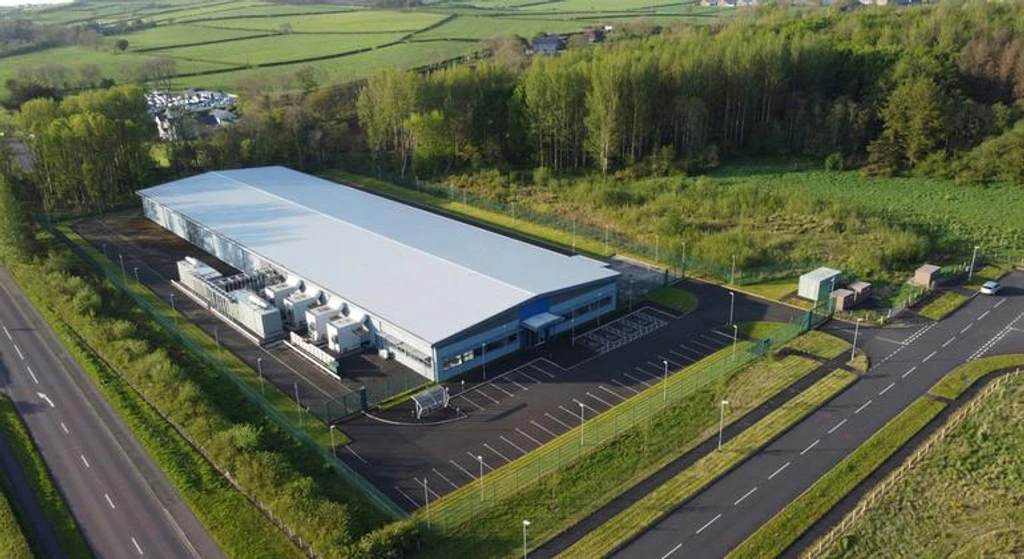
Data centers powering AI could consume 945 terawatt-hours of electricity annually by 2030, nearly triple the combined usage of Pakistan, Bangladesh, and Nigeria. But the carbon footprint is just the start.
A new UN University study reveals that AI-related water consumption by decade's end could equal the basic domestic needs of 1.3 billion people. The land footprint may exceed 14,500 square kilometers, roughly twice the size of Jakarta.
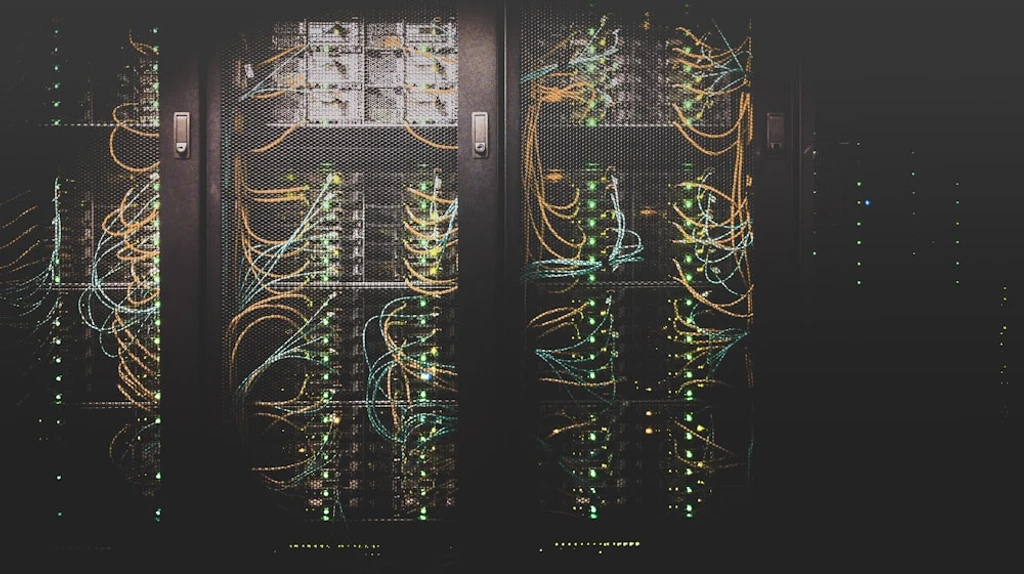
Greenhouse gas emissions from training large models have dominated the debate, but this overlooks other pressures. Solutions like renewable energy can reduce emissions while significantly increasing water use and land consumption.
Day-to-day AI usage accounts for 80 to 90 percent of total energy demand. One widely used AI service processes about 2.5 billion prompts daily, consuming hundreds of gigawatt-hours each year. Generating a single AI image can require over a thousand times the energy of text classification.
Environmental costs are concentrated locally while benefits are global. In some countries, data centers already consume a significant share of national electricity. Expanding facilities draw heavily on water supplies, sometimes amid drought. The report warns of a growing e-waste challenge, with AI infrastructure projected to generate up to 2.5 million tonnes annually by 2030, much of it in lower-income nations.

Over 90 percent of AI-specialized computing capacity is concentrated in the US and China, while more than 150 nations lack significant domestic AI infrastructure.
The UNU calls for a responsible AI ecosystem built on transparency, efficiency by design, and global cooperation. Governments must integrate AI into energy, water, and land-use planning. Companies should design systems that minimize resource consumption. Users can choose lower-impact applications.
The future of AI depends not only on innovation but on governance choices made today.