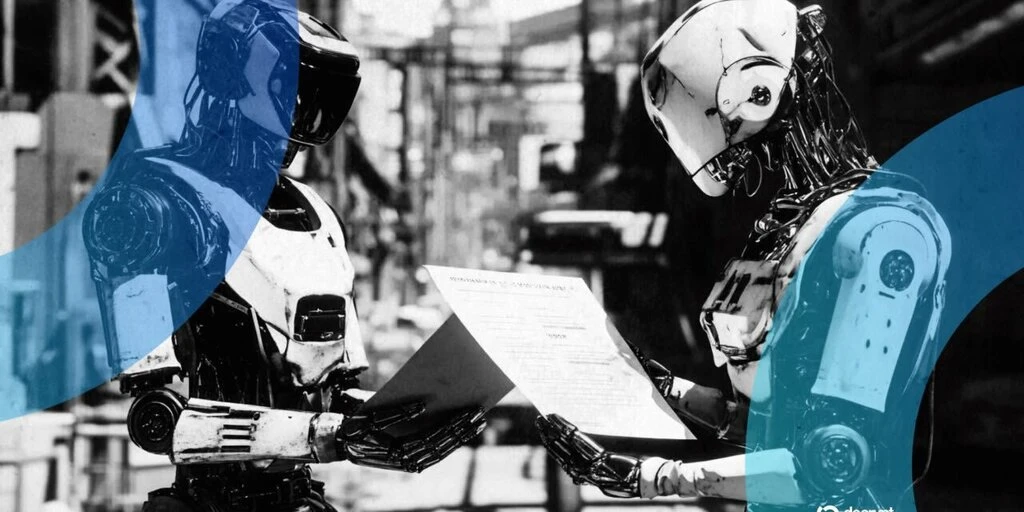
Artificial general intelligence-or AGI-refers to AI that learns, reasons, and acts across diverse tasks at human-level adaptability. Today’s leading models, including ChatGPT, Gemini, Grok, and Claude, remain narrow: powerful tools trained on vast data, not autonomous agents capable of genuine generalization.
Malo Bourgon of the Machine Intelligence Research Institute stresses autonomy as central: AGI must operate independently across environments-not just respond to prompts. Ben Goertzel of SingularityNET warns against conflating scale with intelligence: "They get there by having the whole internet crammed into their knowledge base," not by learning broadly.
Predictions diverge sharply. Elon Musk forecasts AGI by 2026; others see no clear threshold. Kyle Chan of Brookings notes China’s AI focus remains pragmatic-robotics, hardware, commercial deployment-rather than AGI speculation.
The real question isn’t labeling-it’s capability: What can these systems do, and how do they reshape labor, security, and innovation?