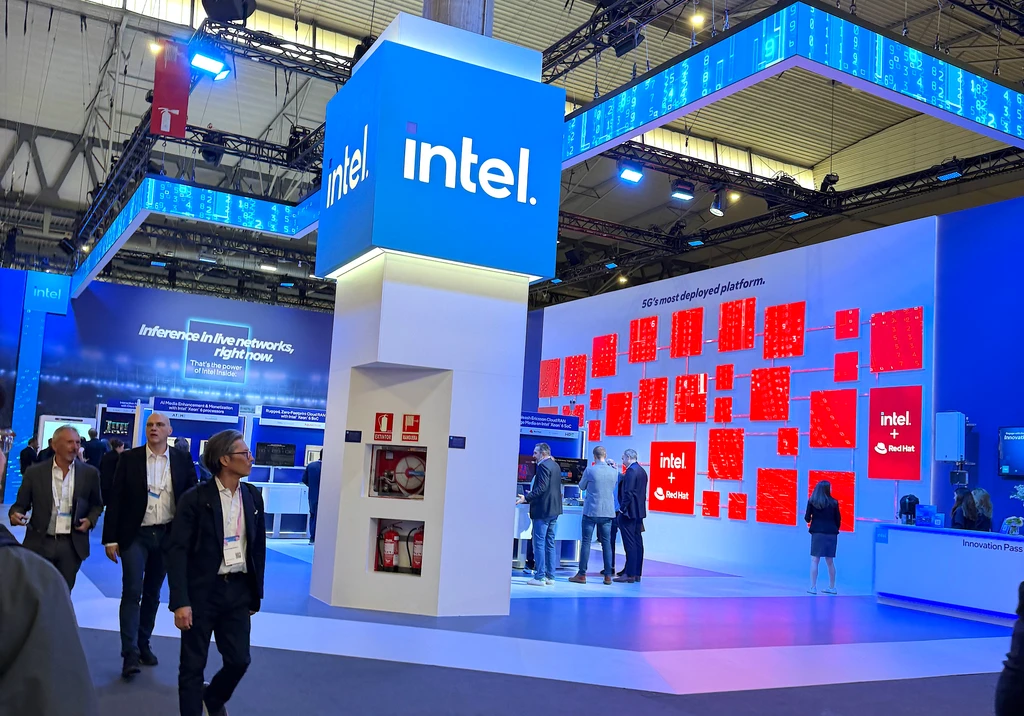
Discussions at MWC Barcelona highlighted a shift from 5G maturation to the "seamless path" toward 6G, raising questions about moving beyond infrastructure-for-infrastructure's-sake to intelligence-for-value.
The 6G evolution is not a "rip and replace" but an evolution toward an AI-native infrastructure, weaving intelligence into the silicon and network from day one. The telecom industry faces a chronic "value capture" problem, with 5G rollout revenue models stuck on legacy consumption-based billing rather than new, high-margin services.
Intel is attempting to break proprietary, walled-garden architectures with a "no moats" strategy, offering an open, common platform like the Xeon 6 family. Major operators including NTT, NTT DoCoMo, Vodafone, Rakuten Mobile, and SK Telecom are leveraging Intel's silicon for network modernization, virtualized RAN (vRAN), and AI-ready infrastructure.
This time may be different as the industry shifts focus from peak model science to operational scalability. The breakthrough lies in small language models and specialized inferencing tasks at the network edge, allowing for real-time optimization, predictive maintenance, and hardened security.
The success of 6G hinges on bridging "network efficiency" and "service innovation." The business model, not the technology, is the bottleneck. Winning operators will treat their networks as programmable, AI-native platforms capable of launching new, high-value services rapidly.