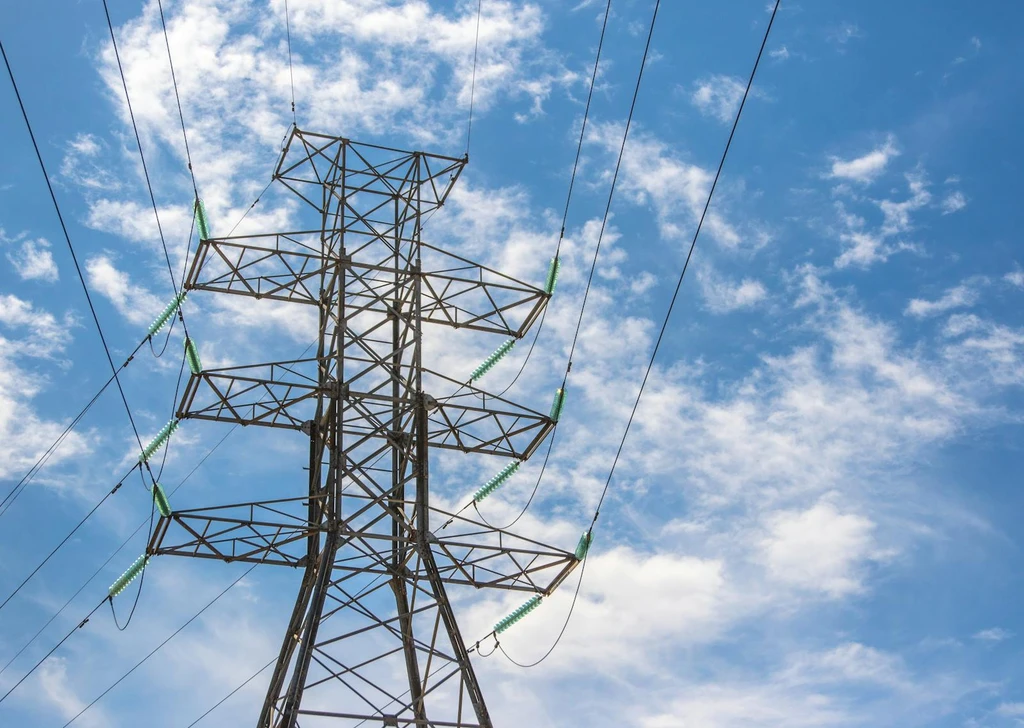
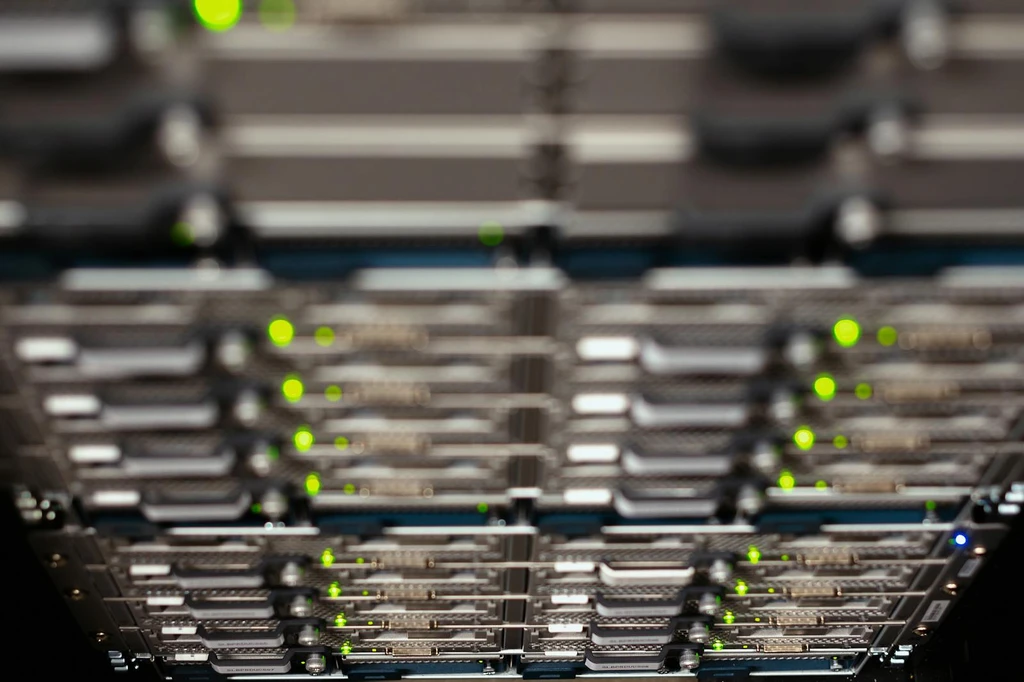
The question of what will power the electrical grid in 2035 is no longer academic. It's a high-stakes commercial race with hundreds of billions in capital hinging on the answer. Artificial intelligence is the catalyst. The massive buildout of data centers for large language models has created a new category of electricity consumer demanding uninterrupted, 24/7 power. This single variable has upended the assumptions of energy planners and opened a contest between natural gas, nuclear fission, nuclear fusion, and advanced renewables.
Natural gas remains the default choice for new U.S. power generation, but faces a critical bottleneck: supply chain capacity. Gas turbine manufacturers have waitlists extending into the early 2030s. This creates a five to seven year window where alternatives can establish commercial viability.
Nuclear fission startups are sprinting to fill that gap. Companies like Kairos Power, Oklo, X-energy, and Bill Gates-backed TerraPower are targeting commercial operations between 2028 and the early 2030s. Their bet is that modular manufacturing and standardized designs can follow the cost-reduction curve solar panels demonstrated. Tech companies, with enormous capital and willingness to sign long-term power purchase agreements, provide a new class of financially secure customer that nuclear projects have historically lacked.
The fusion energy sector has also crossed a critical threshold, moving from pure physics research toward commercial timelines.