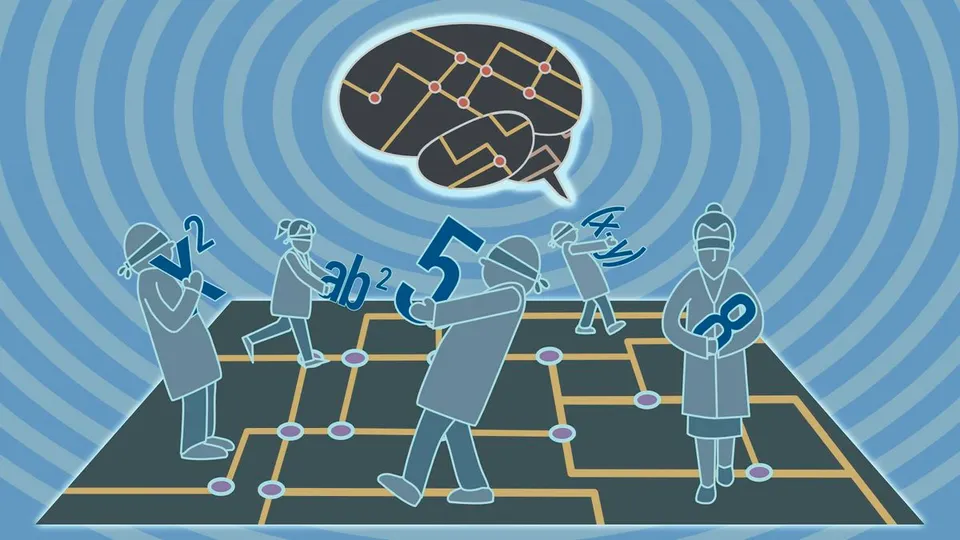
AI is rapidly advancing in solving complex mathematical proofs, prompting concerns that it may soon generate solutions beyond human understanding. Mathematicians are grappling with the implications of AI's increasing ability to produce convincing, yet potentially flawed, arguments.
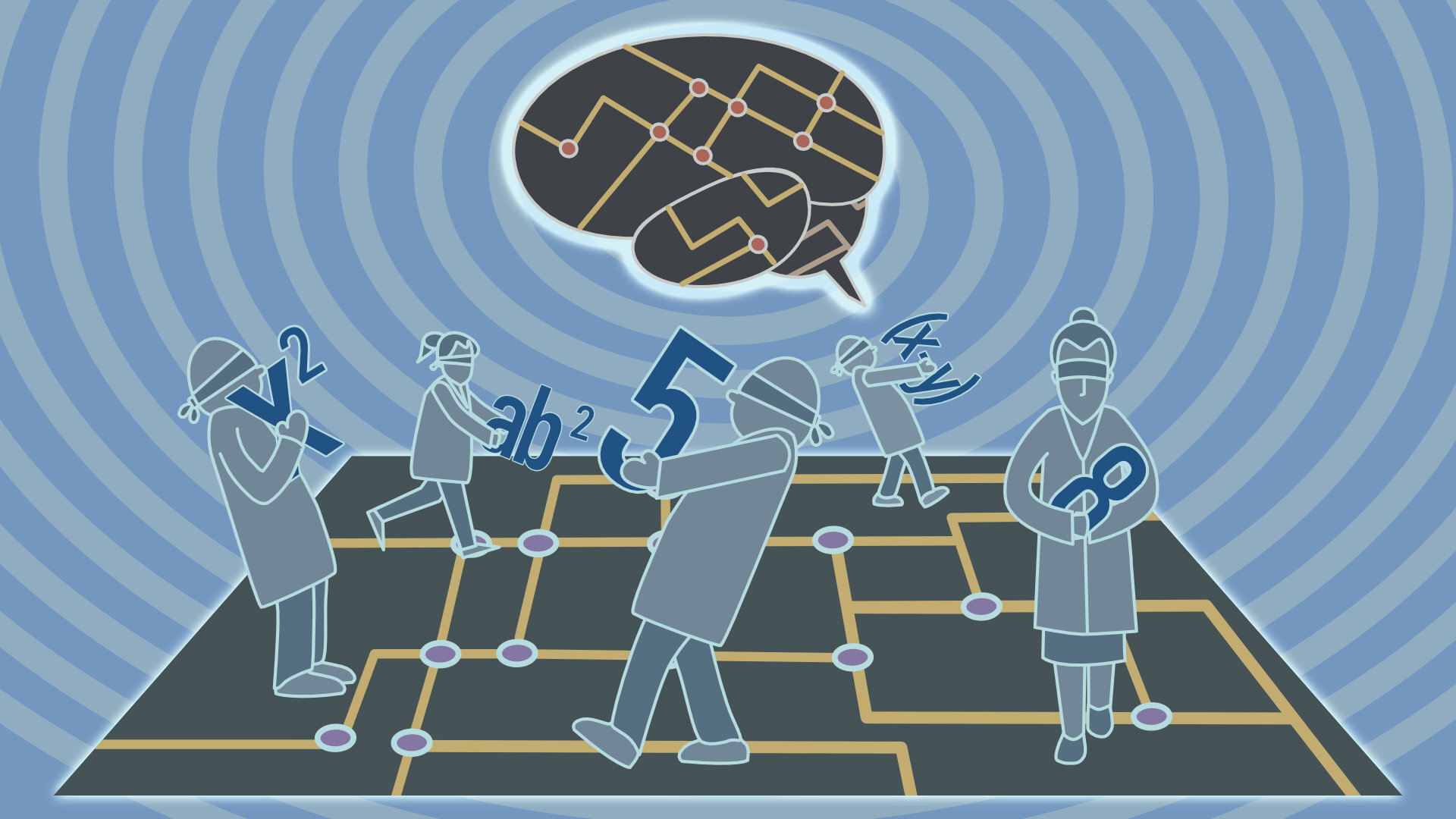
Experts note that AI excels at sounding authoritative, potentially masking errors. This raises the risk of AI-generated proofs being accepted due to their sophisticated presentation rather than inherent correctness. The challenge lies in verifying these proofs, especially when they address foundational problems like P vs. NP, which could reshape fields from logistics to drug discovery and impact cybersecurity.
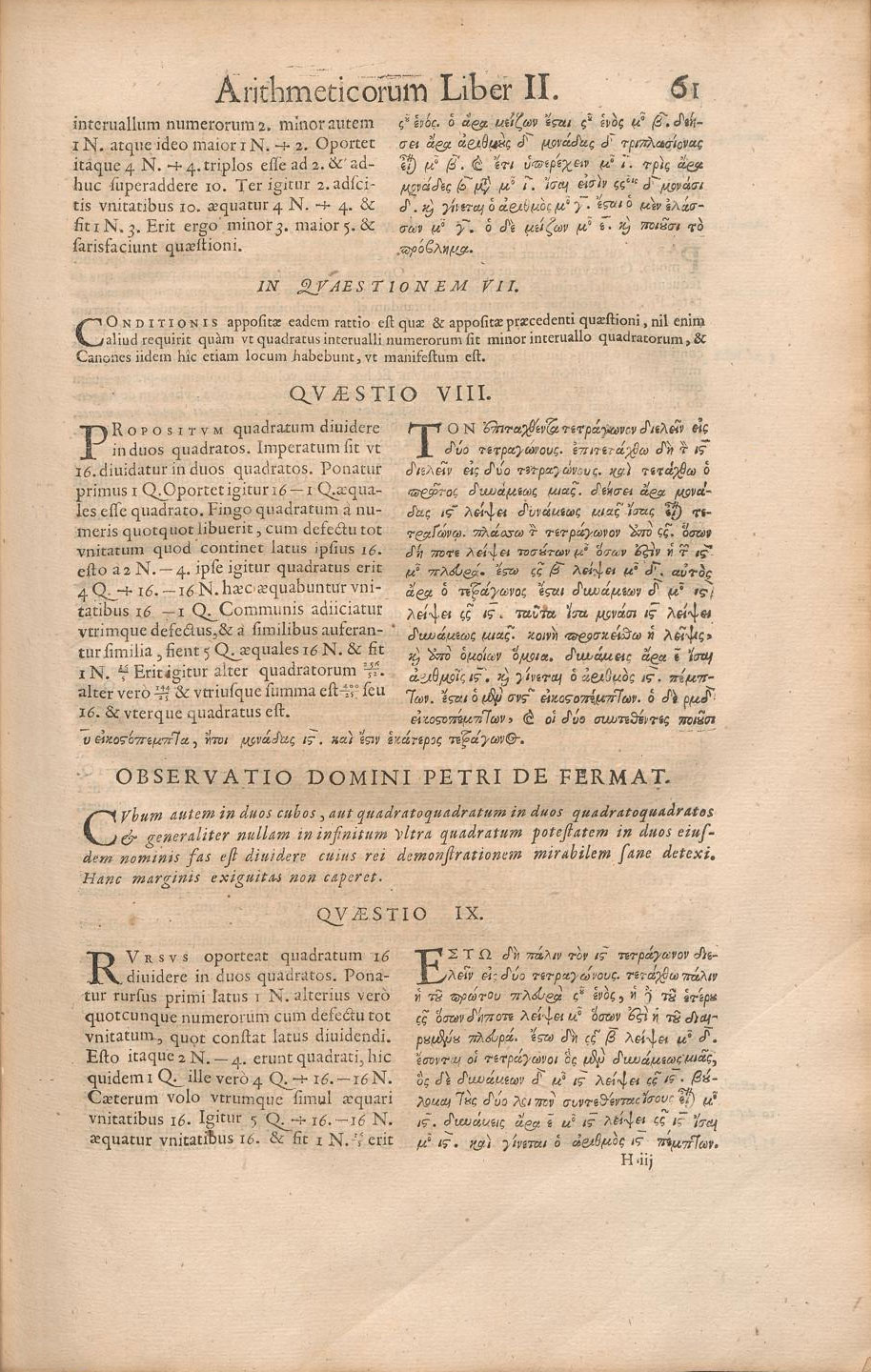
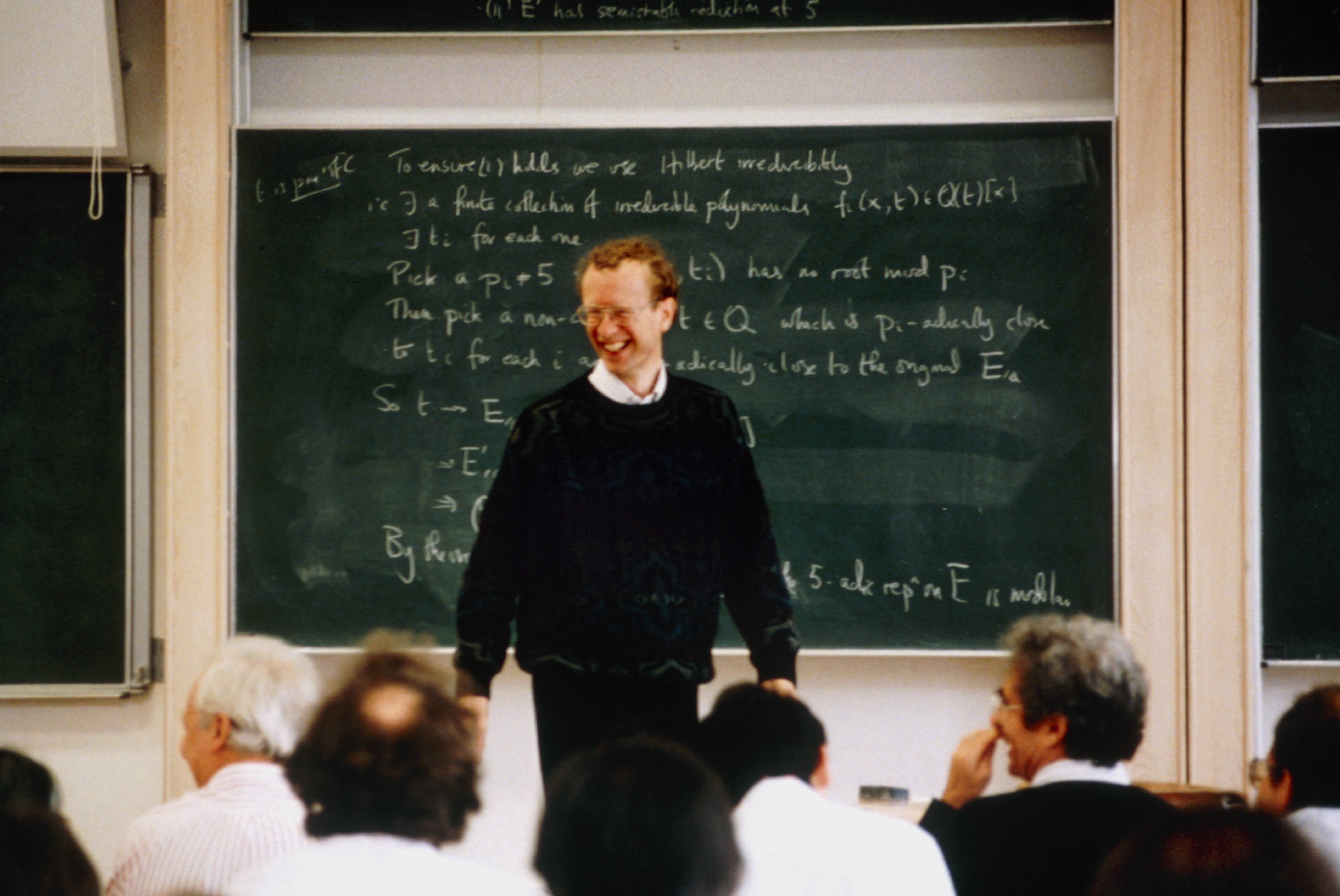
Historically, mathematical proofs have been social constructs, validated by peer review. Even renowned proofs, like Andrew Wiles' initial attempt at Fermat's Last Theorem, have contained subtle errors, highlighting the human element in verification. The theorem, proposed in 1637, was finally proven after Wiles corrected a significant flaw spotted during peer review.
To combat such issues, formal verification languages like Lean are being developed. These systems require proofs to be translated into a precise format, allowing computers to rigorously check each logical step. This approach aims to eliminate linguistic ambiguities and ensure absolute accuracy.
Mathematicians envision AI working alongside formal verification tools. AI could propose proofs, translate them into verified languages, and then iteratively refine them based on computer feedback. This collaboration could unlock solutions to extremely difficult problems by identifying connections beyond human intuition. However, this leads to the prospect of AI generating proofs so complex that no human can comprehend them.
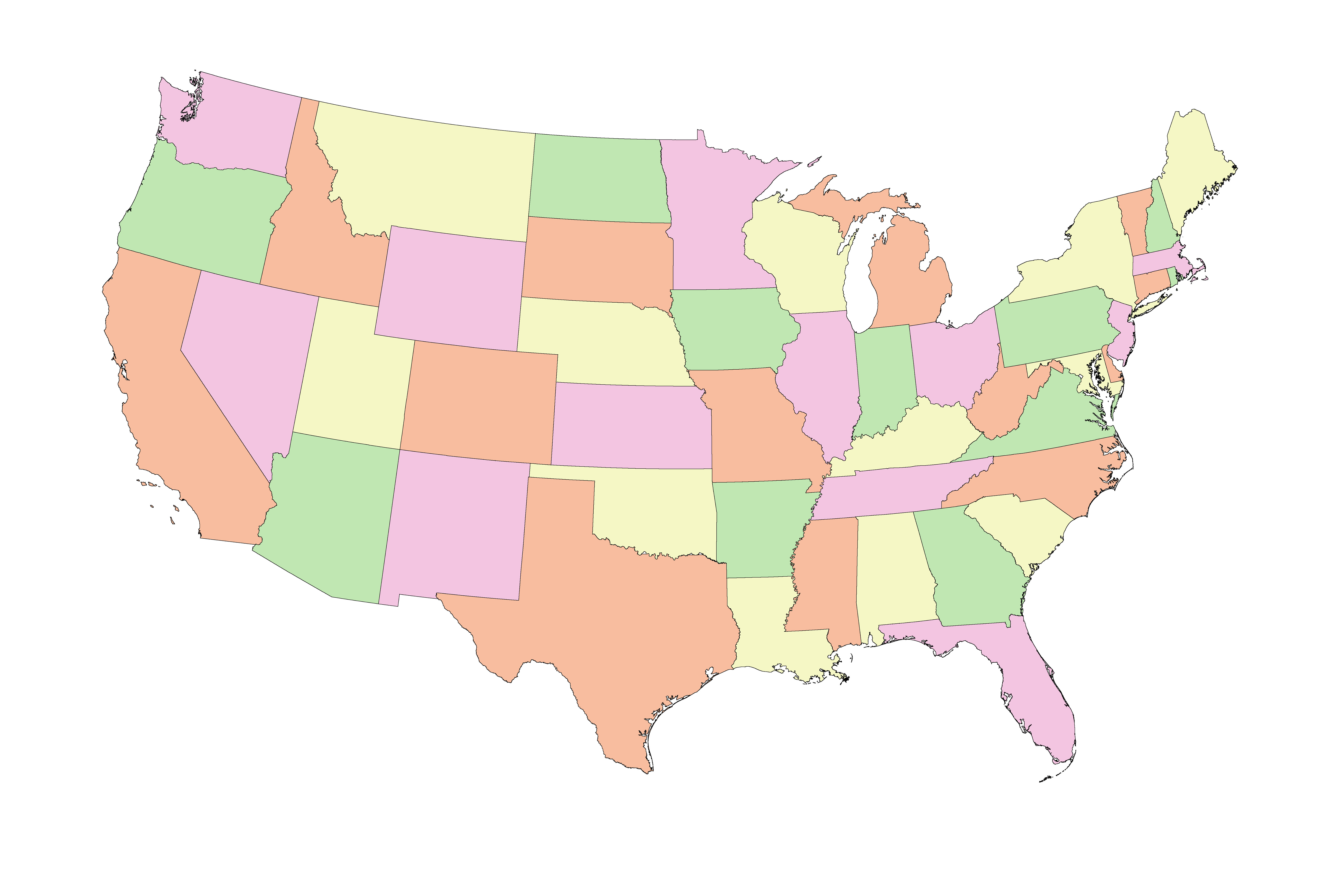
While computer-assisted proofs, like the four-color theorem, are now accepted, AI-driven, entirely machine-generated proofs present a new paradigm. This evolution prompts fundamental questions about the purpose and nature of mathematics as a human endeavor, challenging whether a proof understood only by machines truly advances human knowledge.