
Recent U.S. job market data shows sluggish growth, with AI disruptions adding to economic pressures. While proponents tout AI for efficiency breakthroughs, a significant gap is widening between this promise and actual business outcomes.
Claims of AI not impacting software coding jobs and tech job openings doubling are challenged by broader employment trends. In March, healthcare, construction, transportation, and social assistance saw the most job gains, not tech. Computing infrastructure and related services, however, experienced job decreases.
Goldman Sachs reports AI has eliminated an average of 16,000 jobs per month over the past year, particularly affecting entry-level roles. A SignalFire study indicates new graduate hiring has dropped 50% compared to pre-pandemic levels, citing smaller funding rounds, shrinking teams, and AI as contributing factors.
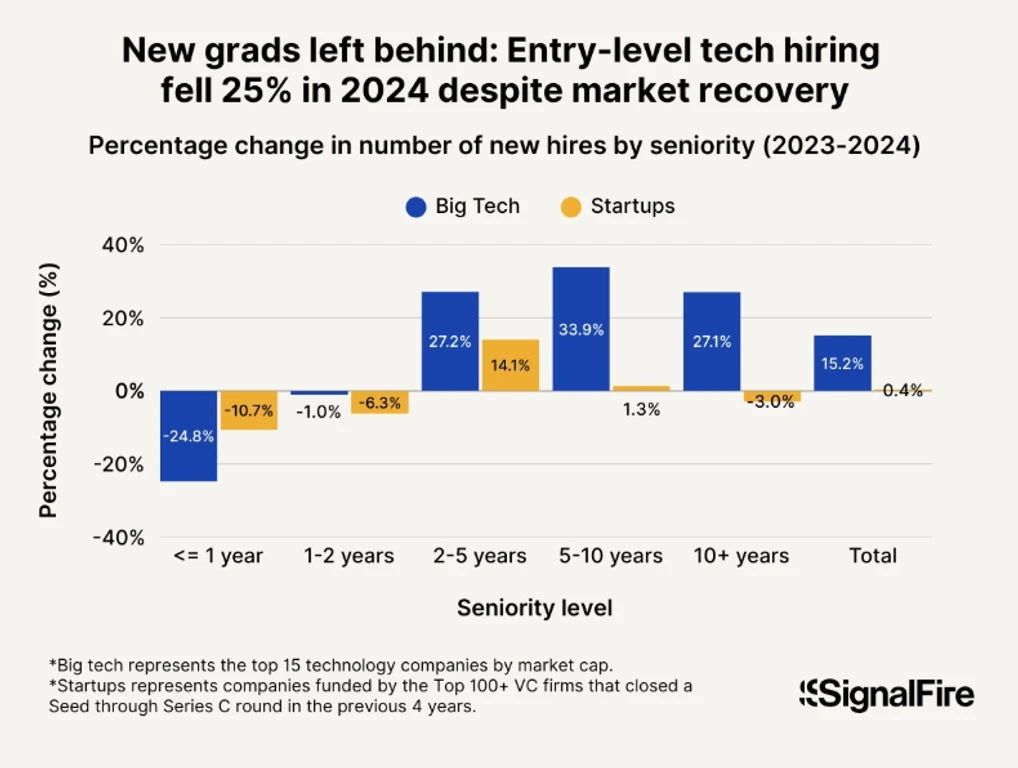
This AI-driven displacement could lead to long-term setbacks for workers, potentially forcing them into lower-skilled occupations. The theory that AI enhances workplace productivity is also being questioned.
While 80% of executives report weekly AI use and positive early returns, workers experience increased frustration. A Workday report suggests that for every 10 hours of AI efficiency gained, nearly four hours are lost fixing AI output. Generative AI also contributes to 'workslop' - content lacking substance that offloads cognitive labor onto coworkers, costing rework and eroding trust.
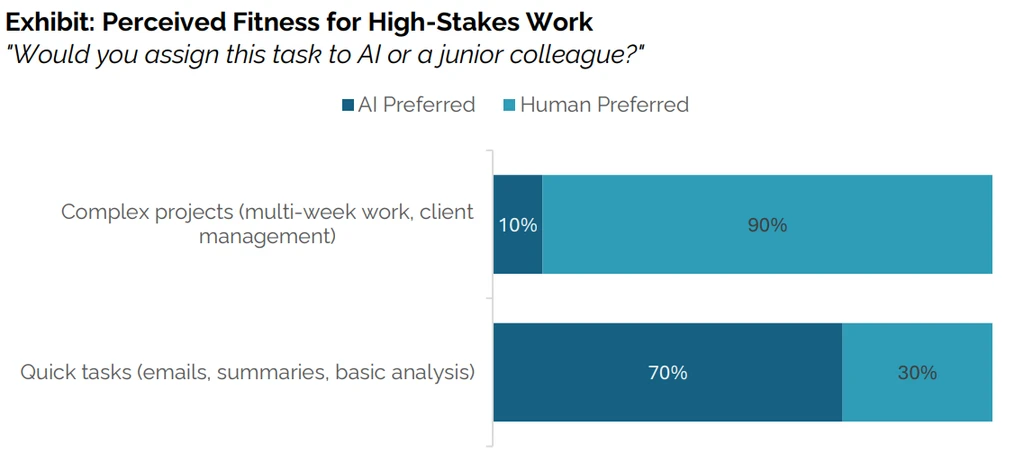
This divide exists because senior leaders often use AI for high-level tasks where it excels, while day-to-day operations face challenges with AI's current capabilities. This creates an 'AI tax' of increased checking, rework, and anxiety. OpenAI, acknowledging AI's employment impact, has proposed policy solutions like expanded healthcare and retirement savings.