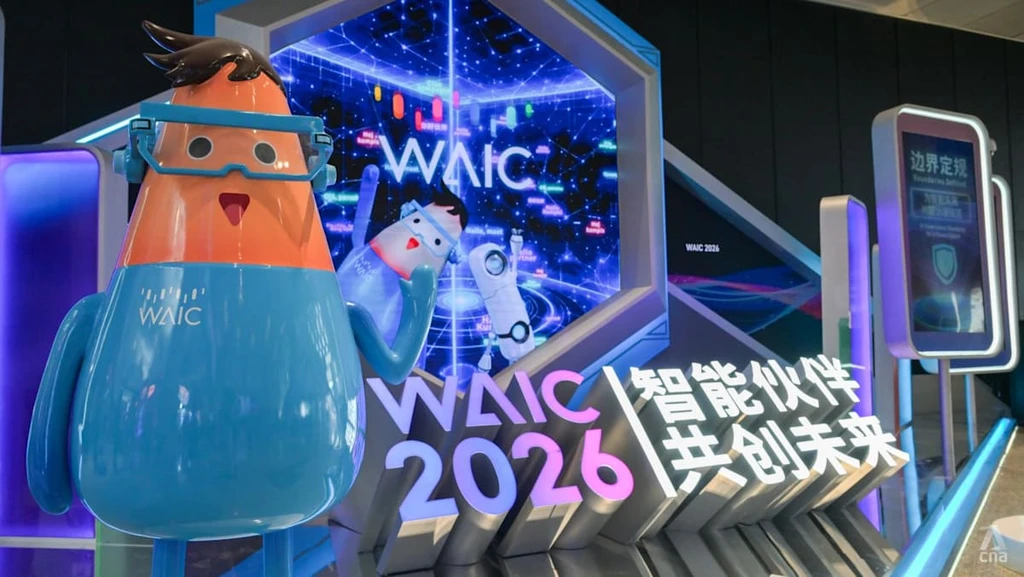
At the World Artificial Intelligence Conference in Shanghai, a new class of "agentic" smartphones was on display. These devices use built-in AI to handle tasks like composing messages and booking services with voice commands.
Nubia launched the NaviX Ultra, powered by ByteDance's Doubao chatbot. A previous "Doubao Phone" prototype faced immediate resistance. Tech giants Alibaba, Tencent, and JD.com quickly blocked the AI agent's access to their platforms, forcing ByteDance to limit its functionality.
Access is the core conflict. Kiranjeet Kaur of IDC says platforms want to maintain direct user relationships and "lose control" to a third-party agent. The performance of these AI tools is also still inconsistent.
Honor showed a "Robot Phone" with a flip-up camera on a robotic arm. It uses an AI system co-developed with Alibaba. Startup StepFun unveiled the STEPX Neo, claiming partnerships with Alipay and Didi for integrated services.
Internationally, Google is enhancing phone AI, and U.S. startup Brain Technologies launched an agent phone in Japan. Marc Einstein of Counterpoint Research notes there's "no clear winner" yet, but predicts these agents will fundamentally change the digital economy within a decade.