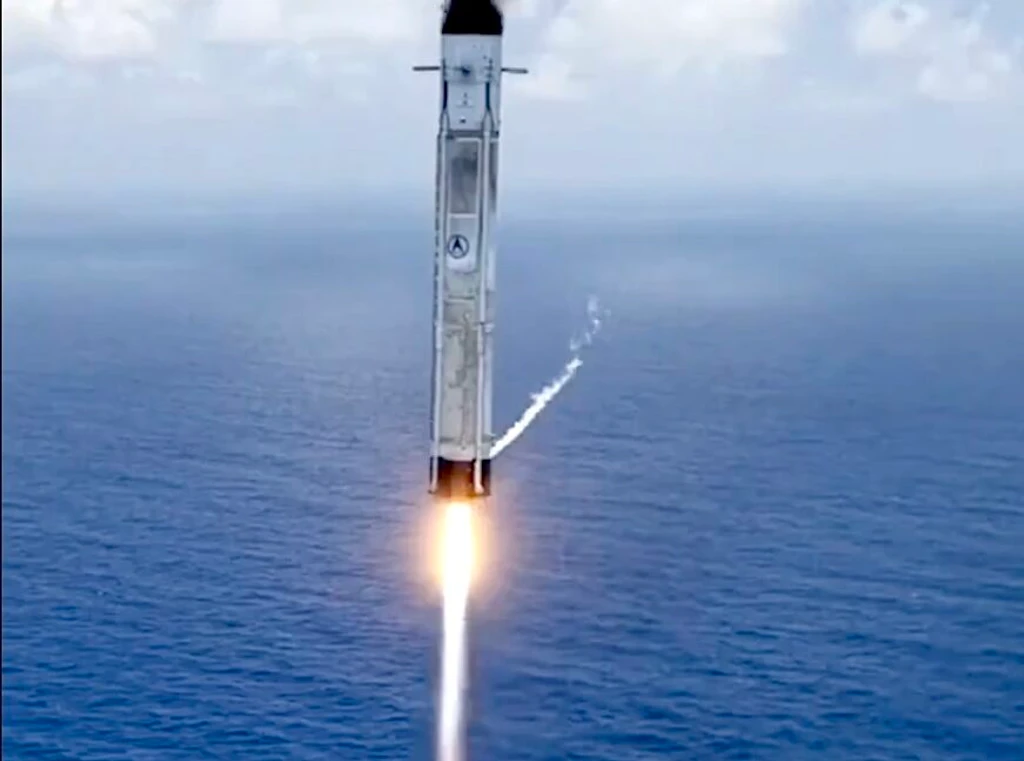
China's state-owned space contractor, CASC, has successfully recovered its first reusable orbital-class rocket booster. The Long March 10B was launched from Wenchang, Hainan Island.
The booster descended and was captured by tensioned cables on an offshore vessel. This method avoids landing legs, preserving payload capacity. China is now the third entity to achieve controlled rocket reuse, following SpaceX and Blue Origin.
The Long March 10B is a medium-lift rocket with a payload capacity similar to SpaceX's Falcon 9. This flight validated key technologies for a reusable launch system.
This achievement is a critical component of China's broader lunar ambitions. The country aims to land astronauts on the Moon by 2030 using a more powerful rocket that will incorporate three reusable boosters.
U.S. officials view China's progress in reusable rocketry as a potential challenge to American dominance in space. Increased launch capacity could accelerate China's deployment of its own satellite constellations.
Competition is intensifying globally, with multiple Chinese companies developing reusable rockets. Their combined launch sites and reusable technology could allow China to significantly increase its launch rate.