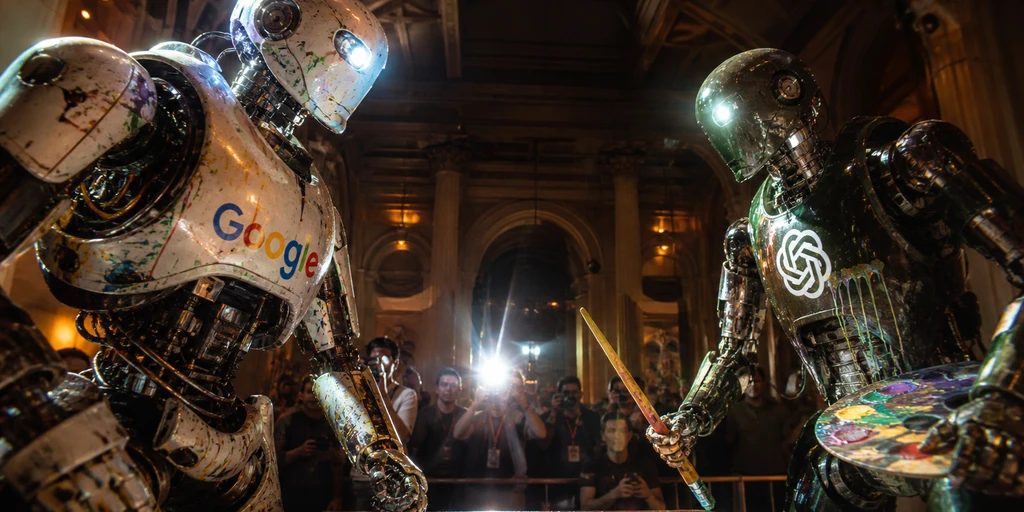
OpenAI has quietly launched GPT Image 2, an image generation model built on the GPT-5.4 backbone that features native reasoning. The model scores a record 242-point lead on the Image Arena leaderboard. Notably, OpenAI is retiring DALL-E 3 and GPT Image 1.5 on May 12.
GPT Image 2 boasts 99% character-level accuracy across Latin, CJK, Hindi, and Bengali scripts. It supports up to 4K resolution and can generate up to eight consistent images from a single prompt. Access is tiered: Instant Mode is free, while Thinking Mode-featuring reasoning and web search-requires a Plus, Pro, or Business subscription.
We compared GPT Image 2 against Google's Nano Banana 2 across seven categories.
Realism: Tie GPT Image 2 produced a cinematic portrait with correct lighting and lens effects. Nano Banana 2 had more natural skin and a genuine subject stare.
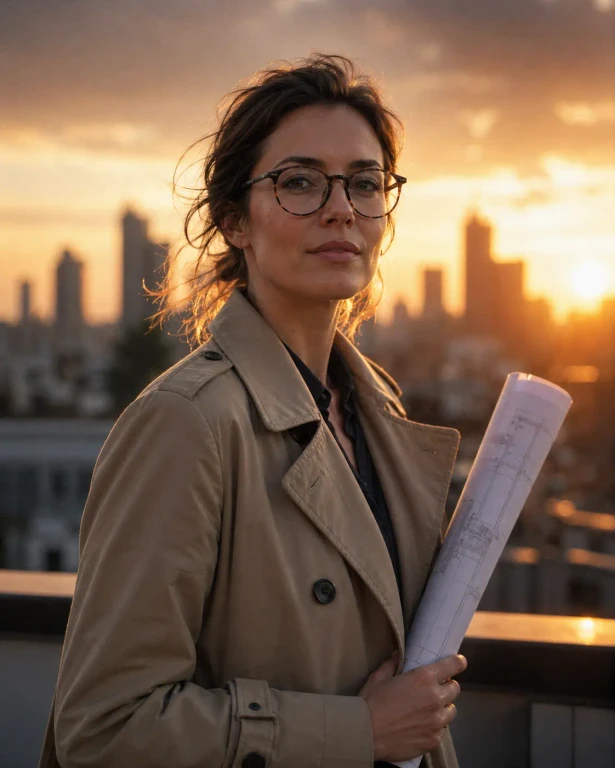
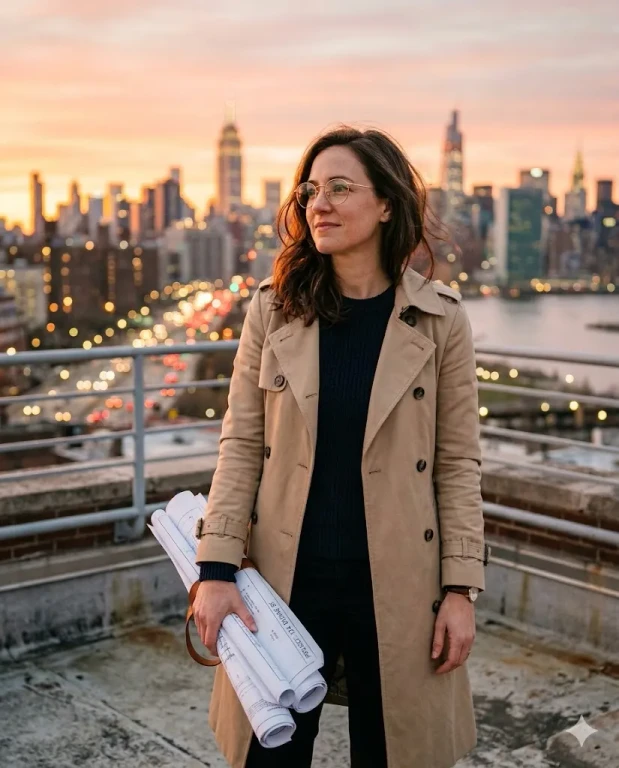
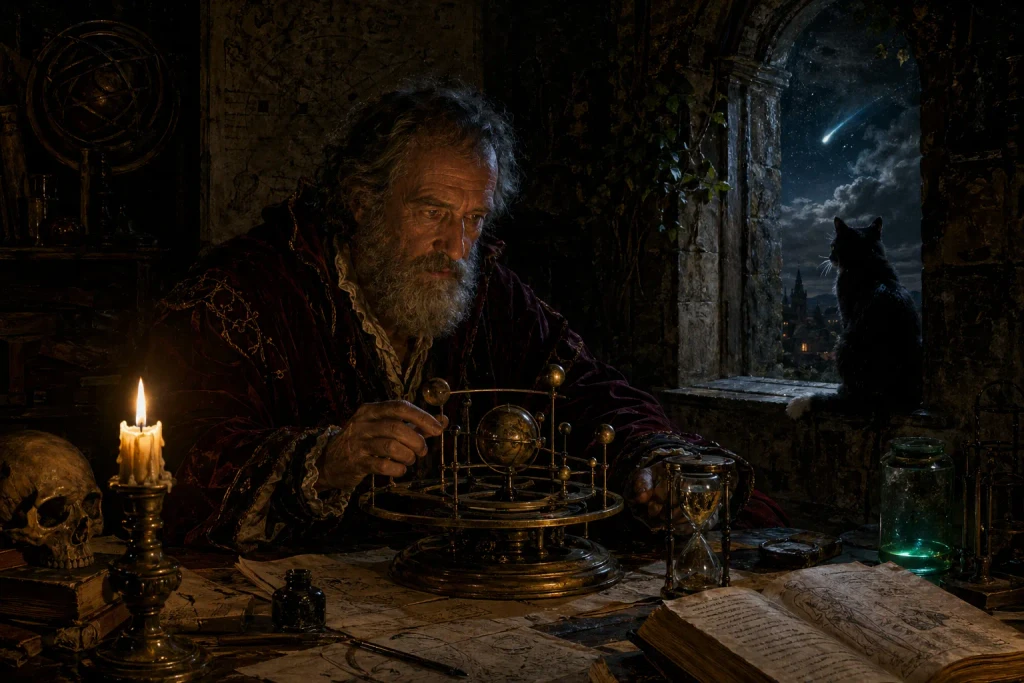
Art and Painting: GPT Image 2 GPT Image 2 correctly rendered multiple light sources and oil brushstroke texture. It slightly oversharpened with complex prompts.
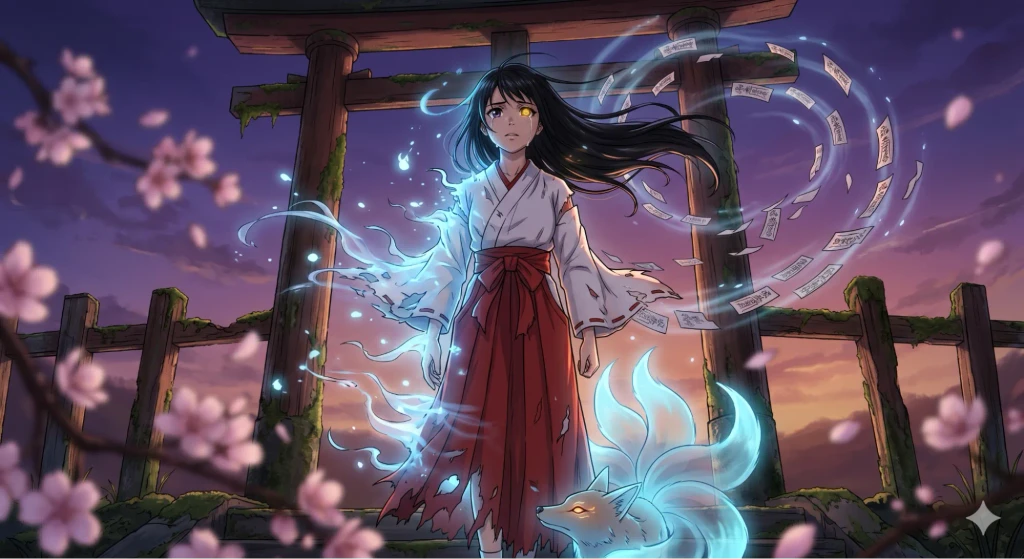
Anime Illustration: Nano Banana 2 Nano Banana 2 delivered a theatrical-quality key visual with proper cel shading and ink weight variation.
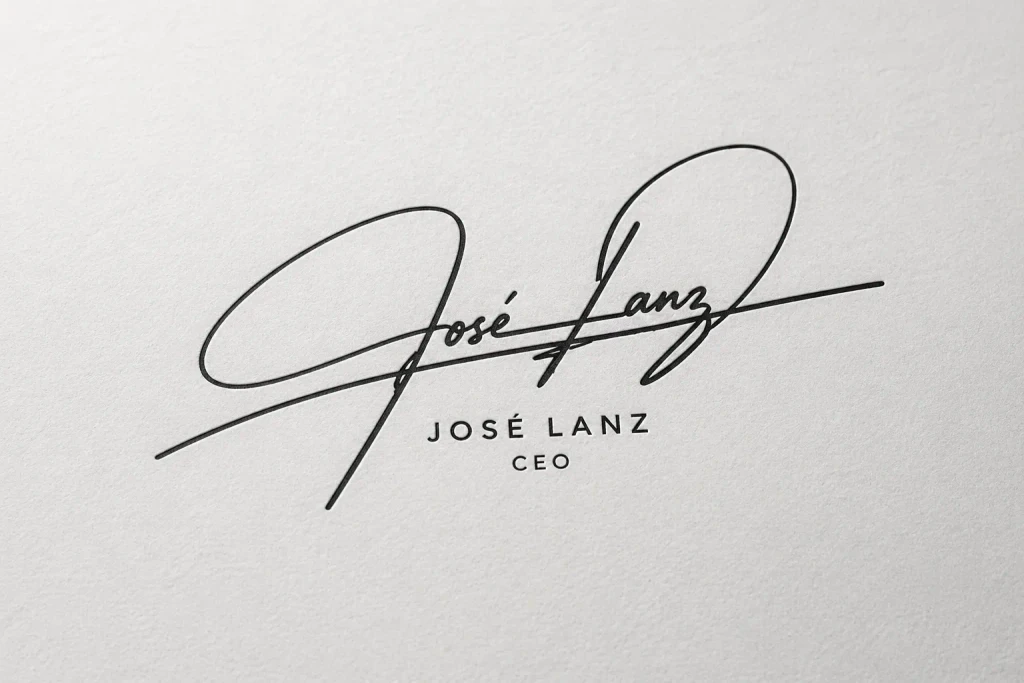
Signature Calligraphy: GPT Image 2 GPT Image 2 produced clean, legible cursive on textured paper. Nano Banana 2 generated illegible scrawl and reproduced a watermark.
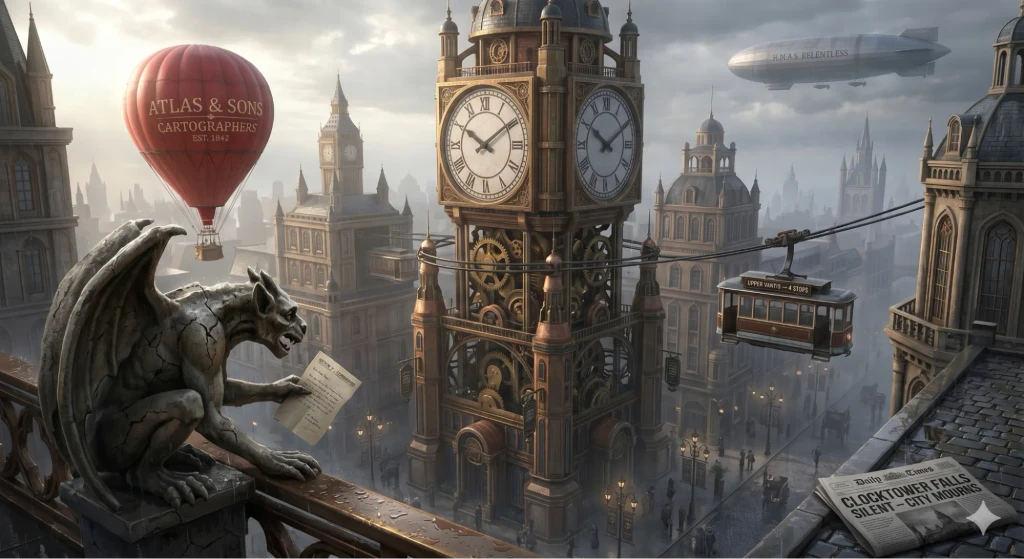
Spatial Awareness: Nano Banana 2 Nano Banana 2 had superior aerial geometry and depth separation in a steampunk scene.
Lettering Density: GPT Image 2 GPT Image 2 delivered near-perfect recall of all text elements in a complex urban scene.
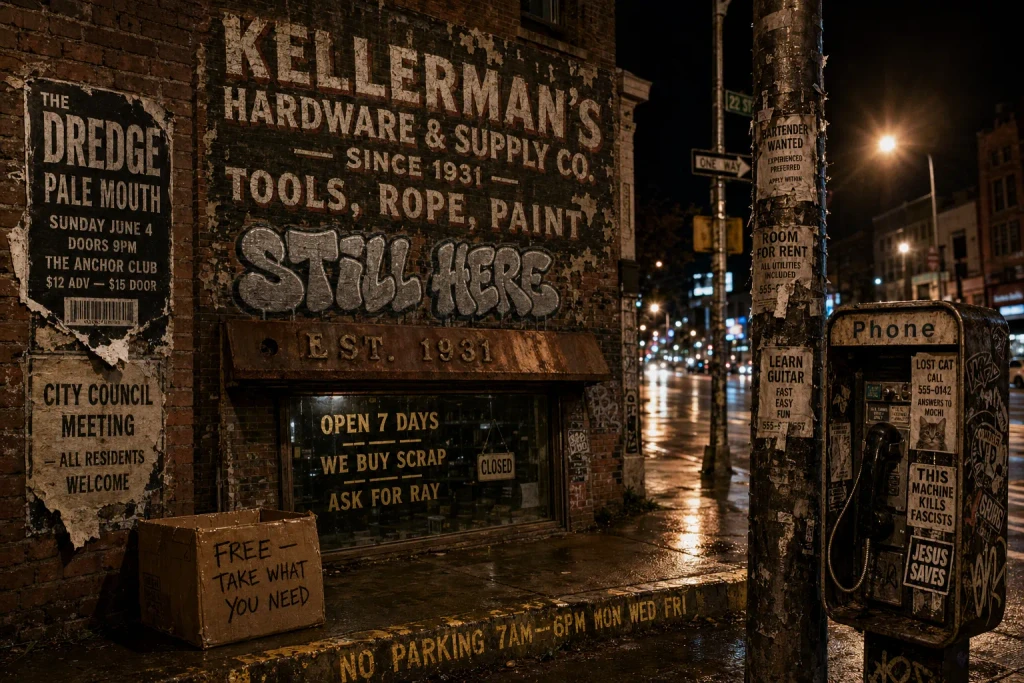
Image Editing: GPT Image 2 GPT Image 2 better preserved the original room structure and made cohesive design choices versus Nano Banana 2's chaotic mirror placement.
Verdict: GPT Image 2 wins in realism, classical art, calligraphy, image editing, and lettering density. Nano Banana 2 excels at anime, spatial composition, and information design. Both models are close in quality, with prompting strategy determining the outcome.