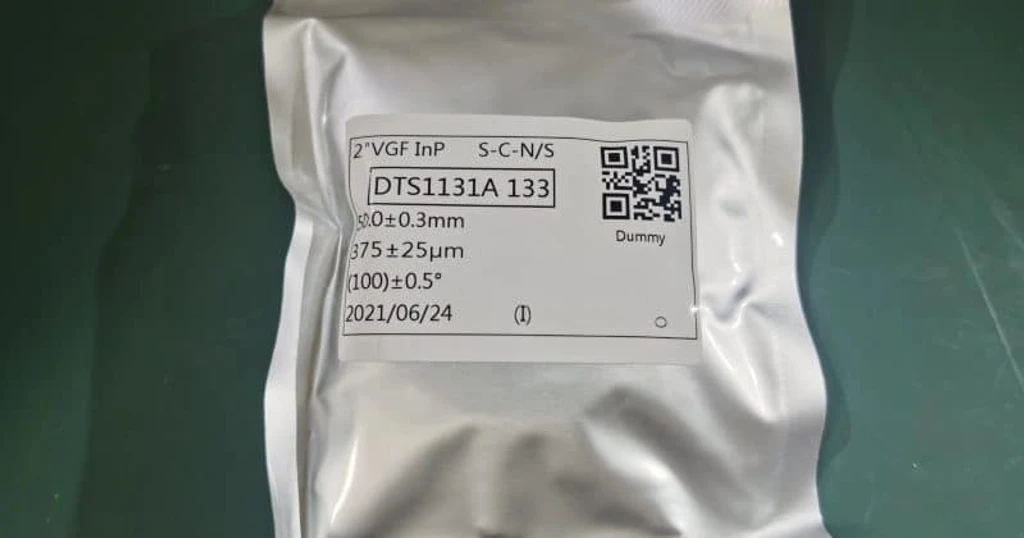
Beijing has tightened its grip on the global artificial intelligence supply chain by adding indium phosphide to its export control list. This compound is essential for the high-speed optical transceivers that power hyperscale AI data centers. The restriction, effective February 4, 2025, has created an immediate permitting bottleneck for next-generation 800G networking components.
Over sixty percent of global indium phosphide consumption supports optical communications and AI infrastructure. AXT Inc., a primary substrate producer operating through its Chinese subsidiary Tongmei, faced severe shipment delays. The company did not receive export permits until June 2025, resulting in significant revenue shortfalls that are projected to extend into 2026.
This move mirrors previous Chinese export restrictions on gallium and germanium. Without reliable access to indium phosphide, the deployment of energy-efficient AI clusters becomes slower and more expensive. US officials are currently engaging with Beijing to address these licensing issues and protect domestic infrastructure timelines.
American manufacturers are simultaneously accelerating efforts to diversify supply chains. Lumentum is shifting production outside China, while new capacity is being developed in North Carolina. However, establishing domestic crystal growth facilities requires specialized equipment and extensive qualification periods. Industry experts warn that bridging this supply gap will take years rather than quarters.