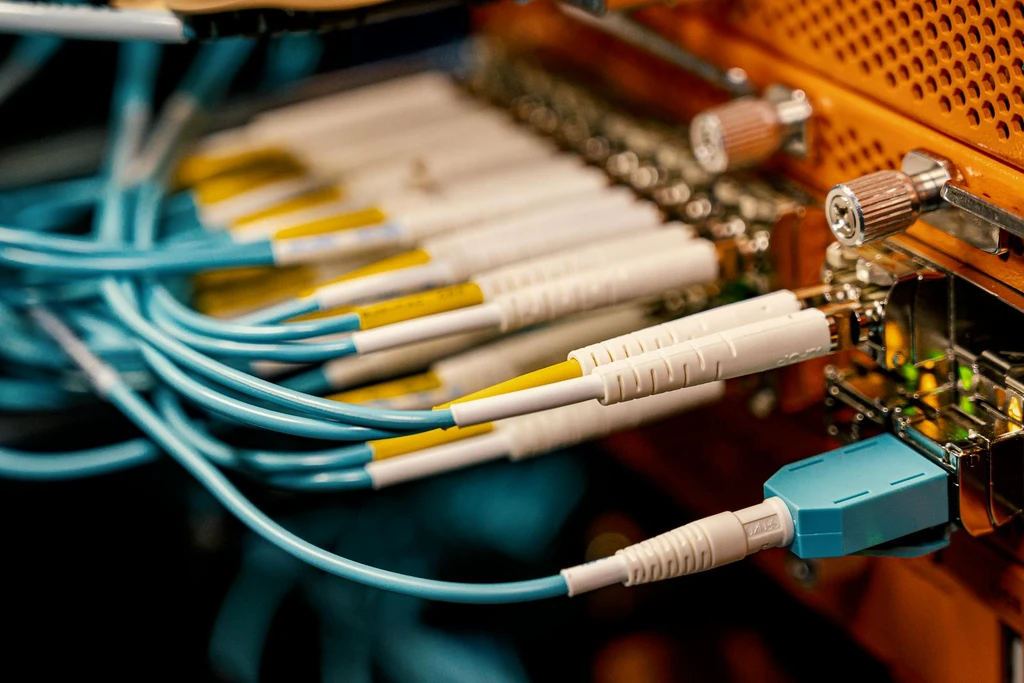
Ninety-five percent of intercontinental internet traffic travels through undersea fiber optic cables, forming the physical backbone of the global internet. An investigation tracing ownership of these cables reveals a map that mirrors the geography of colonial extraction.
Africa's connectivity, for example, primarily relies on cables landing in port cities that were colonial trading posts. Today, these cities are data transit nodes, with cable systems overwhelmingly owned or funded by US and European companies. Projects like the 2Africa cable, backed by Meta and others, encircle the continent, reflecting a drive to capture African users.
This pattern extends globally. South America's connectivity often routes through Brazil, a former Portuguese trade node. Southeast Asia's internet access is concentrated through chokepoints like Singapore, a legacy of British imperial networks.
The ownership of these critical infrastructures has shifted significantly. Historically owned by telecommunication consortia, approximately 70% of undersea bandwidth is now owned or leased by Google, Meta, Microsoft, and Amazon. These companies build private cables for their own traffic, controlling capacity, routes, and access terms.
Cable landing rights are crucial geopolitical negotiations. Countries lacking connectivity have limited leverage against major tech consortiums, mirroring 19th-century telegraph concessions. The routes of modern cables often overlay historical telegraph lines, with landing sites remaining consistent due to geological, political, and economic factors.
The notion of a borderless internet is a mythology obscuring the material reality of concentrated power. The entities controlling submarine cable infrastructure wield significant influence, determining who participates in the global digital economy and on what terms.
While some efforts push for greater regional ownership, a truly decolonized internet would require building lateral connections between Global South regions, establishing shared governance for critical infrastructure, and treating cables as public utilities rather than private assets.