
The primary constraint on artificial intelligence advancement is no longer computing power, but rather the energy required to fuel AI systems.
While early AI progress was limited by hardware capabilities, today's AI models are trained on specialized chips in massive data centers. Companies like Nvidia and AMD are producing increasingly powerful GPUs, making compute power accessible with sufficient investment.
The new frontier is electricity. Modern AI models operate continuously, powering chatbots, search tools, and image generators, leading to a substantial and constant demand for power. Experts note the issue is not a global energy deficit, but a lack of reliable, firm power capacity in the right locations and at the right times.
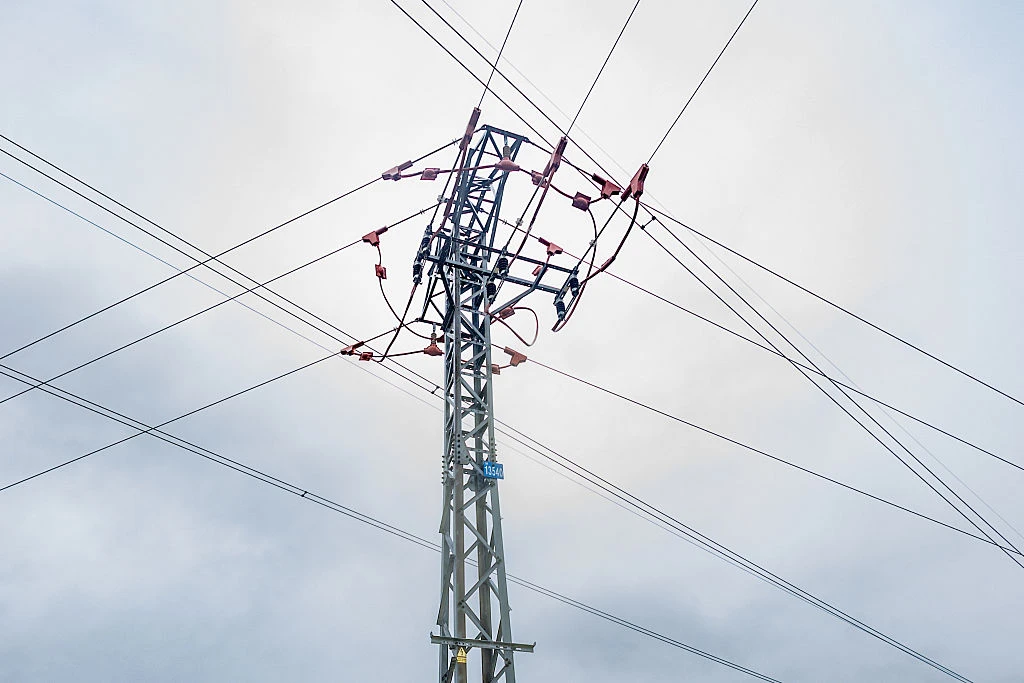
Existing power grids, designed for gradual growth, struggle to accommodate the sudden, city-sized loads of AI data centers. Rapid deployment of these facilities often outpaces grid upgrades and regulatory approvals, creating significant local bottlenecks. Clustering data centers exacerbates this, as power plants, transmission lines, and substations require years to build.
In response, the industry is pursuing multiple strategies. Companies are investing in building power generation closer to data centers, including nuclear plants and large-scale solar and storage projects. Some are exploring on-site power solutions where grid upgrades are slow. Locations are increasingly chosen based on power availability rather than proximity to users. Former cryptocurrency mining facilities, already equipped with large grid connections and cooling systems, are also being repurposed for AI workloads.
While some propose space-based data centers for constant solar energy, the logistical challenges are immense. Efficiency gains through chip advancements, model design, and system architecture are crucial for slowing demand growth. However, these efforts do not eliminate the need for increased power generation.
The energy demands of AI raise environmental concerns, as the IT sector contributes significantly to global carbon emissions. While big tech firms invest in renewables and cooling, smarter model optimization and alignment with regional renewable generation are critical. Ultimately, while energy is essential for AI development, it does not solve the fundamental challenges of achieving artificial general intelligence. Access to power will dictate where AI is developed and deployed, shifting the bottleneck from silicon to the physical infrastructure of grids, permits, and power plants.