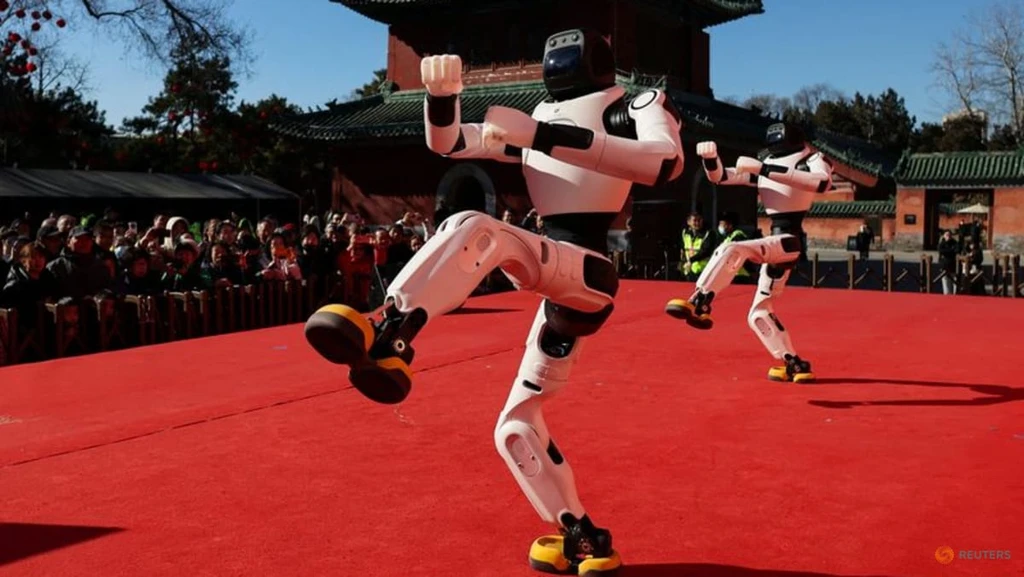
China’s humanoid robots stole the spotlight at this year’s Spring Festival Gala-performing synchronized martial arts, backflips, and choreographed routines with children. The spectacle showcased Hangzhou-based Unitree Robotics’ G1 models, reinforcing Beijing’s push for “embodied intelligence” as a national priority.
Yet industry insiders stress these machines remain far from truly autonomous. "Robots are still like teenagers-they need more time to grow," said Yolanda Xie of Unitree Robotics. Core cognition gaps persist: fetching water or cleaning a room remains out of reach for most humanoids.
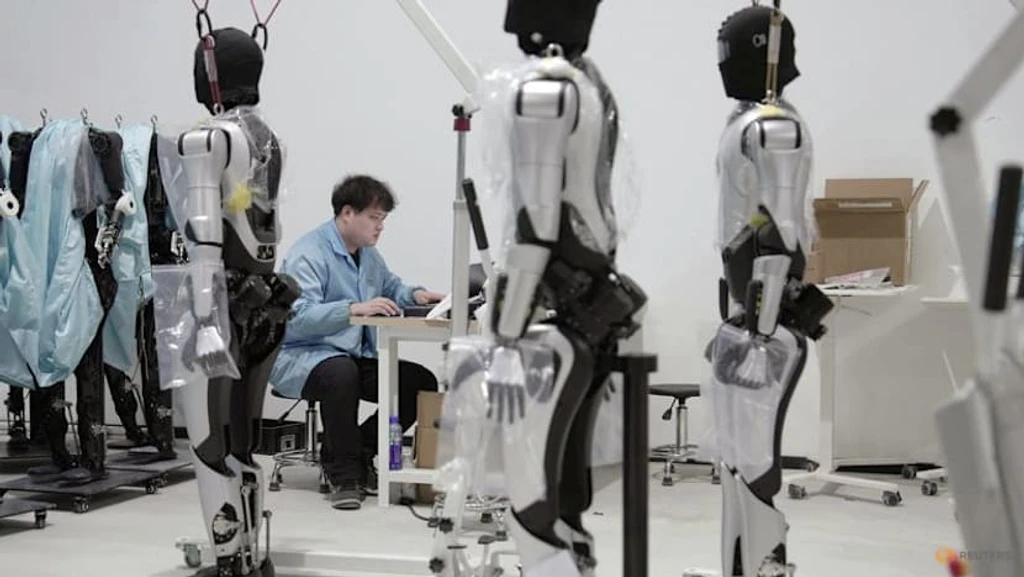
Still, industrial adoption is accelerating. Unitree sells base platforms starting at 85,000 yuan (US$12,000), leveraging China’s integrated supply chain for motors, sensors, and controllers to drive costs down. Clients build custom software for logistics, healthcare, and security applications.
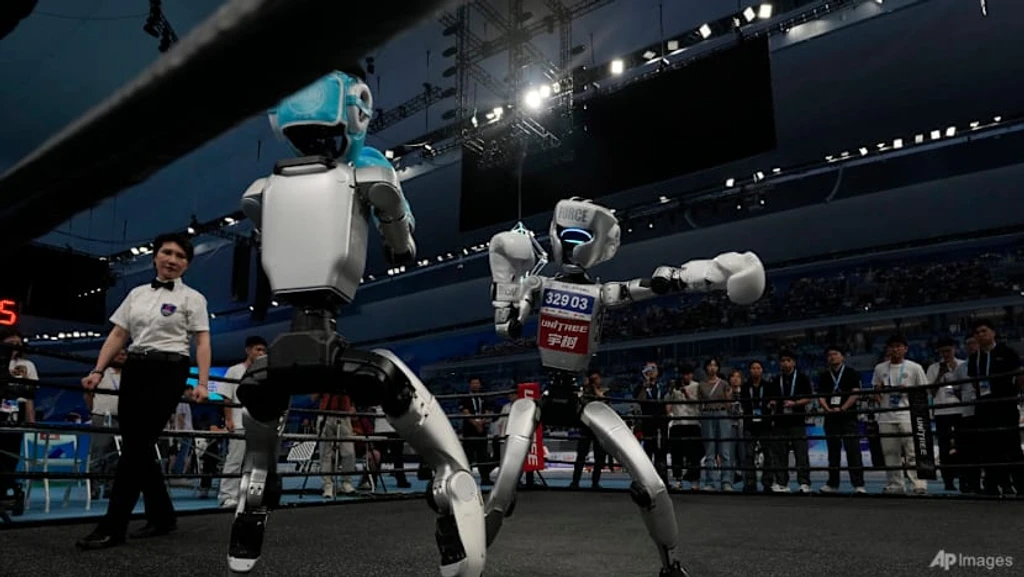
Demand is surging-Wuhan Fengke reports rental orders doubling year-over-year, with single-event bookings exceeding 30 units. But consumer-grade humanoids remain distant. Analysts cite high prices and immature AI as barriers.
Beijing targets a US$1.45 trillion AI industry by 2030 and already leads global industrial robot installations. Premier Li Qiang noted a 28% output jump last year. Yet over 6,200 domestic AI firms risk crowding the market with copycat products.
Meanwhile, everyday concerns persist. As robotics grabs headlines, rural pension hikes-just 20 yuan monthly-highlight the gap between technological ambition and economic reality for millions of Chinese citizens.