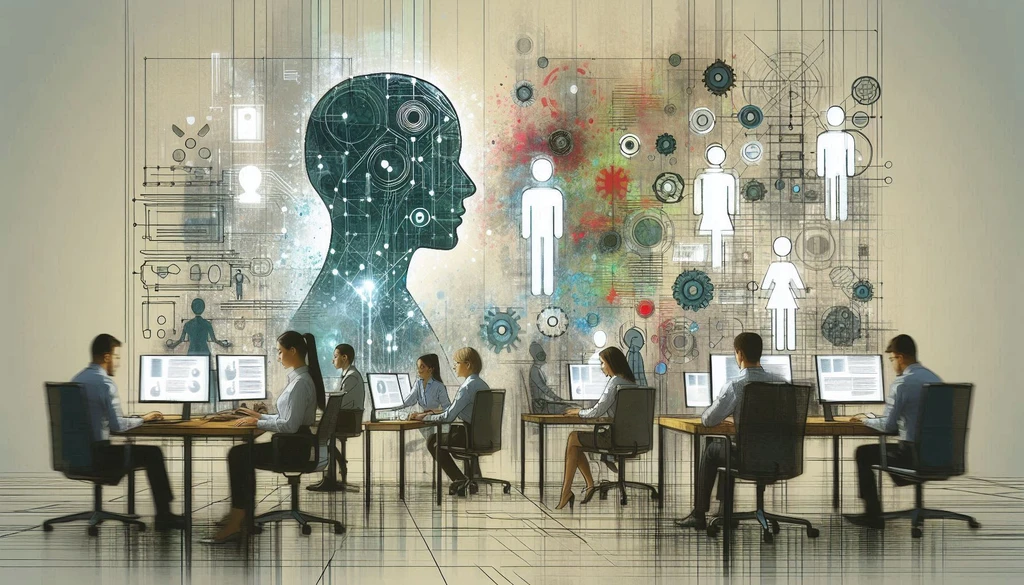
Artificial intelligence is no longer a future concept; AI agents are now embedded in our daily lives and workplaces. From summarizing inboxes to submitting expenses, these digital employees are a present-day reality.
Despite concerns about job displacement, a recent survey found 84% of employees are eager to embrace AI, though many worry about job security. The World Economic Forum emphasizes that future skills will center on creativity, problem-solving, and emotional intelligence. Adaptability and the ability to turn complexity into advantage are crucial for success.
Organizations are integrating AI for strategic collaboration and decision-making. This shift doesn't diminish the human role but elevates it, rewarding those who can apply creativity, curate AI, build trust in systems, and practice empathy and leadership. The future of work demands seamless collaboration between humans and digital employees, fostering new forms of creativity and trust.
As technology scales, organizations that cultivate environments where humans and AI work together will lead innovation. While this unlocks productivity gains, it also presents challenges in oversight, ethics, and trust. Professionals who bridge technology and business will ensure AI adoption is human-centric, ethical, and value-generative. In the age of AI automation, human creativity and trust remain the ultimate differentiators.