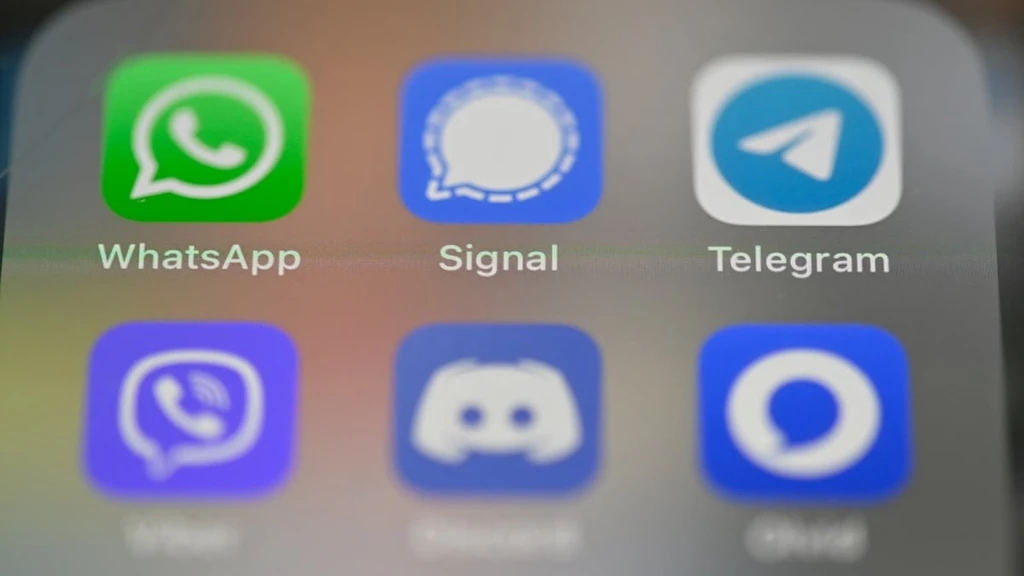
A lawsuit from the Texas Attorney General against Meta has reignited the debate over secure messaging. The core issue: not all end-to-end encryption is created equal.
End-to-end encryption, or E2EE, scrambles a message's content so only the intended recipient can read it. The service provider itself cannot decipher the data. However, this protection is limited. It does not cover crucial metadata like who is messaging whom, when, or from where.
Furthermore, implementation varies dramatically across platforms. WhatsApp enables E2EE by default for messages, but not for cloud backups, creating a security loophole. Telegram requires users to manually start a "Secret Chat" for true E2EE; its standard messages and all group chats lack this protection. Apple's iMessage is encrypted by default, but backups to iCloud can expose the encryption key unless Advanced Data Protection is enabled.
Signal stands out for offering the strongest default encryption, covering messages, group chats, and minimizing metadata. Yet, its greatest strength is also a limitation: it requires both parties to use the app.
No encryption can protect a device compromised by spyware like Pegasus, which can read messages directly off a screen. To enhance security, experts recommend enabling encrypted backups and using disappearing messages. For the most sensitive communications, Signal remains the recommended choice, despite its smaller user base.