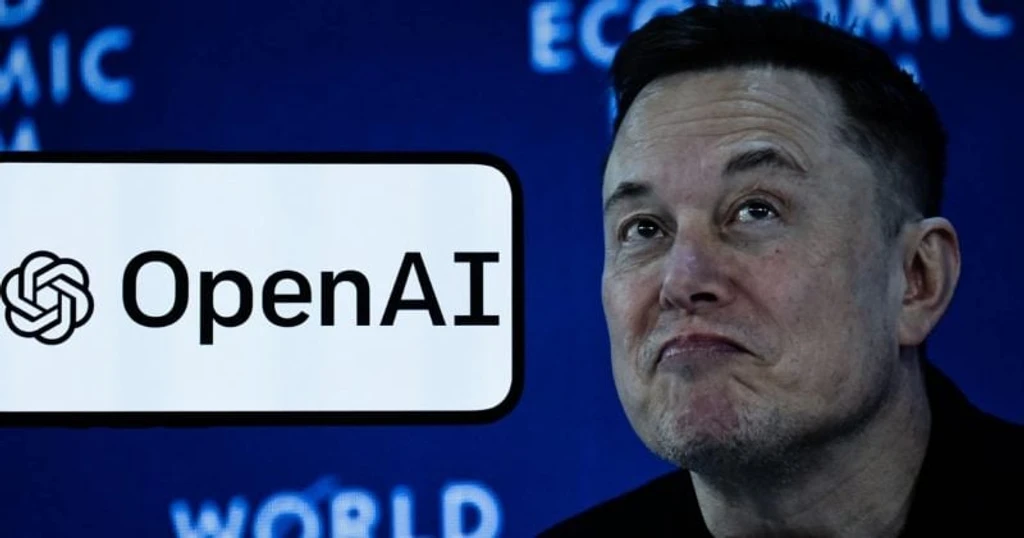
Elon Musk's high-profile legal battle against OpenAI and CEO Sam Altman ended not with a dramatic courtroom reckoning, but with a procedural technicality. A jury found that Musk filed his lawsuit too late, effectively running out the clock on his own claims before they could be heard on the merits.
The verdict, delivered on May 18, 2026, in the US District Court for the Northern District of California, handed OpenAI a complete victory. The jury concluded that Musk knew about the facts underlying his complaint by at least 2021 but didn't file until February 2024. That three-year gap proved fatal to his case.
What Musk was actually arguing
The lawsuit was rooted in Musk's contention that OpenAI had abandoned its original founding mission. He was among the early backers of the AI research lab, which launched in 2015 as a nonprofit with the stated goal of developing artificial intelligence safely and making it broadly available to the public.
Musk's complaint alleged fraud and unjust enrichment, essentially arguing that Altman and other OpenAI executives had steered the organization away from its open, nonprofit roots toward a profit-driven model. The pivot in question was OpenAI's creation of a capped-profit subsidiary and its deepening commercial partnership with Microsoft.
The statute of limitations problem
The jury determined that Musk was aware of the relevant facts, specifically OpenAI's shift toward a for-profit structure, by at least 2021. Filing in February 2024 put him well outside the statute of limitations window.
This matters because the jury never actually weighed in on whether Musk's underlying allegations had merit. The entire case was resolved on timing grounds alone.
What this means for OpenAI
The verdict removes a meaningful legal cloud that had been hanging over OpenAI during a critical period of its growth. Any adverse ruling could have created complications for its corporate structure and its relationship with Microsoft. With that threat neutralized, OpenAI's path to further fundraising, potential IPO considerations, and expanded partnerships just got cleaner.